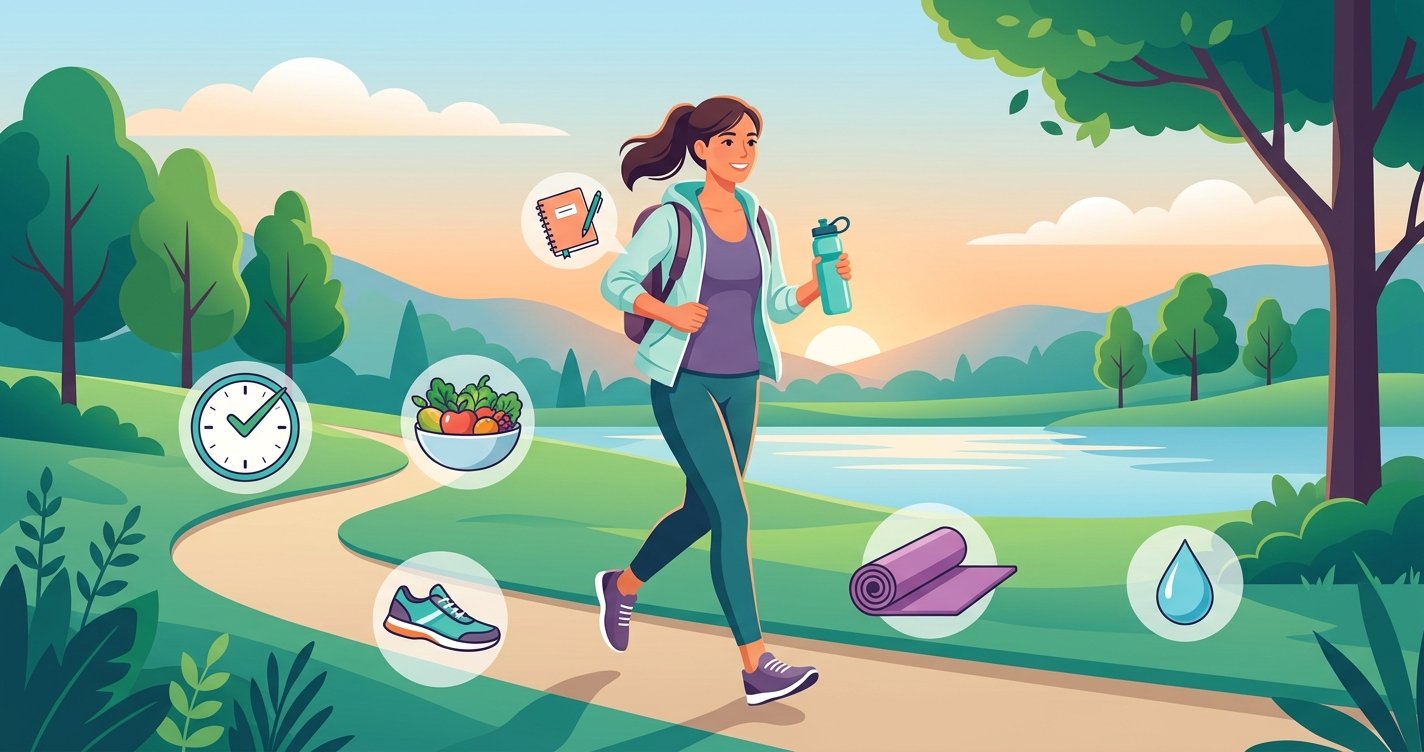
Sustainable Fat Loss: Ditch the Diets, Build Lasting Habits for a Healthier You
Are you tired of the endless cycle of restrictive diets, rapid weight loss, and then, inevitably, gaining it all back – sometimes with a little extra? You’re not alone. The world of fat loss is often dominated by quick fixes and extreme measures that promise miraculous results but rarely deliver sustainable change. What if there was a better way? A path that focuses not on deprivation, but on building healthy habits that last a lifetime, leading to genuine, sustainable fat loss and a healthier, happier you?
This isn't about the latest fad diet or a grueling 30-day challenge. It's about understanding your body, making informed choices, and fostering a lifestyle that supports your goals without sacrificing your joy. Let's dive into the evidence-based strategies that will empower you to achieve sustainable fat loss and maintain it, for good. this excellent wellness product
Why Quick Fixes Fail (and What to Do Instead)
The allure of rapid results is powerful. Crash diets, detoxes, and extreme calorie restriction might show a number dropping on the scale initially, but they come at a significant cost. These methods often lead to:
- Muscle Loss: When you drastically cut calories, your body often breaks down muscle tissue for energy, not just fat. Muscle is metabolically active, meaning it burns more calories at rest. Losing it slows your metabolism, making long-term fat loss harder.
- Nutrient Deficiencies: Restrictive diets often cut out entire food groups, leading to a lack of essential vitamins and minerals crucial for overall health and metabolic function.
- Hormonal Imbalances: Chronic stress from extreme dieting can elevate cortisol levels, potentially leading to increased fat storage, especially around the belly. It can also disrupt hunger-satiety hormones like leptin and ghrelin.
- Rebound Weight Gain: Your body is designed for survival. When starved, it adapts by slowing metabolism. Once you return to normal eating, your body is primed to store fat more efficiently, leading to the dreaded yo-yo effect.
- Unhealthy Relationship with Food: Restrictive eating often fosters guilt, shame, and an obsession with food, making it a source of anxiety rather than nourishment and enjoyment.
The solution? Shift your focus from temporary fixes to permanent, positive habits. This means gradual, consistent changes that you can realistically maintain.
The Cornerstone of Sustainable Fat Loss: Calorie Awareness, Not Deprivation
At its core, fat loss boils down to one fundamental principle: consuming fewer calories than your body expends. This is known as a calorie deficit. However, 'calorie deficit' doesn't have to mean 'starvation' or 'deprivation'.
Instead of drastically cutting, aim for a moderate deficit (typically 300-500 calories below your maintenance level). This allows for steady fat loss (around 1-2 pounds per week) without triggering extreme survival responses from your body or sacrificing muscle mass. Focus on:
- Understanding Your Needs: Use online calculators (like TDEE calculators) as a starting point to estimate your daily calorie expenditure, then adjust based on your activity levels and progress.
- Prioritizing Nutrient Density: Choose whole, unprocessed foods that are rich in nutrients but relatively lower in calories. Think lean proteins, fruits, vegetables, and whole grains. These foods provide satiety and essential nutrients without excessive calories.
- Mindful Portion Control: You don't always need to meticulously count every calorie, but becoming aware of appropriate portion sizes for different foods can be incredibly empowering.
The goal is to create a sustainable deficit that leaves you feeling satisfied and energized, not hungry and deprived.
Fueling Your Body Right: Macro & Micronutrients for Success
What you eat is just as important as how much you eat. Optimizing your macronutrient (protein, carbohydrates, fats) and micronutrient (vitamins, minerals) intake is crucial for fat loss, energy levels, and overall health.
Protein: Your Satiety & Muscle Ally
Protein is king for fat loss. It’s highly satiating, meaning it keeps you feeling full for longer, reducing the likelihood of overeating. It also has a higher thermic effect of food (TEF) than carbs or fats, meaning your body burns more calories digesting it. Most importantly, adequate protein intake is vital for preserving muscle mass during a calorie deficit.
- Sources: Lean meats, poultry, fish, eggs, dairy, legumes, tofu, tempeh, protein powder.
- Recommendation: Aim for 0.7-1 gram of protein per pound of body weight (or target body weight) daily, spread across your meals.
Healthy Fats: Essential for Hormones and Satiety
Fats are not the enemy! Healthy fats are essential for hormone production, nutrient absorption, and provide a sense of satiety. However, they are calorie-dense, so portion control is key.
- Sources: Avocados, nuts, seeds, olive oil, fatty fish (salmon, mackerel).
- Recommendation: Aim for 20-30% of your daily calories from healthy fats.
Complex Carbohydrates: Sustainable Energy
Carbohydrates provide your body with its primary source of energy. Choose complex carbohydrates over refined sugars, as they offer sustained energy, fiber, and essential nutrients without causing sharp blood sugar spikes and crashes.
- Sources: Whole grains (oats, brown rice, quinoa), fruits, vegetables, legumes.
- Recommendation: Adjust carb intake based on your activity level, but generally aim for 30-50% of daily calories, prioritizing whole, fiber-rich options.
Micronutrients: The Unsung Heroes
Don't forget vitamins and minerals! They play critical roles in metabolism, energy production, and overall bodily functions. A diet rich in fruits, vegetables, and whole foods will naturally provide a wide array of micronutrients.
Move Your Body, Love Your Body: The Role of Exercise
While nutrition is paramount for fat loss, exercise plays a critical supporting role. It helps create a calorie deficit, preserves and builds muscle, improves metabolic health, and boosts mood.
Strength Training: Build Muscle, Boost Metabolism
This is non-negotiable for sustainable fat loss. Strength training helps to:
- Preserve Muscle: Crucial when in a calorie deficit to ensure you lose fat, not muscle.
- Boost Metabolism: More muscle mass means a higher resting metabolic rate, burning more calories even at rest.
- Improve Body Composition: Changes your shape, making you look leaner and more toned.
Aim for 2-4 sessions of full-body strength training per week, focusing on compound movements (squats, deadlifts, presses, rows).
Cardio: Heart Health and Calorie Burn
Cardiovascular exercise is excellent for heart health, improves endurance, and contributes to your calorie deficit.
- Moderate Intensity: Brisk walking, cycling, swimming – great for daily activity and recovery.
- High Intensity Interval Training (HIIT): Shorter bursts of intense effort followed by brief recovery periods can be very effective for calorie burn and improving fitness.
Find activities you genuinely enjoy, whether it’s hiking, dancing, or playing a sport. Consistency trumps intensity.
NEAT: The Unsung Calorie Burner
Non-Exercise Activity Thermogenesis (NEAT) refers to the calories burned from all activities that are not sleeping, eating, or structured exercise. This includes walking to work, fidgeting, taking the stairs, gardening, or cleaning. Increasing your NEAT throughout the day can significantly contribute to your overall calorie expenditure.
Beyond Food and Exercise: The Holistic Approach
Sustainable fat loss isn't just about what you eat and how much you move; it's about nurturing your entire well-being. These often-overlooked factors play a massive role in your success.
Prioritize Sleep
Lack of sleep messes with your hormones. It increases ghrelin (the hunger hormone) and decreases leptin (the satiety hormone), making you feel hungrier and less satisfied. It also elevates cortisol, which can encourage fat storage, especially around the midsection. Aim for 7-9 hours of quality sleep per night.
Manage Stress
Chronic stress triggers the release of cortisol, which, as mentioned, can promote fat storage and increase cravings for high-calorie comfort foods. Find healthy ways to manage stress, such as meditation, yoga, spending time in nature, or engaging in hobbies you love.
Stay Hydrated
Water is essential for countless bodily functions, including metabolism. Drinking enough water can also help you feel fuller, reduce cravings, and improve exercise performance. Often, thirst is mistaken for hunger, so try drinking a glass of water before reaching for a snack.
Practice Mindful Eating
Slow down, savor your food, and pay attention to your body's hunger and fullness cues. Eating mindfully can help you recognize when you're truly hungry versus eating out of boredom, stress, or habit. It helps you enjoy your food more and naturally eat less.
The Power of Patience and Consistency
Sustainable fat loss is a marathon, not a sprint. There will be plateaus, setbacks, and moments of frustration. The key is to not give up. Instead:
- Embrace Small, Consistent Changes: Don't try to overhaul everything at once. Pick one or two habits to focus on for a few weeks, master them, and then add another.
- Track Progress Beyond the Scale: While the scale is one metric, also pay attention to how your clothes fit, your energy levels, strength gains, improved sleep, and overall mood. These 'non-scale victories' are incredibly motivating.
- Learn from Setbacks: A 'bad' meal or a missed workout isn't a failure; it's an opportunity to learn and get back on track. Don't let one slip-up derail your entire journey.
- Celebrate Milestones: Acknowledge your hard work and progress. This positive reinforcement keeps you motivated.
Building Your Personalized Sustainable Plan
There's no one-size-fits-all approach to sustainable fat loss. What works for one person might not work for another. The best plan is one that you can stick to consistently, that fits your lifestyle, preferences, and body's needs.
- Experiment: Try different types of exercise, various meal timings, and food choices to see what makes you feel best and aligns with your goals.
- Seek Support: Share your journey with a supportive friend or family member. Consider working with a registered dietitian or certified personal trainer for personalized guidance and accountability.
- Focus on Enjoyment: Choose foods you genuinely like and physical activities you find pleasurable. This makes the process sustainable and enjoyable, rather than a chore.
Ultimately, sustainable fat loss is about building a healthier relationship with food, movement, and your own body. It’s about cultivating habits that nourish you, empower you, and lead to a vibrant, energetic life where you feel confident and strong, not just for a season, but for a lifetime.
Ditch the diets, embrace the journey, and commit to building the lasting habits that will transform your health and help you achieve the sustainable fat loss you deserve.