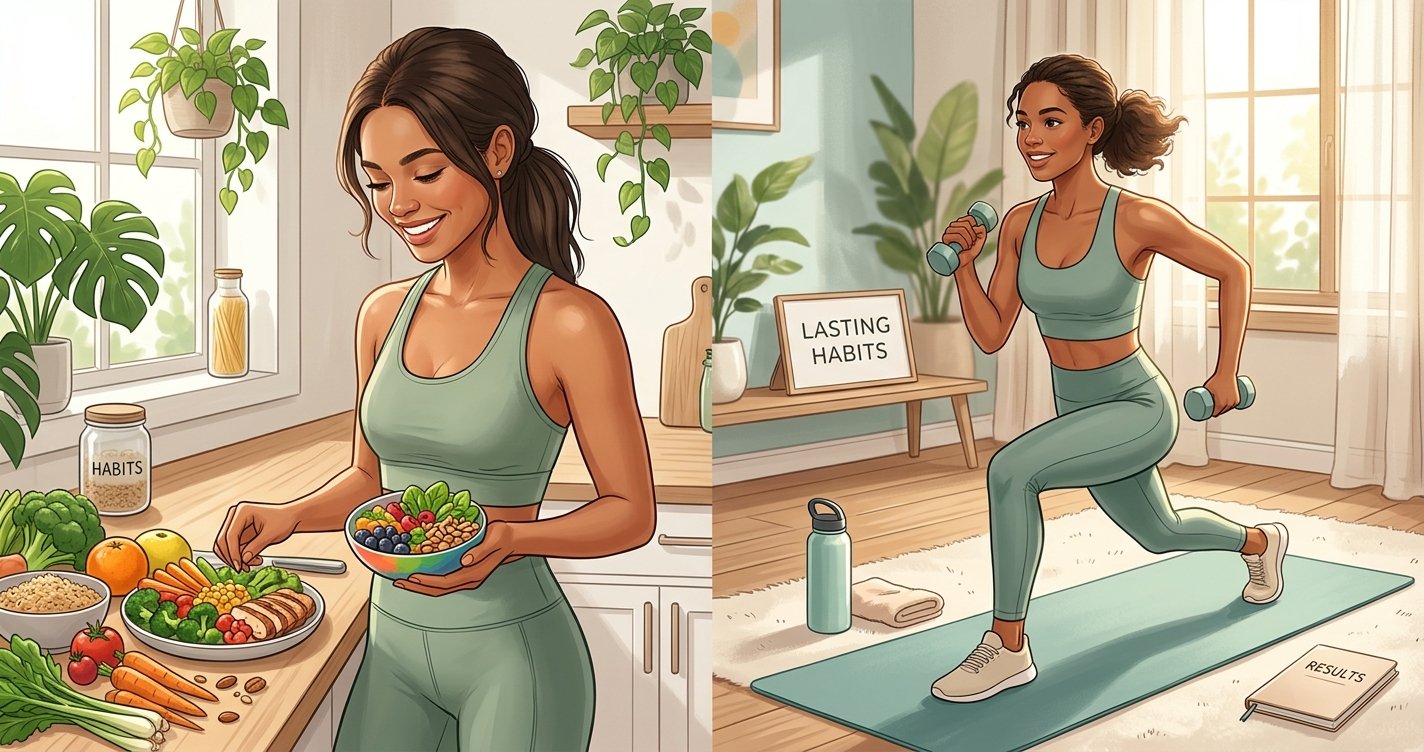
Are you tired of the endless cycle of crash diets, quick fixes, and the frustration of seeing the scale yo-yo? You’re not alone. Many people embark on a fat loss journey with high hopes, only to be met with disappointment when unsustainable methods inevitably lead them back to square one. But what if there was a better way? A path that not only helps you shed unwanted fat but also empowers you to keep it off for good, fostering a healthier, happier you?
Welcome to the world of sustainable fat loss. This isn't about deprivation or extreme measures; it's about understanding your body, building positive habits, and making lifestyle changes that you can truly stick with. Forget the fads and the fleeting trends. It’s time to embrace an evidence-based approach that prioritizes your long-term well-being. this excellent wellness product
Why Crash Diets Fail (And What Works Instead)
The allure of rapid results is powerful, which is why crash diets continue to captivate. However, the science is clear: extreme calorie restriction, restrictive food lists, and intense, short-term programs rarely lead to lasting fat loss. Why? Because they often trigger metabolic adaptations, deplete essential nutrients, and are psychologically draining, leading to rebound weight gain once the diet ends.
Here’s the truth: sustainable fat loss hinges on creating a consistent, moderate calorie deficit over time. This means consuming slightly fewer calories than your body burns, allowing your body to tap into its fat stores for energy. But it’s not just about the numbers; it’s about *how* you achieve that deficit. Focus on nutrient-dense foods that keep you feeling full and energized, rather than relying on deprivation that leaves you hungry and irritable. This approach helps preserve muscle mass, which is crucial for a healthy metabolism, and supports overall well-being.
Nutrition for Sustainable Fat Loss: Fueling Your Body Smartly
When it comes to fat loss, nutrition is arguably the most critical component. But 'nutrition' doesn't mean bland, boring meals. It means smart choices that nourish your body while supporting your goals.
- Prioritize Protein: Protein is a superstar for fat loss. It’s highly satiating, meaning it keeps you feeling full for longer, reducing the urge to snack. It also has a higher thermic effect (your body burns more calories digesting it) and helps preserve lean muscle mass during a calorie deficit. Include lean protein sources like chicken breast, fish, eggs, Greek yogurt, lentils, and tofu in every meal.
- Embrace Fiber-Rich Foods: Found in fruits, vegetables, whole grains, and legumes, fiber adds bulk to your meals without adding many calories. It aids digestion, helps regulate blood sugar, and contributes significantly to satiety. Fill half your plate with colorful veggies!
- Choose Healthy Fats: Don't fear fats! Healthy fats (from avocados, nuts, seeds, olive oil, fatty fish) are essential for hormone production, nutrient absorption, and satiety. Just remember they are calorie-dense, so portion control is key.
- Hydrate, Hydrate, Hydrate: Water is often overlooked, but it plays a vital role in metabolism, satiety, and overall health. Sometimes, what feels like hunger is actually thirst. Aim for at least 8 glasses a day, and consider drinking a glass before meals.
- Mindful Eating: Pay attention to your body's hunger and fullness cues. Eat slowly, savor your food, and avoid distractions. This helps prevent overeating and enhances your enjoyment of meals.
Instead of eliminating entire food groups, focus on adding more whole, unprocessed foods to your diet. Small, consistent changes here yield significant, lasting results.
Movement That Matters: Exercise for Health & Fat Loss
While nutrition is paramount, exercise is your powerful ally in the fat loss journey. It not only burns calories but also builds muscle, improves mood, and enhances overall health.
- Strength Training is Non-Negotiable: Building and maintaining muscle mass is critical for fat loss. Muscle is more metabolically active than fat, meaning it burns more calories at rest. Incorporate 2-4 strength training sessions per week, focusing on compound movements (squats, deadlifts, presses, rows) that work multiple muscle groups. You don't need a gym; bodyweight exercises are incredibly effective!
- Cardiovascular Exercise for Heart Health & Calorie Burn: Activities like brisk walking, jogging, cycling, swimming, or dancing elevate your heart rate, improve cardiovascular health, and contribute to your calorie deficit. Aim for at least 150 minutes of moderate-intensity cardio or 75 minutes of vigorous-intensity cardio per week, spread throughout your days.
- Find Movement You Enjoy: The best exercise is the one you’ll stick with. Whether it's hiking, dancing, playing sports, or gardening, find activities that bring you joy. Consistency trumps intensity every time.
- Increase NEAT (Non-Exercise Activity Thermogenesis): This includes all the calories you burn outside of structured exercise – walking more, taking the stairs, fidgeting, standing instead of sitting. Small increases in daily movement can add up significantly over time.
The Unsung Heroes: Sleep, Stress, and Hydration
You can eat perfectly and exercise diligently, but if you neglect these crucial elements, your fat loss efforts will be an uphill battle.
- Prioritize Sleep: Lack of sleep wreaks havoc on your hormones. It increases ghrelin (the hunger hormone) and decreases leptin (the satiety hormone), making you feel hungrier and less satisfied. It also elevates cortisol, a stress hormone linked to increased belly fat storage. Aim for 7-9 hours of quality sleep per night. Establish a consistent sleep schedule and create a relaxing bedtime routine.
- Manage Stress Effectively: Chronic stress, like sleep deprivation, can lead to elevated cortisol levels, which can promote fat storage, particularly around the midsection. Find healthy ways to manage stress: meditation, yoga, spending time in nature, journaling, or connecting with loved ones.
- Stay Hydrated: We mentioned it in nutrition, but it bears repeating. Water is crucial for metabolic processes, helps transport nutrients, and can curb false hunger signals. Keep a water bottle handy and sip throughout the day.
Mindset & Consistency: The Glue That Holds It All Together
Sustainable fat loss isn't just a physical journey; it's a mental one. Your mindset and your ability to be consistent are what truly determine long-term success.
- Adopt a Growth Mindset: See challenges as opportunities to learn and grow, rather than failures. Understand that setbacks are a normal part of any journey.
- Set Realistic Goals: Aim for slow, steady progress (e.g., 1-2 pounds of fat loss per week). This rate is more sustainable and less likely to lead to muscle loss. Celebrate small victories along the way.
- Track Progress Beyond the Scale: The scale doesn't tell the whole story. Take measurements, progress photos, notice how your clothes fit, and observe improvements in energy levels, strength, and mood. These non-scale victories are incredibly motivating.
- Practice Self-Compassion: Don’t beat yourself up over an imperfect day or a missed workout. Forgive yourself, learn from it, and get back on track. Perfection is the enemy of progress.
- Build Habits, Not Just Goals: Focus on the daily actions that will get you to your goal. Instead of 'lose 20 pounds,' think 'prepare healthy meals on Sundays' or 'walk 30 minutes every morning.' These small, consistent habits accumulate into massive results over time.
Putting It All Together: Your Action Plan for Lasting Change
Ready to embark on your sustainable fat loss journey? Here’s how to start:
- Start Small: Don’t try to overhaul everything at once. Pick one or two areas to focus on first (e.g., adding protein to breakfast, taking a 20-minute walk daily).
- Educate Yourself: Learn about portion sizes, nutrient density, and how different foods affect your body.
- Plan Ahead: Meal prepping, scheduling workouts, and planning for adequate sleep can dramatically increase your consistency.
- Seek Support: Share your goals with a trusted friend, family member, or consider working with a coach. Accountability can be a powerful motivator.
- Be Patient and Persistent: Sustainable change takes time. There will be good days and challenging days. Stay committed to your habits, and trust the process.
Remember, this isn’t about striving for a perfect body in an unrealistic timeframe. It’s about cultivating a healthier relationship with food, embracing enjoyable movement, and prioritizing your overall well-being. By focusing on building lasting habits, you’re not just losing fat; you’re gaining a healthier, more energetic, and more confident life. Start your journey today – one sustainable habit at a time!