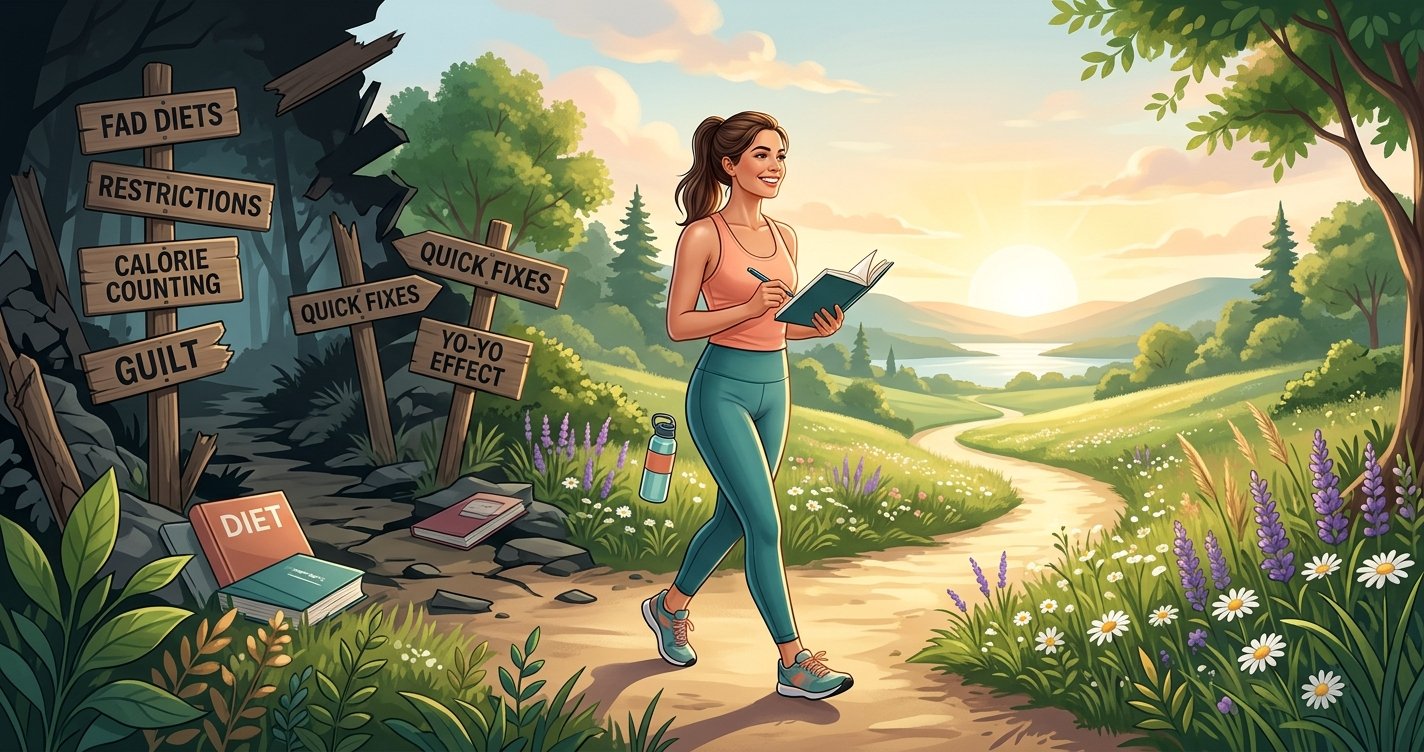
Tired of the Diet Rollercoaster? Discover True Sustainable Fat Loss!
Have you ever started a diet with soaring motivation, only to find yourself back where you began (or even heavier) a few months later? You're not alone. Millions embark on strict diets each year, only to be met with the frustrating cycle of restriction, deprivation, and eventual rebound. It’s disheartening, demotivating, and frankly, unnecessary. What if we told you there’s a better way? A path to sustainable fat loss that doesn’t involve counting every morsel, eliminating entire food groups, or feeling constantly hungry.
This isn't about quick fixes or magic pills. It's about understanding your body, building empowering habits, and fostering a healthy relationship with food and movement for the long haul. We're diving deep into an evidence-based approach that prioritizes your well-being, metabolic health, and lasting results over temporary drops on the scale. Get ready to ditch the diet mentality and embrace a lifestyle that truly supports sustainable fat loss. this excellent wellness product
Why Traditional Diets Often Fail (And What to Do Instead)
The diet industry often sells a dream of rapid weight loss, but it rarely delivers on long-term sustainability. The problem isn't usually a lack of willpower; it's the approach itself.
The Cycle of Restriction and Regain
When you drastically cut calories or eliminate favorite foods, your body's survival mechanisms kick in. Your metabolism can slow down, and hunger hormones (like ghrelin) can increase, making cravings harder to resist. This often leads to overeating, guilt, and eventually, regaining the lost weight – sometimes even more. This yo-yo dieting can also negatively impact your metabolism over time, making future fat loss even more challenging.
Shifting Your Mindset: Beyond "Good" and "Bad" Foods
One of the most powerful steps you can take is to let go of the rigid "good" vs. "bad" food labels. This black-and-white thinking fosters guilt and shame, which are counterproductive to sustainable change. Instead, think about nourishing foods that fuel your body and occasional treats that bring you joy. Every food can fit into a balanced lifestyle. The goal isn't perfection, but consistency and progress.
The Pillars of Sustainable Fat Loss: Beyond the Calorie Count
While energy balance (calories in vs. calories out) is fundamental to fat loss, focusing solely on it often misses the bigger picture. It's about how you achieve that balance and the quality of your intake.
Prioritizing Protein and Fiber: Satiety's Best Friends
Protein and fiber are incredibly powerful allies in your fat loss journey. Here's why:
- Protein: It's highly satiating, meaning it keeps you feeling fuller for longer, reducing overall calorie intake. It also has a higher thermic effect of food (TEF), meaning your body burns more calories digesting protein compared to fats or carbs. Plus, it's crucial for preserving muscle mass during fat loss, which helps keep your metabolism humming.
- Fiber: Found in fruits, vegetables, whole grains, and legumes, fiber adds bulk to your meals without adding many calories. It aids digestion, helps regulate blood sugar, and also contributes significantly to satiety.
Aim to include a good source of lean protein and plenty of fiber-rich foods at every meal.
Understanding Energy Balance, Not Just Calorie Counting
Instead of obsessively counting calories, focus on making informed food choices that naturally support a slight calorie deficit. This means:
- Portion Awareness: Learning what a healthy portion looks like for different foods.
- Nutrient Density: Choosing foods that provide a lot of nutrients for their caloric value (e.g., a handful of berries instead of a handful of candy).
- Mindful Eating: Paying attention to your hunger and fullness cues, eating slowly, and savoring your meals.
This approach helps you intuitively manage your energy intake without the stress of constant tracking.
The Power of Progressive Resistance Training
Often overlooked in fat loss conversations, strength training is a game-changer. Building and maintaining muscle mass is vital because muscle tissue is more metabolically active than fat tissue. This means the more muscle you have, the more calories your body burns at rest. Resistance training also:
- Shapes your body, giving you a more toned physique.
- Improves bone density and overall strength.
- Boosts confidence and mental well-being.
Aim for 2-4 sessions of resistance training per week, focusing on compound movements that work multiple muscle groups.
Beyond the Plate: Lifestyle Factors That Matter
Fat loss isn't just about what you eat; it's a holistic process influenced by your entire lifestyle.
Sleep: The Unsung Hero of Metabolism
In our busy lives, sleep is often the first thing to be sacrificed, but it's detrimental to fat loss. Chronic sleep deprivation can:
- Increase levels of ghrelin (the hunger hormone) and decrease leptin (the satiety hormone), making you feel hungrier and less satisfied.
- Impair insulin sensitivity, making your body less efficient at processing glucose.
- Increase cortisol levels, which can promote fat storage, particularly around the midsection.
Prioritize 7-9 hours of quality sleep per night. It’s one of the most effective, yet often free, fat loss tools you have.
Stress Management: Taming Cortisol's Impact
Like lack of sleep, chronic stress elevates cortisol levels. While cortisol is essential for fight-or-flight responses, sustained high levels can lead to increased appetite, cravings for sugary and fatty foods, and a tendency to store fat, especially in the abdominal area. Finding healthy ways to manage stress – whether through meditation, yoga, spending time in nature, or hobbies – is crucial for both your mental health and your physique.
Hydration: Simple Yet Profound
Don't underestimate the power of water. Staying well-hydrated supports metabolism, aids in nutrient transport, and can even help manage appetite (sometimes thirst is mistaken for hunger). Aim to drink plenty of water throughout the day, and consider having a glass before meals.
Building Habits That Last: Small Changes, Big Results
The secret to sustainable fat loss lies in consistency, not intensity. Small, repeatable actions accumulate into significant transformations over time.
Starting Small and Being Consistent
Instead of overhauling your entire life overnight, pick one or two small habits to focus on. Maybe it's adding a serving of vegetables to dinner, walking for 15 minutes daily, or ensuring you get 7 hours of sleep. Once that habit feels effortless, add another. This gradual approach is far more sustainable than trying to do everything at once.
Listening to Your Body: Hunger and Fullness Cues
One of the cornerstones of a non-diet approach is reconnecting with your body's innate wisdom. Eat when you're truly hungry (not just bored or stressed) and stop when you're comfortably full (not stuffed). This practice, often called intuitive eating, helps you regulate your intake naturally and build trust with your body.
Embracing Patience and Progress, Not Perfection
Sustainable fat loss is a journey, not a destination. There will be ups and downs, plateaus, and moments where you feel like giving up. This is normal.
The Non-Linear Journey
Your body's response to changes isn't always linear. The scale might not move every week, or you might even see slight fluctuations. Focus on the overall trend and how your clothes fit, your energy levels, and your strength are improving. These are often better indicators of progress than a single number on the scale.
Celebrating Non-Scale Victories
Shift your focus from purely the number on the scale to the myriad of other positive changes happening. Are you sleeping better? Do you have more energy? Are your clothes fitting more comfortably? Can you lift heavier? These "non-scale victories" are powerful motivators and true indicators of improved health and body composition.
Your Journey to Lasting Fat Loss Starts Now
You have the power to step off the diet rollercoaster and build a foundation for sustainable fat loss and lifelong well-being. It's about nourishing your body, challenging your muscles, honoring your sleep, managing stress, and building consistent, positive habits. This isn't just about changing your body; it's about transforming your relationship with food, exercise, and yourself. Be patient, be persistent, and most importantly, be kind to yourself. Your sustainable, healthier self is waiting.