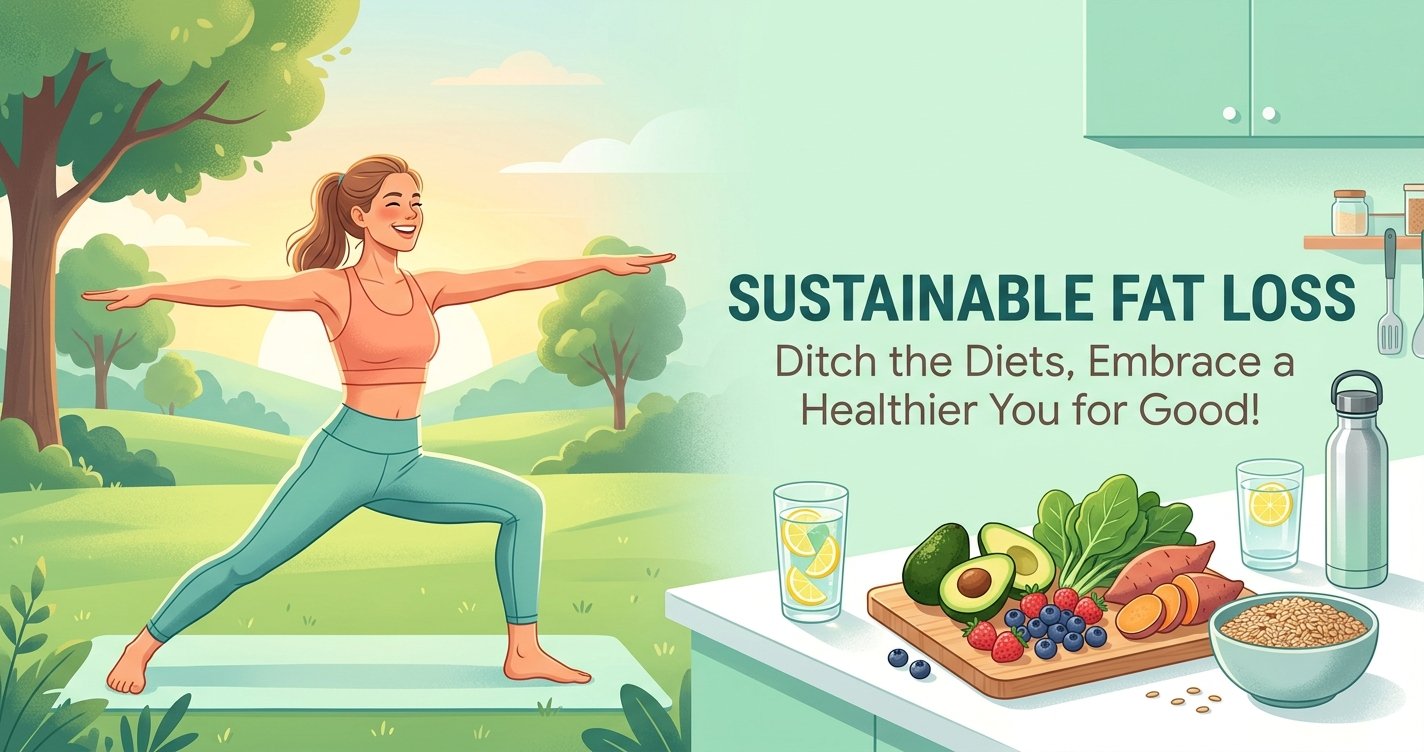
Tired of the Yo-Yo? Discover Sustainable Fat Loss That Lasts!
Have you ever started a diet with high hopes, only to find yourself back where you began (or even heavier) a few months later? You're not alone. The world of fat loss is often dominated by quick fixes, extreme restrictions, and promises of rapid results. While these approaches might offer temporary wins, they rarely lead to lasting change. In fact, they can often leave you feeling frustrated, defeated, and even unhealthier than before.
But what if there was a better way? A path that focuses not on deprivation, but on building healthy habits you can maintain for life? Welcome to the world of sustainable fat loss – an evidence-based, compassionate approach that prioritizes your well-being, both physically and mentally. It’s about understanding your body, nourishing it properly, and moving it joyfully, all while slowly and steadily shedding unwanted fat for good. Let's ditch the diet mentality and embark on a journey towards a healthier, happier, and more confident you! this excellent wellness product
The Vicious Cycle of Crash Diets: Why They Fail
Before we dive into what works, let's understand why the quick-fix approach so often backfires. Crash diets typically involve severe calorie restriction, cutting out entire food groups, or relying on restrictive meal plans. While the scale might move quickly at first, this initial weight loss is often deceptive:
- Metabolic Slowdown: When you drastically cut calories, your body often perceives this as a famine, slowing down your metabolism to conserve energy. This makes further fat loss incredibly difficult and can make you feel sluggish.
- Muscle Loss: Extreme diets don't just burn fat; they often lead to significant muscle loss. Muscle is metabolically active tissue, meaning it burns more calories at rest. Losing muscle further slows your metabolism, setting you up for easier weight gain later.
- Nutrient Deficiencies: Restrictive eating can deprive your body of essential vitamins, minerals, and macronutrients, impacting your energy levels, mood, and overall health.
- Unsustainability: No one can stick to an extreme diet forever. Eventually, willpower wanes, cravings become irresistible, and you return to old eating patterns, often leading to rapid weight regain (and sometimes even more weight than you lost). This is the dreaded 'yo-yo' effect.
- Psychological Toll: Constant hunger, obsessive food thoughts, guilt, and feelings of failure can severely impact your mental health and relationship with food.
Sustainable fat loss, on the other hand, avoids these pitfalls by focusing on gradual, manageable changes that honor your body and your lifestyle.
The Cornerstone: A Smart Calorie Deficit
At its core, fat loss comes down to creating a calorie deficit – consuming fewer calories than your body burns. However, the key word here is “smart.” We’re not talking about extreme deprivation, but a moderate, consistent deficit that your body can handle without going into 'starvation mode.'
- How to Calculate: While precise calculations can be complex, a good starting point is to aim for a deficit of 300-500 calories below your maintenance level. This allows for steady fat loss (typically 1-2 pounds per week) without the negative side effects of crash dieting. Online calculators can help estimate your maintenance calories, but remember they are just estimates.
- Focus on Nutrient Density: Instead of just eating less, focus on eating better. Prioritize whole, unprocessed foods that are rich in nutrients but relatively low in calories. Think lean proteins, plenty of vegetables, fruits, and whole grains. These foods provide satiety and essential nutrients, making it easier to stick to your deficit.
- Track (Initially): For a few weeks, tracking your food intake can be incredibly insightful. It helps you understand where your calories are truly coming from and identify areas for improvement. You don't need to do it forever, but it's a powerful learning tool.
Fueling Your Body: Macronutrients for Success
While calories are king for fat loss, the composition of those calories (your macronutrients: protein, carbohydrates, and fats) plays a crucial role in satiety, energy, and muscle preservation.
Protein Power: Your Best Friend for Fat Loss
Protein is arguably the most important macronutrient when it comes to fat loss. It helps you:
- Stay Full Longer: Protein is highly satiating, meaning it keeps you feeling full and satisfied, reducing cravings and overall calorie intake.
- Preserve Muscle Mass: When you're in a calorie deficit, adequate protein intake helps your body hold onto muscle, which is vital for a healthy metabolism.
- Boost Metabolism: Protein has a higher thermic effect of food (TEF) than carbs or fats, meaning your body burns more calories digesting and metabolizing it.
Aim for a protein source at every meal: lean meats, poultry, fish, eggs, dairy, legumes, tofu, and protein supplements.
Smart Carbs: Fuel for Your Body and Brain
Don't fear carbohydrates! The right kind of carbs provide essential energy for your workouts and daily activities, along with crucial fiber. Focus on:
- Complex Carbohydrates: Whole grains (oats, brown rice, quinoa), vegetables, and fruits provide sustained energy, fiber, and micronutrients.
- Fiber-Rich Options: Fiber aids digestion, promotes gut health, and contributes to satiety.
Limit highly processed, refined carbohydrates like sugary drinks, white bread, and pastries, which offer little nutritional value and can spike blood sugar.
Healthy Fats: Essential for Hormones and Satiety
Fats are essential for hormone production, nutrient absorption, and overall health. While calorie-dense, healthy fats contribute to satiety and shouldn't be eliminated entirely. Focus on:
- Unsaturated Fats: Avocados, nuts, seeds, olive oil, and fatty fish (like salmon).
Portion control is key with fats, as they contain more calories per gram than protein or carbs.
Move Your Body, Strengthen Your Mind: Exercise for Fat Loss
While nutrition is paramount, incorporating smart exercise significantly enhances your fat loss journey and overall well-being. It's not just about burning calories; it's about building a stronger, healthier you.
Embrace Strength Training
This is a non-negotiable for sustainable fat loss! Lifting weights (or using your body weight) helps you:
- Build and Preserve Muscle: As mentioned, more muscle means a higher resting metabolism.
- Shape Your Body: Strength training helps create a toned, defined physique.
- Improve Bone Density: Important for long-term health.
Aim for 2-4 strength training sessions per week, targeting all major muscle groups.
Cardio for Health & Burn
Cardiovascular exercise is excellent for heart health, endurance, and contributes to your calorie deficit. There are many options:
- Low-Intensity Steady State (LISS): Walking, jogging, cycling for longer durations. Great for recovery and overall activity.
- High-Intensity Interval Training (HIIT): Short bursts of intense exercise followed by brief recovery periods. Time-efficient and can boost metabolism.
Find what you enjoy and aim for 150-300 minutes of moderate-intensity cardio per week.
The Power of NEAT (Non-Exercise Activity Thermogenesis)
Don't underestimate daily movement! NEAT includes all the calories you burn outside of structured exercise and sleeping. Simple changes can make a big difference:
- Take the stairs instead of the elevator.
- Park further away.
- Walk during phone calls.
- Stand more, sit less.
These small movements add up over the day and contribute significantly to your overall calorie expenditure.
Beyond Diet & Exercise: The Hidden Pillars of Fat Loss
Sustainable fat loss isn't just about what you eat and how you move. Often overlooked, these lifestyle factors play a crucial role in your success:
Prioritize Sleep
Lack of sleep wreaks havoc on your hormones, particularly those that regulate hunger and satiety:
- Ghrelin (Hunger Hormone): Increases when you're sleep-deprived, making you feel hungrier.
- Leptin (Satiety Hormone): Decreases with poor sleep, reducing your feeling of fullness.
- Cortisol (Stress Hormone): Elevated cortisol from lack of sleep can promote fat storage, especially around the belly.
Aim for 7-9 hours of quality sleep per night.
Manage Stress
Chronic stress also leads to elevated cortisol levels, which can:
- Increase cravings for high-calorie, sugary foods.
- Promote fat storage around the midsection.
- Impact your motivation for healthy habits.
Find healthy ways to manage stress: meditation, yoga, spending time in nature, hobbies, or talking to a friend.
Hydration is Key
Water is essential for countless bodily functions, including metabolism. Staying well-hydrated can also:
- Help with satiety (sometimes thirst is mistaken for hunger).
- Improve energy levels and workout performance.
Drink plenty of water throughout the day, aiming for around 8 glasses or more, depending on your activity level.
Cultivating a Sustainable Mindset: Patience and Self-Compassion
Perhaps the most critical component of sustainable fat loss is your mindset. This is a journey, not a race, and it requires patience, consistency, and kindness towards yourself.
- Embrace Non-Scale Victories: Focus on improvements in energy, sleep, mood, strength, clothes fit, and overall health. The scale is just one metric and doesn't tell the whole story.
- Build Habits, Not Willpower: Willpower is finite. Focus on creating sustainable routines and habits that become second nature. Small, consistent actions lead to big results over time.
- Practice Self-Compassion: There will be days when you don't stick to your plan perfectly. Instead of self-criticism, acknowledge it, learn from it, and get back on track without dwelling on perfection.
- Celebrate Progress: Acknowledge your efforts and milestones, no matter how small. Positive reinforcement fuels motivation.
Your Long-Term Blueprint: Making it a Lifestyle
Sustainable fat loss isn't about reaching a destination and then stopping. It's about building a healthier lifestyle that you can maintain indefinitely. Here’s how to make it stick:
- Flexibility and Moderation: Allow for occasional treats and social eating. Strict deprivation often leads to bingeing. The 80/20 rule (eating healthy 80% of the time, with 20% flexibility) can be very effective.
- Listen to Your Body: Pay attention to your hunger and fullness cues. Learn what foods make you feel good and energized.
- Continuous Learning: Stay curious about nutrition and exercise. As your body changes, your needs might too.
- Seek Support: Share your journey with trusted friends, family, or consider working with a coach or dietitian. Accountability and support can be invaluable.
Your Sustainable Journey Starts Now!
Ditching the diet mentality might feel daunting at first, especially if you've been conditioned by years of quick-fix promises. However, embracing a sustainable, evidence-based approach to fat loss is the most empowering decision you can make for your long-term health and happiness.
Remember, it's not about perfection, but about progress. Be patient with yourself, celebrate every small victory, and focus on building habits that nourish your body and mind. You deserve to feel strong, healthy, and confident, and with these sustainable strategies, you're well on your way to achieving just that. Take the first step today – your future self will thank you!