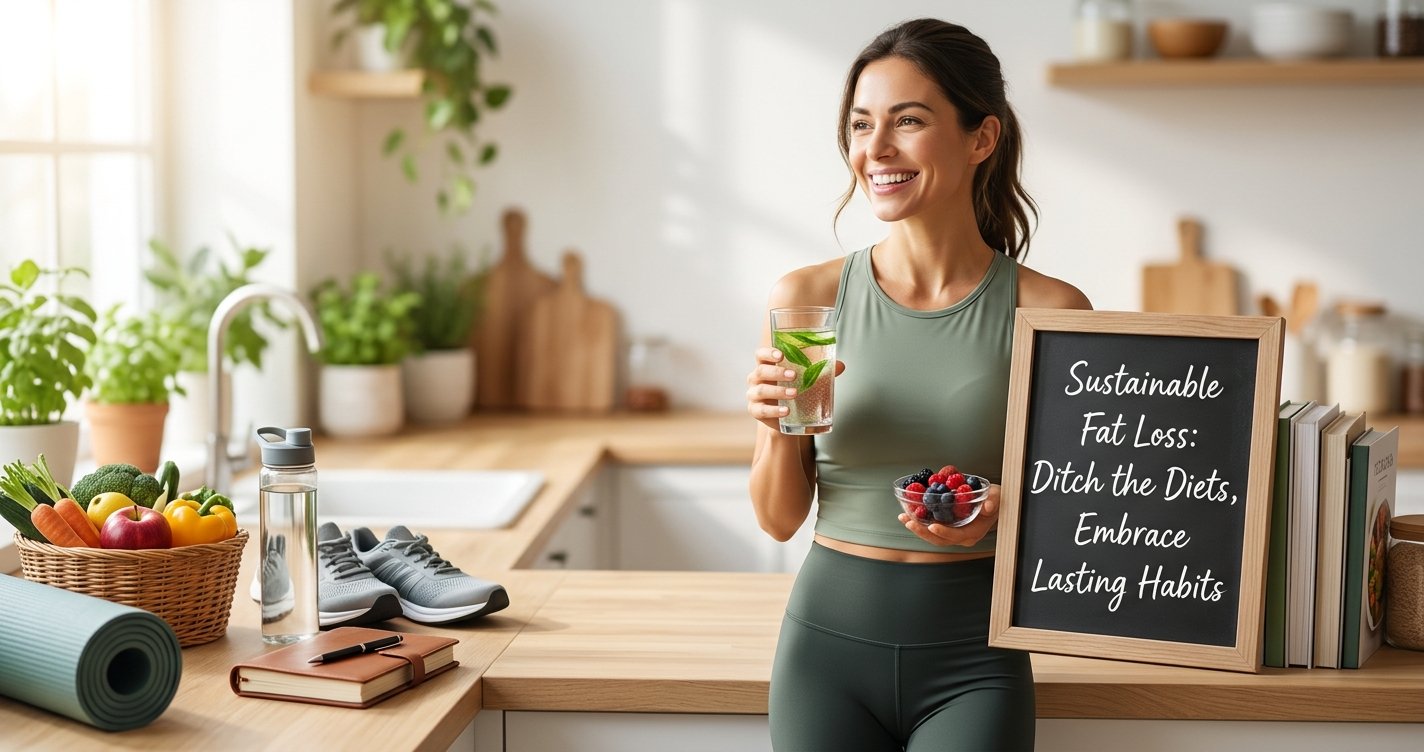
Sustainable Fat Loss: Ditch the Diets, Embrace Lasting Habits
Are you tired of the endless cycle of crash diets, rapid weight loss, and inevitable rebound? You're not alone. Many of us have been caught in the trap of extreme eating plans, only to find them unsustainable and ultimately frustrating. The good news? There's a better, more compassionate, and far more effective path to fat loss – one built on sustainable habits rather than fleeting deprivation.
This isn't about quick fixes or magic pills. It's about understanding your body, nourishing it wisely, and building a lifestyle that supports your health goals for the long haul. Let's explore how to achieve lasting fat loss without resorting to the drastic measures that often do more harm than good. this excellent wellness product
Why Extreme Diets Often Fail (And What Works Instead)
The allure of losing 10 pounds in a week is powerful, but the reality of extreme diets is often grim. Severely restricting calories or entire food groups can lead to a host of problems:
- Metabolic Slowdown: Your body adapts to extreme calorie deficits by lowering its metabolic rate, making it harder to lose weight and easier to regain it.
- Muscle Loss: When you restrict calories too much, your body can break down muscle tissue for energy, which further reduces your metabolism.
- Nutrient Deficiencies: Eliminating whole food categories can mean missing out on essential vitamins, minerals, and fiber crucial for health.
- Cravings and Binge Eating: Deprivation often leads to intense cravings, making it difficult to stick to the plan and frequently resulting in a 'rebound effect' where you eat more than before.
- Psychological Toll: Constant hunger, irritability, and social isolation can make extreme dieting a miserable experience, leading to feelings of failure and a damaged relationship with food.
Instead of battling your body with deprivation, sustainable fat loss invites you to work with it. This approach focuses on gradual, consistent changes that you can maintain indefinitely, leading to steady progress and a healthier, happier you.
The Cornerstones of Sustainable Fat Loss
Calorie Awareness, Not Obsession
At its core, fat loss requires a consistent calorie deficit – consuming fewer calories than your body expends. However, this doesn't mean meticulously counting every single calorie for the rest of your life. Instead, cultivate an awareness of your typical intake and aim for a moderate deficit (e.g., 300-500 calories less than maintenance). Focus on nutrient-dense foods that provide satiety with fewer calories. Think whole foods like vegetables, fruits, lean proteins, and healthy fats. This approach helps you feel full and satisfied, making the deficit much easier to maintain.
Prioritizing Protein: Your Satiety Secret Weapon
Protein is a powerhouse nutrient for fat loss. It's highly satiating, meaning it keeps you feeling fuller for longer, which naturally reduces overall calorie intake. Furthermore, protein has a higher thermic effect of food (TEF) than carbs or fats, meaning your body burns more calories digesting it. Crucially, adequate protein intake helps preserve lean muscle mass during a calorie deficit, which is vital for maintaining a healthy metabolism. Aim to include a lean protein source with every meal: think chicken breast, fish, eggs, Greek yogurt, lentils, or tofu.
The Power of Fiber: Fullness and Gut Health
Fiber is another unsung hero of sustainable fat loss. Found abundantly in fruits, vegetables, whole grains, and legumes, fiber adds bulk to your meals without adding many calories. It slows down digestion, stabilizing blood sugar levels and promoting a feeling of fullness. This helps prevent overeating and reduces cravings. Beyond satiety, fiber is crucial for a healthy gut microbiome, which is increasingly linked to metabolic health and weight management. Make it a goal to fill half your plate with non-starchy vegetables at lunch and dinner.
Beyond the Plate: Lifestyle Habits for Long-Term Success
Move Your Body: It's More Than Just Calories Burned
While nutrition is paramount for fat loss, physical activity plays a critical supporting role. Exercise helps burn calories, but its benefits extend far beyond that. Regular movement builds and preserves muscle mass, which boosts your resting metabolism. It improves insulin sensitivity, enhances mood, reduces stress, and boosts overall energy levels. The key is to find activities you enjoy and can stick with consistently. This could be strength training, walking, dancing, cycling, or playing a sport. Aim for a mix of strength training (2-3 times a week) and regular cardio, alongside increasing your daily incidental movement (NEAT – Non-Exercise Activity Thermogenesis) like taking the stairs or walking more.
Sleep Smarter, Not Just Longer
In our busy world, sleep is often the first thing to be sacrificed, but it's a non-negotiable for sustainable fat loss. Poor sleep disrupts hormones that regulate appetite: ghrelin (the hunger hormone) increases, and leptin (the satiety hormone) decreases. This can lead to increased cravings, especially for high-calorie, high-carb foods. Lack of sleep also elevates cortisol, the stress hormone, which can promote fat storage, particularly around the midsection. Prioritize 7-9 hours of quality sleep per night by establishing a consistent sleep schedule, creating a relaxing bedtime routine, and optimizing your sleep environment.
Stress Less, Lose More
Chronic stress is another silent saboteur of fat loss. Like poor sleep, prolonged stress elevates cortisol levels. While cortisol is essential for fight-or-flight responses, chronically high levels can lead to increased appetite, cravings for comfort foods, and a tendency to store fat around the abdomen. Finding healthy ways to manage stress is crucial. This could include mindfulness meditation, yoga, spending time in nature, journaling, deep breathing exercises, or engaging in hobbies you enjoy. Learning to cope with stress effectively not only aids fat loss but significantly improves your overall quality of life.
Mindset Matters: Cultivating Patience and Self-Compassion
Sustainable fat loss is a journey, not a race. There will be good days and challenging days, plateaus, and breakthroughs. Cultivating a mindset of patience and self-compassion is vital. Instead of striving for perfection, aim for consistency and progress. Celebrate small victories – choosing a healthier snack, completing a workout, getting a good night's sleep. Understand that setbacks are part of the process, not failures. Learn from them, adjust, and keep moving forward. Treat yourself with the same kindness and encouragement you'd offer a friend.
Building Your Sustainable Fat Loss Blueprint: Practical Steps
Ready to start building your lasting habits? Here are some practical steps:
- Start Small: Don't try to overhaul everything at once. Pick one or two habits to focus on (e.g., adding protein to breakfast, walking 30 minutes daily) and master them before adding more.
- Meal Planning: Spend a little time each week planning your meals and snacks. This reduces decision fatigue and makes healthier choices easier.
- Mindful Eating: Pay attention to your hunger and fullness cues. Eat slowly, savor your food, and put away distractions.
- Stay Hydrated: Drink plenty of water throughout the day. Sometimes thirst is mistaken for hunger.
- Track Progress Beyond the Scale: While the scale can be a tool, it doesn't tell the whole story. Pay attention to how your clothes fit, your energy levels, your strength, and your mood.
Embracing sustainable fat loss means letting go of the restrictive diets and embracing a lifestyle that nourishes your body and mind. It's about making conscious choices that build lasting health, vitality, and a positive relationship with yourself. You have the power to create a healthier future, one sustainable habit at a time. Be patient, be persistent, and most importantly, be kind to yourself.