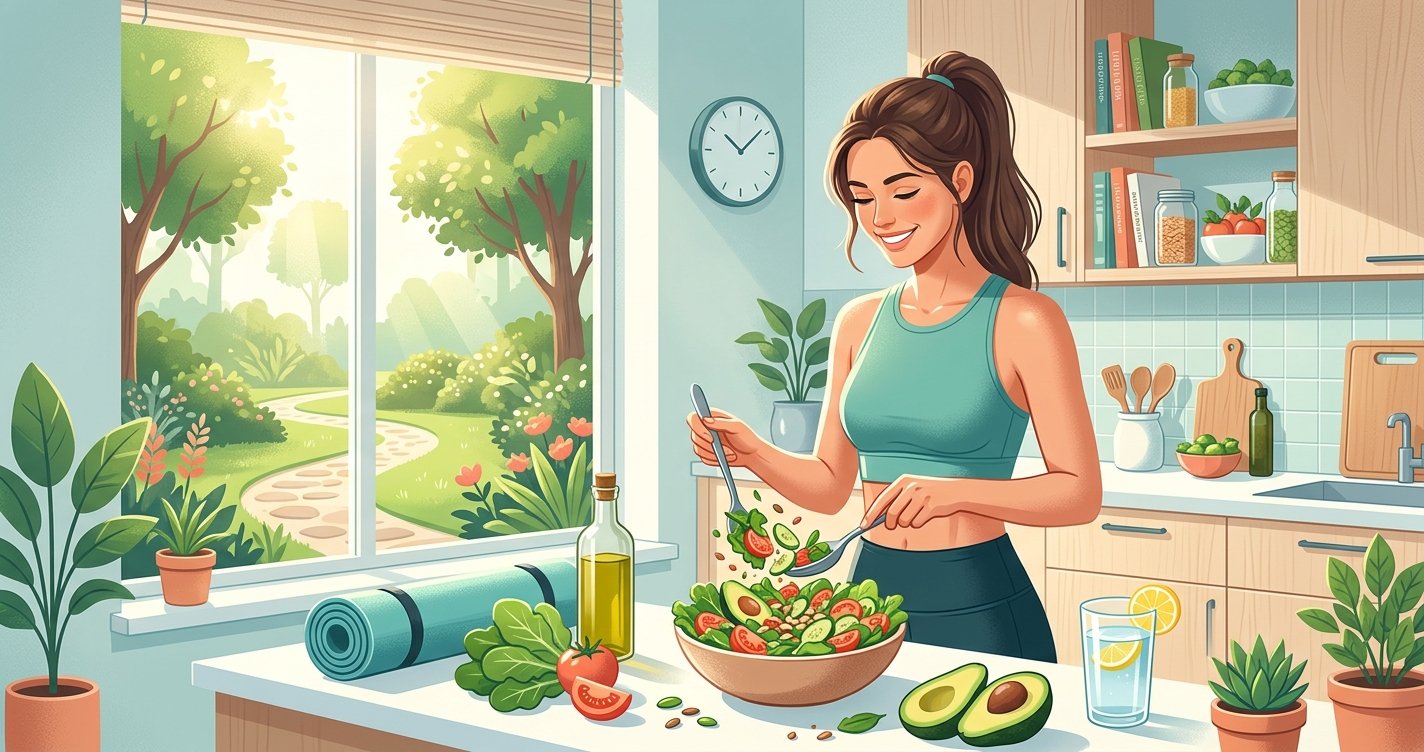
Are you tired of the endless cycle of restrictive diets, quick-fix promises, and the disheartening 'yo-yo' effect? You're not alone. In a world saturated with instant solutions, it's easy to fall prey to programs that promise rapid weight loss but rarely deliver lasting results. The truth about sustainable fat loss isn't found in extreme deprivation or grueling, unsustainable workouts. Instead, it lies in understanding your body, adopting evidence-based strategies, and cultivating habits that support your health and well-being for the long haul.
This isn't about dieting; it's about building a lifestyle. We're going to dive deep into how you can achieve genuine, lasting fat loss without sacrificing your sanity or your favorite foods. Get ready to shift your perspective and embark on a journey that prioritizes health, consistency, and real results. this excellent wellness product
Understanding the Foundation: Caloric Deficit, Not Deprivation
At its core, fat loss boils down to one fundamental principle: consuming fewer calories than your body expends. This is known as creating a 'caloric deficit.' While this might sound simple, the common mistake is going too extreme. A drastic caloric cut can backfire, leading to nutrient deficiencies, intense cravings, muscle loss (which slows your metabolism), and a slowed metabolic rate as your body tries to conserve energy.
The key to sustainable fat loss is a *moderate* caloric deficit. Aim for a deficit of 300-500 calories per day, which typically allows for a healthy and sustainable fat loss rate of 1-2 pounds per week. You can estimate your daily caloric needs (Total Daily Energy Expenditure or TDEE) using online calculators, but remember these are just estimates. Listening to your body and making small adjustments is crucial. This approach ensures you're losing fat, not just water or precious muscle, and helps prevent your body from entering 'starvation mode' where it clings to fat stores.
Fueling Your Body Right: Nutrition for Lasting Change
Nutrition is arguably the most critical component of sustainable fat loss. It’s not just about calories; it’s about the quality of those calories and how they impact your satiety, energy levels, and overall health.
Prioritize Protein
Protein is your best friend when it comes to fat loss. It's incredibly satiating, helping you feel fuller for longer and reducing the urge to snack. Furthermore, protein has a higher thermic effect, meaning your body burns more calories digesting it compared to fats or carbohydrates. Crucially, adequate protein intake helps preserve muscle mass during a caloric deficit, which is vital for maintaining a healthy metabolism. Aim for 0.7-1 gram of protein per pound of body weight.
Embrace Whole Foods
Shift your focus from processed, calorie-dense, nutrient-poor foods to whole, unprocessed options. Fruits, vegetables, lean proteins, and whole grains are packed with vitamins, minerals, and fiber. Fiber is fantastic for satiety, digestive health, and can help regulate blood sugar levels, preventing energy crashes and subsequent cravings.
Don't Fear Healthy Fats
While fats are calorie-dense, healthy fats (like those found in avocados, nuts, seeds, and olive oil) are essential for hormone production, nutrient absorption, and long-term satiety. Including a moderate amount of healthy fats in your diet can help prevent cravings and keep you feeling satisfied, making your caloric deficit much more manageable.
Mindful Carbohydrates
Carbohydrates are not the enemy! Choose complex carbohydrates like oats, quinoa, brown rice, and sweet potatoes, which provide sustained energy and fiber. Timing your carbohydrate intake around your workouts can be beneficial for performance and recovery. Avoid excessive amounts of refined sugars and highly processed carbs that offer little nutritional value and can lead to energy spikes and crashes.
Move Your Body Smart: Exercise for Fat Loss and Beyond
While diet is paramount, exercise plays a vital role in accelerating fat loss, improving body composition, and boosting overall health and well-being.
Strength Training is Your Best Friend
If you're not lifting weights, you're missing out on a powerful fat-loss tool. Resistance training builds and maintains muscle mass, and muscle is metabolically active tissue – it burns more calories at rest than fat. This means a stronger, more muscular body has a higher resting metabolism, making it easier to maintain a caloric deficit and achieve body recomposition (losing fat while gaining muscle). Aim for 2-4 strength training sessions per week, focusing on compound movements.
Incorporate Cardio Wisely
Cardiovascular exercise is excellent for heart health and can contribute to your caloric deficit. However, endless hours of steady-state cardio aren't always the most efficient path to fat loss. Consider incorporating a mix: some steady-state for endurance and recovery, and perhaps some High-Intensity Interval Training (HIIT) for a potent calorie burn and metabolic boost. Listen to your body and find what you enjoy and can stick with.
The Power of NEAT (Non-Exercise Activity Thermogenesis)
Don't underestimate the power of everyday movement. NEAT refers to all the calories you burn outside of structured exercise – walking, standing, fidgeting, taking the stairs. Increasing your NEAT by simply being more active throughout your day can significantly contribute to your overall caloric expenditure. Aim for 7,000-10,000 steps a day, take frequent breaks from sitting, and choose to move whenever possible.
The Unsung Heroes: Sleep, Stress, and Hydration
Often overlooked, these lifestyle factors can make or break your fat loss journey.
Sleep Your Way Leaner
Lack of sleep wreaks havoc on your hormones, particularly ghrelin (the hunger hormone) and leptin (the satiety hormone). When you're sleep-deprived, ghrelin levels rise, making you feel hungrier, while leptin levels fall, reducing your feeling of fullness. Furthermore, poor sleep elevates cortisol (the stress hormone), which can promote fat storage, especially around the midsection. Aim for 7-9 hours of quality sleep per night.
Tame the Stress Monster
Chronic stress, like lack of sleep, keeps cortisol levels elevated. Elevated cortisol can lead to increased appetite, cravings for high-sugar/high-fat foods, and a tendency to store fat around the abdominal area. Find healthy ways to manage stress, whether it's meditation, yoga, spending time in nature, or engaging in hobbies you love.
Hydration Revisited
Water is essential for countless bodily functions, including metabolism. Sometimes, our bodies confuse thirst signals with hunger signals. Drinking plenty of water throughout the day can help manage appetite, keep you feeling full, and ensure your metabolism is running optimally. Aim for at least 8 glasses of water daily, more if you're active.
Cultivating a Winning Mindset: Psychological Keys to Success
Fat loss isn't just a physical journey; it's a mental one. Your mindset is crucial for long-term success.
Patience and Consistency
Sustainable fat loss is a marathon, not a sprint. There will be plateaus, setbacks, and moments of frustration. The key is to stay patient and consistent with your efforts. Small, consistent actions over time yield significant results.
Ditch Perfectionism
No one is perfect. You'll have days where you overeat or miss a workout. Instead of letting one slip-up derail your entire journey, acknowledge it, learn from it, and get back on track with your next meal or workout. Progress, not perfection, is the goal.
Self-Compassion
Be kind to yourself. Treat your body with respect and nourish it with wholesome foods and movement. Negative self-talk and harsh self-criticism can be counterproductive and lead to emotional eating or giving up.
Focus on Habits, Not Just the Scale
While the scale can be a useful tool, it doesn't tell the whole story. Focus on building healthy habits – consistent workouts, nutritious meals, good sleep. Celebrate non-scale victories like increased energy, improved strength, better fitting clothes, and enhanced mood. These are true indicators of progress.
Practical Strategies for Sustainable Living
- Meal Prep: Dedicate a few hours each week to prepare healthy meals and snacks. This makes healthy eating effortless during busy weekdays.
- Mindful Eating: Pay attention to your hunger and fullness cues. Eat slowly, savor your food, and put away distractions. This can help prevent overeating.
- Find Enjoyable Exercise: Don't force yourself into workouts you dread. Experiment with different activities until you find something you genuinely enjoy – you're far more likely to stick with it.
- Build a Support System: Share your goals with friends or family, or join a community. Having people who support and encourage you can make a huge difference.
- Track Your Progress: Whether it's food intake, workouts, or measurements, tracking can provide valuable insights and keep you motivated.
Embracing sustainable fat loss means letting go of the quick fixes and embracing a holistic approach to health. It's about making gradual, manageable changes that you can maintain for life, not just for a few weeks. By focusing on a moderate caloric deficit, nutrient-dense foods, consistent exercise (especially strength training), quality sleep, stress management, and a positive mindset, you're not just losing fat – you're building a healthier, stronger, and more resilient you.
Your journey starts now, one sustainable step at a time. Be patient, be persistent, and celebrate every victory along the way. You've got this!