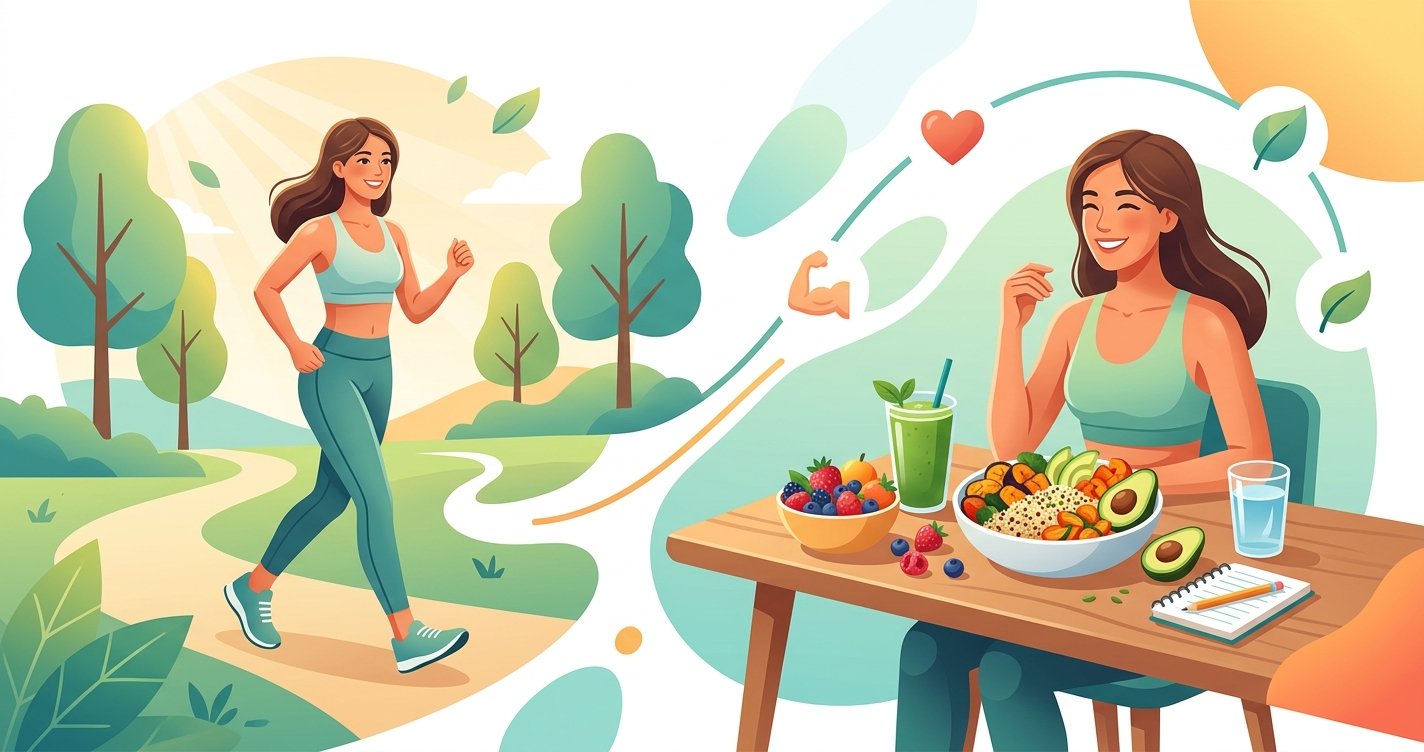
Are you tired of the endless cycle of crash diets, restrictive eating, and the frustrating 'yo-yo' effect? You're not alone. In a world obsessed with quick fixes and instant gratification, it's easy to fall prey to promises of rapid fat loss that rarely deliver sustainable results. But what if there was a better way? A path to fat loss that not only helps you shed unwanted pounds but also fosters a healthier relationship with food, exercise, and your body?
This isn't about deprivation or extreme measures. It's about understanding your body, making informed choices, and building habits that support long-term well-being. Get ready to discover the secrets to sustainable fat loss – a journey that's empowering, effective, and truly lasting. this excellent wellness product
The Pitfalls of Quick Fixes: Why Extreme Diets Fail
We've all seen them: the 7-day detoxes, the magic pills, the ultra-low-calorie plans. While these approaches might show immediate numbers on the scale, they often come at a significant cost. Extreme diets typically lead to:
- Muscle Loss: Rapid weight loss often includes losing precious muscle mass, which is crucial for a healthy metabolism and body composition.
- Metabolic Slowdown: Your body is smart. When faced with severe calorie restriction, it adapts by slowing down your metabolism to conserve energy, making future fat loss even harder.
- Nutrient Deficiencies: Restricting entire food groups can deprive your body of essential vitamins, minerals, and macronutrients, impacting your energy, mood, and overall health.
- Unsustainability & Rebound Weight Gain: These diets are simply not enjoyable or realistic for the long term. Once you return to normal eating, the weight often comes back, sometimes even more than before, creating a frustrating cycle.
- Mental & Emotional Toll: Constant hunger, cravings, and the guilt associated with 'cheating' can severely impact your mental well-being and foster an unhealthy relationship with food.
The evidence is clear: for lasting results, we need to move beyond the quick fix mentality and embrace strategies that nourish both body and mind.
Building Your Foundation: The Power of a Moderate Calorie Deficit
At its core, fat loss boils down to one fundamental principle: consuming fewer calories than your body burns. This is known as a calorie deficit. However, the key word here is 'moderate'.
Instead of drastic cuts, aim for a sustainable deficit of around 300-500 calories per day. This allows your body to tap into its fat stores for energy without triggering the severe survival responses associated with extreme dieting. How do you figure this out?
- Estimate Your Maintenance Calories: Use online calculators (like TDEE calculators) as a starting point to estimate how many calories your body needs to maintain its current weight.
- Track & Adjust: For a few days, track your current food intake to get a baseline. Then, consciously reduce your daily intake by 300-500 calories. Don't obsess over perfection; aim for consistency.
- Listen to Your Body: If you're constantly ravenous or your energy levels plummet, your deficit might be too large. Adjust gradually until you find a balance that feels manageable and effective.
Remember, this isn't about starvation. It's about creating a slight energy gap that encourages your body to burn stored fat while still providing enough fuel for daily activities and overall health.
Fueling Your Body Right: Nutrient-Dense Eating for Fat Loss
While calories matter, the *quality* of those calories matters even more for sustainable fat loss and overall health. Focus on nutrient-dense foods that keep you feeling full, satisfied, and energized.
Prioritize Protein
Protein is your best friend for fat loss. It's highly satiating, meaning it keeps you feeling full for longer, reducing cravings. It also has a higher thermic effect, meaning your body burns more calories digesting it. Crucially, adequate protein intake helps preserve muscle mass during a calorie deficit.
- Sources: Lean meats, poultry, fish, eggs, dairy (Greek yogurt, cottage cheese), legumes, tofu, tempeh, protein powder.
Embrace Fiber-Rich Foods
Fiber adds bulk to your meals, promoting fullness and aiding digestion. It also helps stabilize blood sugar levels, preventing energy crashes and subsequent cravings.
- Sources: Vegetables, fruits, whole grains (oats, quinoa, brown rice), beans, lentils, nuts, seeds.
Don't Fear Healthy Fats
Healthy fats are essential for hormone production, nutrient absorption, and satiety. While calorie-dense, a moderate amount can help you feel satisfied and prevent overeating.
- Sources: Avocados, nuts, seeds, olive oil, fatty fish (salmon, mackerel).
Think of your plate as a canvas: fill half with colorful vegetables, a quarter with lean protein, and a quarter with complex carbohydrates, with a touch of healthy fats.
Move Your Body Smart: Beyond Just Cardio
Exercise is a powerful tool for fat loss, not just for burning calories, but for improving body composition, boosting metabolism, and enhancing overall well-being. However, it's not just about endless hours on the treadmill.
Strength Training for Muscle Preservation and Metabolism
Resistance training is non-negotiable for sustainable fat loss. It helps you build or maintain muscle mass, which is metabolically active tissue. More muscle means your body burns more calories even at rest. Aim for 2-3 full-body strength training sessions per week.
Cardio for Heart Health and Calorie Burn
Cardiovascular exercise is excellent for heart health, endurance, and provides an additional calorie burn. Incorporate a mix of moderate-intensity cardio (like brisk walking, cycling, swimming) and perhaps some high-intensity interval training (HIIT) if appropriate for your fitness level.
Increase Non-Exercise Activity Thermogenesis (NEAT)
NEAT refers to the calories burned through everyday movements that aren't formal exercise. This can be a huge driver of daily calorie expenditure! Park further away, take the stairs, walk during phone calls, fidget, stand more often. Every little bit adds up.
The Unsung Heroes: Sleep, Stress, and Hydration
Often overlooked, these three pillars are crucial for successful and sustainable fat loss.
Prioritize Quality Sleep
Lack of sleep can wreak havoc on your hormones, specifically ghrelin (the hunger hormone) and leptin (the satiety hormone). When you're sleep-deprived, ghrelin increases, making you feel hungrier, while leptin decreases, making it harder to feel full. Aim for 7-9 hours of quality sleep per night.
Manage Stress Effectively
Chronic stress elevates cortisol levels, a hormone that can promote fat storage, particularly around the abdominal area. Find healthy ways to manage stress, such as meditation, yoga, spending time in nature, or engaging in hobbies you enjoy.
Stay Hydrated
Water is essential for countless bodily functions, including metabolism. Sometimes, your body can confuse thirst with hunger, leading to unnecessary snacking. Drinking plenty of water can also promote satiety and help you feel fuller between meals. Aim for 8 glasses (or more) per day.
Cultivating a Sustainable Mindset: Patience and Consistency
Sustainable fat loss is a marathon, not a sprint. There will be good days and challenging days, plateaus, and moments of doubt. This is where your mindset becomes your most powerful tool.
- Embrace Patience: Understand that lasting change takes time. Celebrate small victories and focus on progress, not perfection.
- Prioritize Consistency Over Perfection: It's better to be 80% consistent 100% of the time than 100% perfect for only a few days. Don't let one 'off' meal or day derail your entire journey.
- Practice Self-Compassion: Be kind to yourself. If you slip up, acknowledge it, learn from it, and get back on track without self-judgment.
- Focus on Non-Scale Victories: How are your clothes fitting? Is your energy better? Are you sleeping more soundly? Can you lift heavier? These are all signs of progress beyond the number on the scale.
- Build Habits, Not Restrictions: Shift your focus from what you 'can't' have to what healthy habits you can build into your daily routine.
Your Journey to Lasting Health Begins Now
Sustainable fat loss isn't about chasing an ideal body; it's about building a healthier, stronger, and more resilient you. By ditching the extreme diets and embracing a balanced approach to nutrition, smart exercise, ample rest, and a positive mindset, you're not just losing fat – you're gaining a lifetime of health, energy, and confidence.
Start small, be consistent, and trust the process. Your body will thank you, and the lasting results will be your greatest reward. You have the power to create a healthier, happier future, one sustainable step at a time.