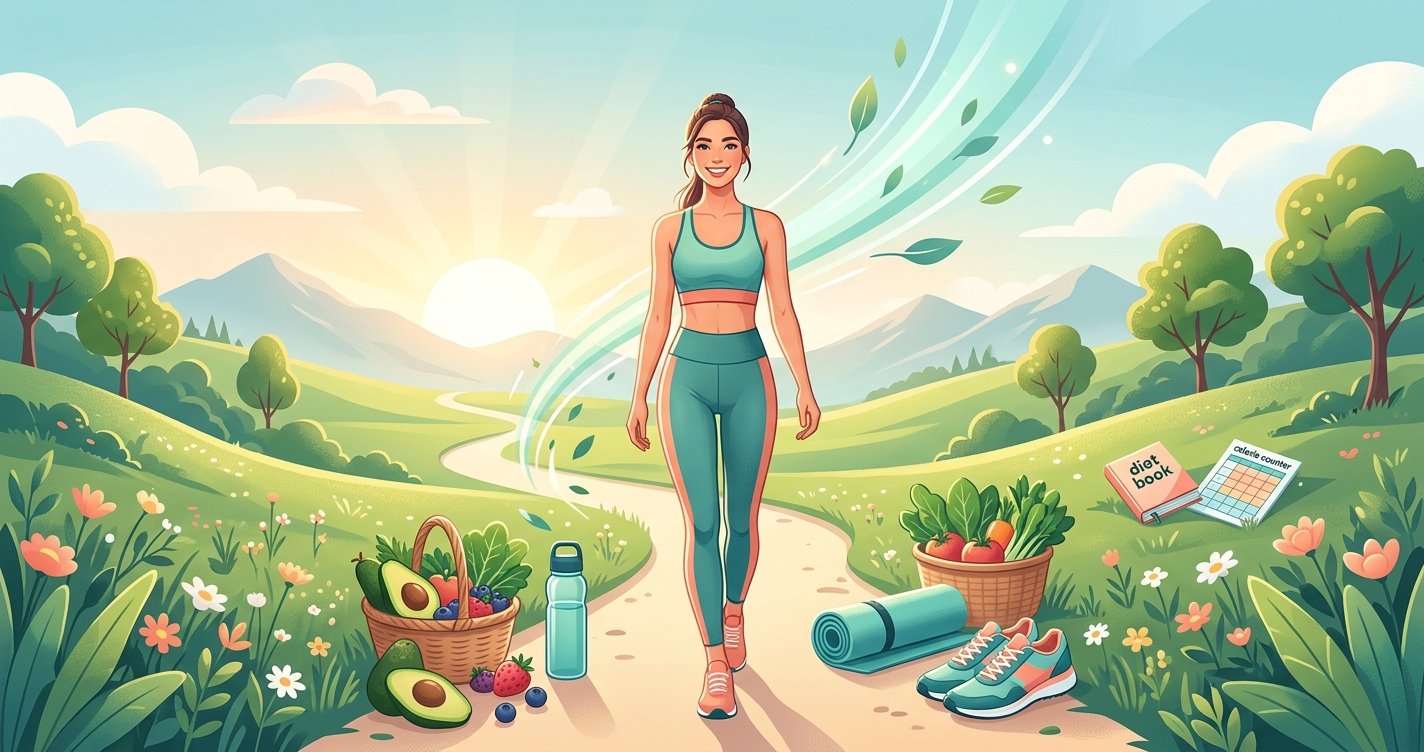
Sustainable Fat Loss: Ditch the Diets, Embrace Lasting Results
Are you tired of the endless cycle of crash diets, rapid weight loss, and inevitable rebound? You're not alone. In the quest for fat loss, many of us fall prey to the allure of quick fixes – restrictive diets, extreme workouts, and promises of overnight transformations. While these methods might offer temporary results, they often leave us frustrated, demotivated, and, frankly, heavier than when we started. The good news? There's a better way. A sustainable path to fat loss that focuses on long-term health, enjoyment, and results that actually stick. This isn't about deprivation; it's about empowerment, understanding your body, and building habits that support a vibrant, healthy life.
Forget the fads and prepare to explore an evidence-based approach to shedding fat permanently. We'll dive into why extreme diets fail, uncover the true pillars of sustainable fat loss, and equip you with the knowledge to create a lifestyle that nourishes both your body and your mind. this excellent wellness product
Why "Quick Fixes" Don't Last (And Often Harm)
The diet industry thrives on the promise of fast results, but this often comes at a cost. Extreme calorie restriction or cutting out entire food groups might lead to initial weight loss, but it's rarely sustainable and can even be detrimental to your long-term health and metabolism.
The Yo-Yo Diet Cycle
When you drastically cut calories, your body perceives it as a famine. It slows down your metabolism to conserve energy, making it harder to burn fat. You might lose weight, but a significant portion of that is often water and muscle, not just fat. Once you inevitably return to a more normal eating pattern (because who can live on lettuce forever?), your slowed metabolism is primed to store fat efficiently, leading to the dreaded 'yo-yo effect' where you regain the weight, often with extra pounds.
Metabolic Adaptation Explained Simply
Our bodies are incredibly adaptable. When you consistently eat very little, your metabolism adjusts downwards. This isn't just about calorie burning; it also affects hormone levels that regulate hunger (ghrelin) and satiety (leptin). After prolonged dieting, ghrelin levels can increase, making you feel hungrier, while leptin levels can decrease, reducing feelings of fullness. This biological pushback makes maintaining a very low-calorie diet incredibly challenging and often unsustainable, setting you up for failure rather than lasting success.
The Pillars of Sustainable Fat Loss
True, lasting fat loss isn't about a single magic bullet; it's a holistic approach built on several interconnected pillars. When you focus on these fundamental areas, you create a robust foundation for success.
Nutrition: Fueling Your Body, Not Depriving It
This is arguably the most crucial component. Sustainable nutrition isn't about eliminating entire food groups; it's about making smart, informed choices that keep you satisfied and energized. The core principle remains a slight, consistent calorie deficit – consuming slightly fewer calories than you burn. However, how you achieve that deficit matters.
- Prioritize Protein: Protein is king for fat loss. It's highly satiating, meaning it keeps you feeling full for longer, reducing overall calorie intake. It also helps preserve muscle mass during a deficit, which is vital for maintaining a healthy metabolism. Aim for a lean protein source with every meal: chicken, fish, lean beef, eggs, tofu, lentils, or Greek yogurt.
- Embrace Fiber-Rich Foods: Vegetables, fruits, and whole grains are packed with fiber, which aids digestion, promotes fullness, and helps stabilize blood sugar levels. Fill half your plate with non-starchy vegetables at most meals.
- Choose Healthy Fats: Don't fear fats! Healthy fats from avocados, nuts, seeds, and olive oil are essential for hormone production, nutrient absorption, and satiety. Just be mindful of portion sizes, as they are calorie-dense.
- Mindful Eating: Pay attention to your hunger and fullness cues. Eat slowly, savor your food, and avoid distractions. This helps you recognize when you're truly satisfied, preventing overeating.
- Hydration: Sometimes, thirst is mistaken for hunger. Drink plenty of water throughout the day. It can also help you feel fuller before meals.
Movement: Finding Joy in Being Active
Exercise is a powerful tool for fat loss, not just for burning calories, but for building muscle, improving metabolic health, and boosting mood. The key is to find activities you genuinely enjoy, making consistency much easier.
- Strength Training is Non-Negotiable: Lifting weights or performing bodyweight exercises is crucial. Muscle tissue is metabolically active, meaning it burns more calories at rest than fat tissue. Building and preserving muscle is vital for a healthy metabolism and a toned physique. Aim for 2-4 sessions per week, focusing on compound movements.
- Cardio for Heart Health and Calorie Burn: Whether it's walking, jogging, cycling, swimming, or dancing, cardiovascular exercise improves heart health and contributes to your calorie deficit. Find an activity you enjoy and incorporate it regularly, even if it's just a brisk 30-minute walk daily.
- NEAT (Non-Exercise Activity Thermogenesis): This refers to all the calories you burn outside of structured exercise – walking to work, taking the stairs, fidgeting, gardening. Increase your NEAT by being more active throughout your day. Every step counts!
Sleep: The Unsung Hero of Fat Loss
Often overlooked, quality sleep plays a profound role in fat loss. When you're sleep-deprived, your body's hormonal balance goes awry.
- Hormonal Imbalance: Lack of sleep increases ghrelin (the hunger hormone) and decreases leptin (the satiety hormone), making you feel hungrier and less satisfied. It also raises cortisol levels.
- Increased Cravings: Sleep deprivation can lead to increased cravings for high-carb, sugary foods, making it harder to stick to your nutrition goals.
- Reduced Energy for Workouts: Poor sleep leaves you feeling fatigued, impacting your motivation and performance in the gym.
Aim for 7-9 hours of quality sleep per night. Establish a consistent sleep schedule, create a relaxing bedtime routine, and optimize your sleep environment.
Stress Management: Taming the Cortisol Beast
Chronic stress can be a significant roadblock to fat loss. When stressed, your body releases cortisol, the 'stress hormone.'
- Cortisol and Fat Storage: Elevated cortisol levels can promote fat storage, particularly around the abdominal area.
- Emotional Eating: Stress often leads to emotional eating, where food becomes a coping mechanism rather than fuel.
Find healthy ways to manage stress: meditation, yoga, spending time in nature, hobbies, deep breathing exercises, or talking to a trusted friend. Prioritizing mental well-being is just as important as physical activity and nutrition.
Building Sustainable Habits: Small Steps, Big Results
The journey to sustainable fat loss isn't about perfection; it's about consistent progress and forming habits that fit into your life.
Consistency Over Perfection
Don't let one 'off' meal or missed workout derail your entire week. Sustainable progress comes from showing up most of the time, not from being flawless. If you slip up, acknowledge it, learn from it, and get back on track with your next meal or workout.
Tracking Progress Beyond the Scale
While the scale can be a useful tool, it doesn't tell the whole story. Muscle gain, water fluctuations, and hormonal changes can obscure actual fat loss. Consider these metrics:
- Body Measurements: Track changes in your waist, hips, and arms.
- Progress Photos: Visual changes can be incredibly motivating.
- How Your Clothes Fit: A great indicator of body composition changes.
- Energy Levels & Mood: Notice improvements in your overall well-being.
- Strength Gains: Are you lifting heavier or performing better in your workouts?
The Power of Patience and Self-Compassion
Sustainable fat loss is a marathon, not a sprint. It takes time for your body to adapt and for habits to become ingrained. Be patient with yourself, celebrate small victories, and practice self-compassion. This journey is about nurturing your body and mind, not punishing them.
Your Sustainable Fat Loss Toolkit
- Protein-Rich Meals: Plan meals around lean protein, fiber, and healthy fats.
- Strength Training: Lift weights 2-4 times a week.
- Daily Movement: Aim for 7,000-10,000 steps or regular cardio.
- Quality Sleep: Prioritize 7-9 hours nightly.
- Stress Reduction: Incorporate mindfulness or relaxation techniques.
- Hydration: Drink plenty of water throughout the day.
- Mindful Eating: Pay attention to hunger and fullness cues.
- Patience: Trust the process; lasting results take time.
Ditching extreme diets and embracing a sustainable approach to fat loss isn't just about changing your body; it's about transforming your relationship with food, exercise, and yourself. It's about building a healthier, happier you – one sustainable habit at a time. This isn't a temporary fix; it's a lifestyle revolution. Start today, be kind to yourself, and enjoy the journey to lasting results!