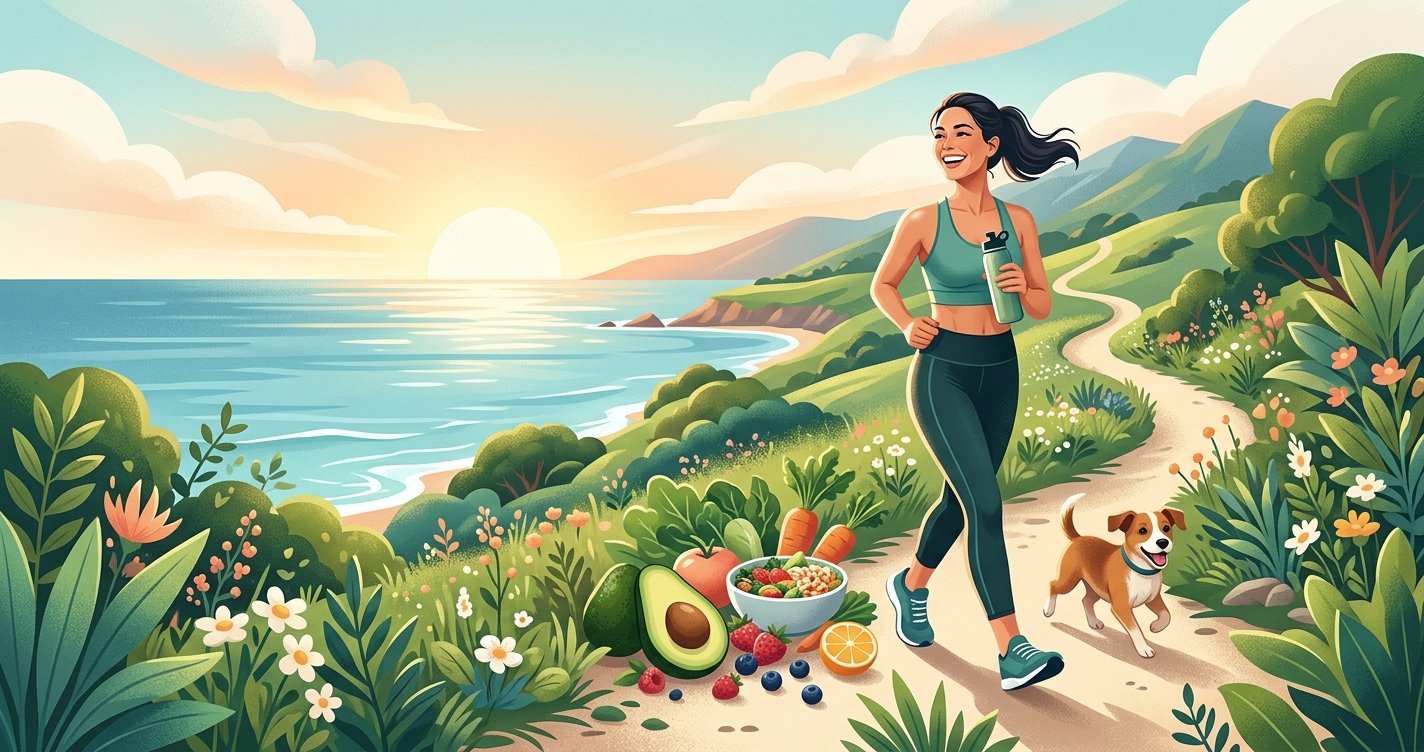
Tired of the Diet Rollercoaster? Discover Sustainable Fat Loss That Lasts!
Have you ever felt caught in a frustrating cycle? You start a new diet with high hopes, restrict your favorite foods, maybe even see some initial success, only to find yourself back where you started (or even heavier) a few months later. You're not alone. The conventional diet industry often promotes quick fixes that are unsustainable, leaving millions feeling defeated and confused about how to achieve genuine, lasting fat loss.
But what if there was a different way? A path to sustainable fat loss that doesn't involve deprivation, endless calorie counting, or feeling guilty about every bite? It exists, and it's rooted in understanding your body, building healthy habits, and focusing on long-term well-being rather than short-term weight drops. Let's explore how to move beyond diets and embrace a lifestyle that supports your body composition goals for good. this excellent wellness product
Why Most Diets Are Designed to Fail Your Long-Term Fat Loss Goals
Before we dive into sustainable strategies, it's crucial to understand why so many traditional diets fall short. They often create a cycle of restriction and rebound, both physiologically and psychologically:
- Metabolic Adaptation: When you drastically cut calories, your body, an amazing survival machine, slows down its metabolism to conserve energy. This makes it harder to lose fat over time and easier to regain it once you stop restricting.
- Psychological Burnout: Extreme restriction can lead to intense cravings, emotional fatigue, and a feeling of deprivation. This often results in 'cheat days' spiraling into full-blown binges, followed by guilt and a renewed cycle of restriction.
- Lack of Sustainability: Most diets are not designed to be followed for life. They teach you what not to eat, rather than teaching you how to build a healthy, balanced relationship with food and your body in the long run.
The good news? You can break free from this cycle by shifting your focus from temporary fixes to permanent, positive lifestyle changes.
Embrace Mindful Eating: Your Key to Intuitive Fat Loss
One of the most powerful tools for sustainable fat loss isn't a diet plan, but a shift in how you approach food: mindful eating. This practice encourages you to pay full attention to your eating experience, helping you reconnect with your body's natural hunger and fullness cues.
Here’s how to cultivate mindfulness around food:
- Slow Down: Put your fork down between bites. Chew thoroughly. It takes about 20 minutes for your stomach to signal to your brain that it's full.
- Tune In: Before you eat, ask yourself: Am I truly hungry? What kind of hunger is it (physical vs. emotional)?
- Savor Each Bite: Notice the flavors, textures, and aromas of your food. Enjoy the experience without distraction (put away your phone!).
- Listen to Fullness: Stop eating when you feel satisfied, not stuffed. Learn to recognize the subtle signals your body sends.
Mindful eating helps you make conscious choices, reduce overeating, and enjoy food without guilt, naturally supporting sustainable fat loss.
Fuel Your Body Wisely: Prioritizing Nutrient-Dense Foods
Instead of counting every calorie or cutting out entire food groups, focus on nourishing your body with nutrient-dense foods. This approach prioritizes quality over quantity and helps you feel fuller, more energized, and supports your metabolism.
- Protein Power: Include a source of lean protein at every meal (chicken, fish, beans, lentils, tofu, Greek yogurt). Protein is crucial for satiety, muscle maintenance, and has a higher thermic effect, meaning your body burns more calories digesting it.
- Fiber-Rich Foods: Load up on fruits, vegetables, whole grains, and legumes. Fiber helps you feel full, aids digestion, and stabilizes blood sugar levels, preventing energy crashes and cravings.
- Healthy Fats: Don't fear fats! Avocados, nuts, seeds, and olive oil are essential for hormone production, nutrient absorption, and satiety. Enjoy them in moderation.
- Hydration is Key: Often overlooked, drinking enough water is vital. Sometimes, thirst is mistaken for hunger. Aim for at least 8 glasses of water a day, more if you're active.
By focusing on these foundational elements, you naturally reduce your intake of highly processed foods, sugary drinks, and unhealthy snacks, which are often the culprits behind unwanted fat gain.
Move Your Body Joyfully: Exercise for Life, Not Just Loss
When it comes to fat loss, exercise often feels like a punishment or a chore solely aimed at burning calories. But shifting your perspective to 'joyful movement' can transform your relationship with physical activity and make it a sustainable part of your life.
- Find What You Love: Forget what you 'should' do. Explore activities you genuinely enjoy – dancing, hiking, swimming, cycling, yoga, team sports. When you love it, you're more likely to stick with it.
- Prioritize Strength Training: Building muscle is incredibly beneficial for fat loss. Muscle tissue is metabolically active, meaning it burns more calories at rest than fat tissue. Aim for 2-3 strength sessions per week.
- Incorporate Daily Movement: Beyond structured workouts, look for opportunities to move more throughout your day. Take the stairs, walk during phone calls, park further away, or stand while working.
- Listen to Your Body: Rest and recovery are just as important as activity. Don't push through pain or exhaustion.
Regular physical activity boosts your metabolism, improves mood, reduces stress, and builds strength, all contributing to a healthier, more vibrant you – far beyond just burning calories.
The Unsung Heroes: Sleep, Stress, and Hormonal Balance for Fat Loss
You can eat perfectly and exercise diligently, but if you neglect sleep and stress management, your fat loss efforts will be an uphill battle. These factors significantly impact your hormones, which play a critical role in how your body stores and burns fat.
- Quality Sleep: Lack of sleep disrupts hormones that regulate appetite. Ghrelin (the hunger hormone) increases, while leptin (the satiety hormone) decreases, leading to increased cravings, especially for unhealthy foods. Aim for 7-9 hours of quality sleep per night.
- Stress Management: Chronic stress elevates cortisol levels. High cortisol can promote fat storage, particularly around the abdomen, and increase cravings for sugary, fatty foods. Incorporate stress-reducing activities like meditation, deep breathing, spending time in nature, or hobbies into your daily routine.
- Hormonal Harmony: Sleep and stress directly influence insulin sensitivity, thyroid function, and sex hormones, all of which impact your body composition. Prioritizing these areas helps create an optimal internal environment for fat loss.
Think of sleep and stress management as non-negotiable pillars of your fat loss journey, not optional extras.
Building Sustainable Habits: Small Steps, Big Impact
The journey to sustainable fat loss isn't about grand gestures; it's about consistent, small, positive changes that accumulate over time. Here’s how to approach habit building:
- Start Small: Don't try to overhaul everything at once. Pick one or two habits to focus on (e.g., drink a glass of water before each meal, go for a 15-minute walk daily).
- Be Consistent: Consistency trumps intensity. Doing a little bit every day is more effective than doing a lot once a week.
- Be Patient and Kind to Yourself: There will be slip-ups; that's normal. Don't let one 'off' day derail your entire progress. Acknowledge it, learn from it, and get back on track.
- Track Progress Beyond the Scale: Focus on non-scale victories: increased energy, better sleep, clothes fitting differently, improved mood, stronger workouts. The scale is just one metric.
Your Path to Lasting Fat Loss Starts Now
Moving away from restrictive diets and towards a sustainable, holistic approach to fat loss is perhaps the most empowering decision you can make for your health. It's not about quick fixes; it's about cultivating a deeper understanding and appreciation for your body, nurturing it with nourishing foods, moving it in ways you enjoy, and prioritizing rest and stress reduction.
This journey takes patience, consistency, and self-compassion, but the rewards are far greater than just a number on the scale. You'll gain lasting energy, improved health, a positive relationship with food, and a body that feels strong and vibrant. So, ditch the diet mentality, embrace these sustainable strategies, and embark on a path to lasting fat loss and well-being. Your future self will thank you!