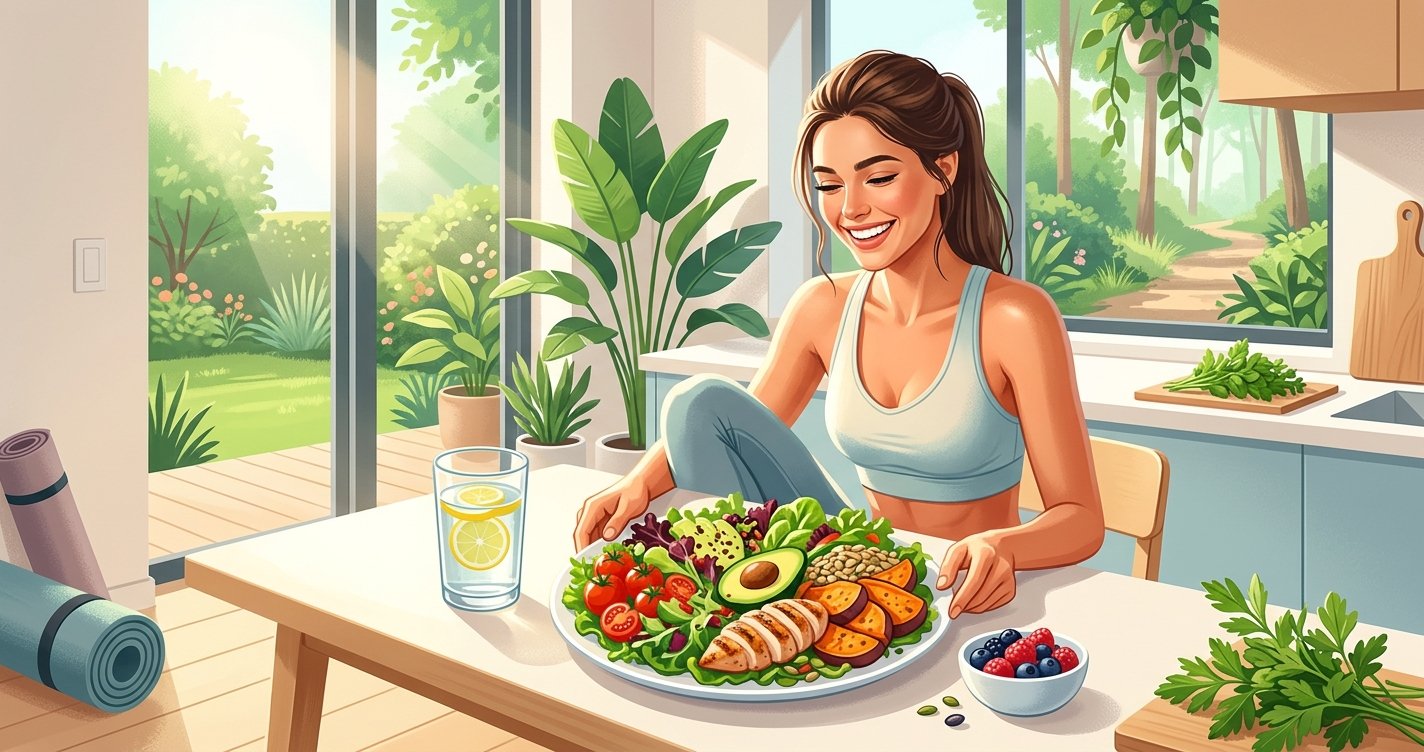
Tired of the Yo-Yo? Discover the Secret to Sustainable Fat Loss
Have you ever found yourself caught in the frustrating cycle of rapid weight loss, only to see the numbers creep back up (and sometimes bring friends)? It's a story many of us know all too well. The internet is flooded with quick-fix diets, extreme workouts, and promises of instant transformations. While these methods might offer temporary results, they often leave us feeling depleted, demotivated, and further away from our long-term health goals. The truth is, sustainable fat loss isn't about deprivation or punishment; it's about building a lifestyle that genuinely supports your well-being. This isn't just about fitting into an old pair of jeans; it's about cultivating lasting health, energy, and confidence.
In this comprehensive guide, we're going to dive deep into the evidence-based strategies for achieving sustainable fat loss. We'll explore why quick fixes inevitably fail, and more importantly, how you can build habits that lead to permanent, healthy change. Get ready to ditch the diet mentality and embrace a powerful, encouraging approach to transforming your body and your life! this excellent wellness product
Why Quick Fixes Fail: The Science of Sustainability
Before we build a sustainable path, let's understand why the express lane often leads to a dead end. Crash diets, extreme calorie restriction, and over-the-top workout routines might seem appealing because they promise fast results. However, our bodies are incredibly intelligent, designed for survival and homeostasis. When you drastically cut calories, your body perceives it as a famine. It responds by:
- Slowing Metabolism: Your metabolic rate can decrease to conserve energy, making it harder to burn fat.
- Increasing Hunger Hormones: Ghrelin (the 'hunger hormone') can spike, while leptin (the 'satiety hormone') can drop, leading to intense cravings and overeating.
- Losing Muscle Mass: Without adequate protein and resistance training, a significant portion of the weight you lose on crash diets can be precious muscle, which is metabolically active and crucial for long-term fat burning.
- Nutrient Deficiencies: Restrictive diets often lack essential vitamins and minerals, impacting energy levels, mood, and overall health.
- Psychological Burnout: The constant feeling of deprivation and the inability to maintain extreme measures often lead to giving up, followed by feelings of failure and rebound weight gain (the dreaded 'yo-yo effect').
True, lasting fat loss isn't about fighting your body; it's about working with it. It's a marathon, not a sprint, and understanding this fundamental principle is the first step towards success.
The Core Pillars of Sustainable Fat Loss
Sustainable fat loss isn't a single magic bullet; it's a holistic approach built upon several interconnected pillars. When you address each of these areas, you create a robust foundation for not just losing fat, but keeping it off for good. Let's explore the key components that will lead you to lasting success.
Pillar 1: Smart Nutrition – Fueling Your Body, Not Just Cutting Calories
At the heart of any fat loss journey is nutrition. However, 'smart nutrition' goes far beyond simply counting calories. While a caloric deficit is essential for fat loss (consuming fewer calories than you burn), the quality of those calories makes a world of difference for your energy, satiety, and overall health. Think of food as fuel and information for your body.
- Prioritize Protein: Protein is your best friend for fat loss. It's incredibly satiating, helps preserve muscle mass during a deficit, and has a higher thermic effect (meaning your body burns more calories digesting it). Aim for 0.7-1 gram of protein per pound of body weight daily from sources like lean meats, poultry, fish, eggs, dairy, legumes, and plant-based protein powders.
- Embrace Fiber-Rich Foods: Fruits, vegetables, and whole grains are packed with fiber, which aids digestion, promotes fullness, and helps stabilize blood sugar levels. These nutrient-dense foods also provide essential vitamins and minerals, supporting your body's functions.
- Include Healthy Fats: Don't fear fats! Healthy fats (from avocados, nuts, seeds, olive oil, fatty fish) are crucial for hormone production, nutrient absorption, and satiety. They can help keep you feeling satisfied and prevent cravings.
- Mindful Eating: Pay attention to your body's hunger and fullness cues. Eat slowly, savor your food, and avoid distractions. This helps you recognize when you're truly satisfied, preventing overeating.
- Hydration is Key: Often overlooked, adequate water intake is vital. Sometimes, thirst is mistaken for hunger. Water also supports metabolism and helps transport nutrients.
Focus on adding nutrient-dense foods rather than just restricting, and you'll find your body naturally gravitating towards healthier choices.
Pillar 2: Intentional Movement – Finding Joy in Activity
Movement is another cornerstone of sustainable fat loss, but it doesn't have to mean hours of grueling cardio. The goal is to incorporate regular physical activity that you genuinely enjoy, making it a sustainable part of your lifestyle.
- Strength Training is Non-Negotiable: Lifting weights (or using your body weight) is crucial for building and preserving muscle mass. More muscle means a higher resting metabolism, helping you burn more calories even at rest. Aim for 2-4 sessions per week, targeting all major muscle groups.
- Cardio for Heart Health & Calorie Burn: Incorporate moderate-intensity cardio (like brisk walking, jogging, cycling, swimming) for cardiovascular health and to contribute to your calorie deficit. HIIT (High-Intensity Interval Training) can be effective but should be used strategically to avoid burnout.
- Increase NEAT (Non-Exercise Activity Thermogenesis): This refers to the calories you burn through everyday activities outside of structured exercise. Think taking the stairs, parking further away, walking while on the phone, or fidgeting. Small movements add up significantly throughout the day.
- Find Your Movement Joy: The most effective exercise is the one you'll stick with. Explore different activities – dancing, hiking, team sports, yoga – until you find what truly energizes you.
Consistency trumps intensity when it comes to long-term results. Aim for daily movement, even if it's just a short walk, and build from there.
Pillar 3: The Unsung Heroes – Sleep and Stress Management
Often overlooked, the quality of your sleep and how you manage stress play a surprisingly significant role in your ability to lose fat and keep it off. These aren't just 'nice-to-haves'; they're essential biological regulators.
- The Power of Sleep: When you're sleep-deprived, your body's hormonal balance goes haywire. Ghrelin (the hunger hormone) increases, making you feel hungrier, especially for high-carb, sugary foods. Leptin (the satiety hormone) decreases, meaning you don't feel full even after eating. Furthermore, poor sleep can impair insulin sensitivity, making it harder for your body to process glucose and potentially leading to more fat storage. Aim for 7-9 hours of quality sleep per night.
- Taming the Stress Beast: Chronic stress elevates cortisol levels. While cortisol is essential for fight-or-flight responses, prolonged high levels can promote fat storage, particularly around the abdominal area (visceral fat). It can also increase cravings for comfort foods and lead to emotional eating.
Practical Tips:
- Sleep Hygiene: Create a consistent sleep schedule, make your bedroom dark and cool, limit screen time before bed, and avoid caffeine late in the day.
- Stress Reduction: Incorporate stress-reducing activities into your daily routine. This could be meditation, deep breathing exercises, spending time in nature, journaling, listening to calming music, or engaging in hobbies you love.
Prioritizing sleep and stress management isn't just about feeling better; it's a strategic move for your fat loss journey.
Pillar 4: Cultivating a Resilient Mindset – The Long Game
Your mindset is perhaps the most powerful tool in your sustainable fat loss arsenal. Without the right mental approach, even the best nutrition and exercise plans can falter. This pillar is about shifting your perspective from quick fixes to lasting lifestyle change.
- Focus on Health, Not Just Weight: Shift your goal from a number on the scale to overall health, strength, energy, and well-being. When you prioritize health, fat loss becomes a positive byproduct.
- Progress, Not Perfection: There will be days when you don't eat perfectly or miss a workout. That's okay! Sustainable fat loss isn't about being flawless; it's about consistency over time and getting back on track after a stumble, without self-criticism.
- Self-Compassion Over Self-Criticism: Treat yourself with the same kindness and understanding you would offer a friend. Negative self-talk can be incredibly damaging and counterproductive.
- Build Habits, Not Just Achieve Goals: Instead of focusing solely on the end goal, concentrate on building sustainable daily habits. Small, consistent actions lead to significant long-term results.
- Patience is a Virtue: Sustainable fat loss takes time. Celebrate small victories, trust the process, and understand that plateaus are normal. Your body needs time to adapt and change.
A positive, patient, and persistent mindset is what transforms a temporary diet into a lifelong journey of health.
Practical Strategies for Implementation: Your Action Plan
Now that we've covered the core pillars, how do you put it all into action? Here are some practical, actionable steps to help you start building your sustainable fat loss journey:
- Start Small, Build Momentum: Don't try to change everything at once. Pick one or two small, manageable habits to focus on each week. For example, add one extra serving of vegetables to dinner, or take a 15-minute walk daily. Consistency in small steps leads to big results.
- Track & Monitor (Wisely): While the scale can be a data point, don't let it be your only measure of success. Track non-scale victories like increased energy, better sleep, improved mood, stronger workouts, clothes fitting better, and inches lost. Consider journaling your food and activity for a few days to gain awareness, but avoid obsessive tracking.
- Master Meal Prep: Dedicate a few hours each week to preparing healthy meals and snacks in advance. This makes healthy eating convenient, reduces the temptation for unhealthy choices, and saves time and money.
- Create a Supportive Environment: Surround yourself with people who uplift and encourage your healthy choices. Clear your pantry of tempting ultra-processed foods. Make your home a sanctuary for healthy living.
- Seek Professional Guidance: If you're feeling overwhelmed or have specific health conditions, consider consulting with a registered dietitian, certified personal trainer, or your doctor. They can provide personalized, evidence-based advice tailored to your unique needs.
Your Journey to Lasting Health
Sustainable fat loss isn't a quick fix or a temporary challenge; it's a profound shift towards a healthier, happier you. By focusing on smart nutrition, intentional movement, adequate sleep, stress management, and a resilient mindset, you're not just losing weight – you're building a foundation for lifelong well-being. This journey requires patience, consistency, and a whole lot of self-compassion, but the rewards are immeasurable: increased energy, improved health markers, greater confidence, and a truly vibrant life.
Remember, every expert was once a beginner. Start today, take one small, positive step, and commit to the process. Your body and mind will thank you for embracing this sustainable path to lasting results. You've got this!