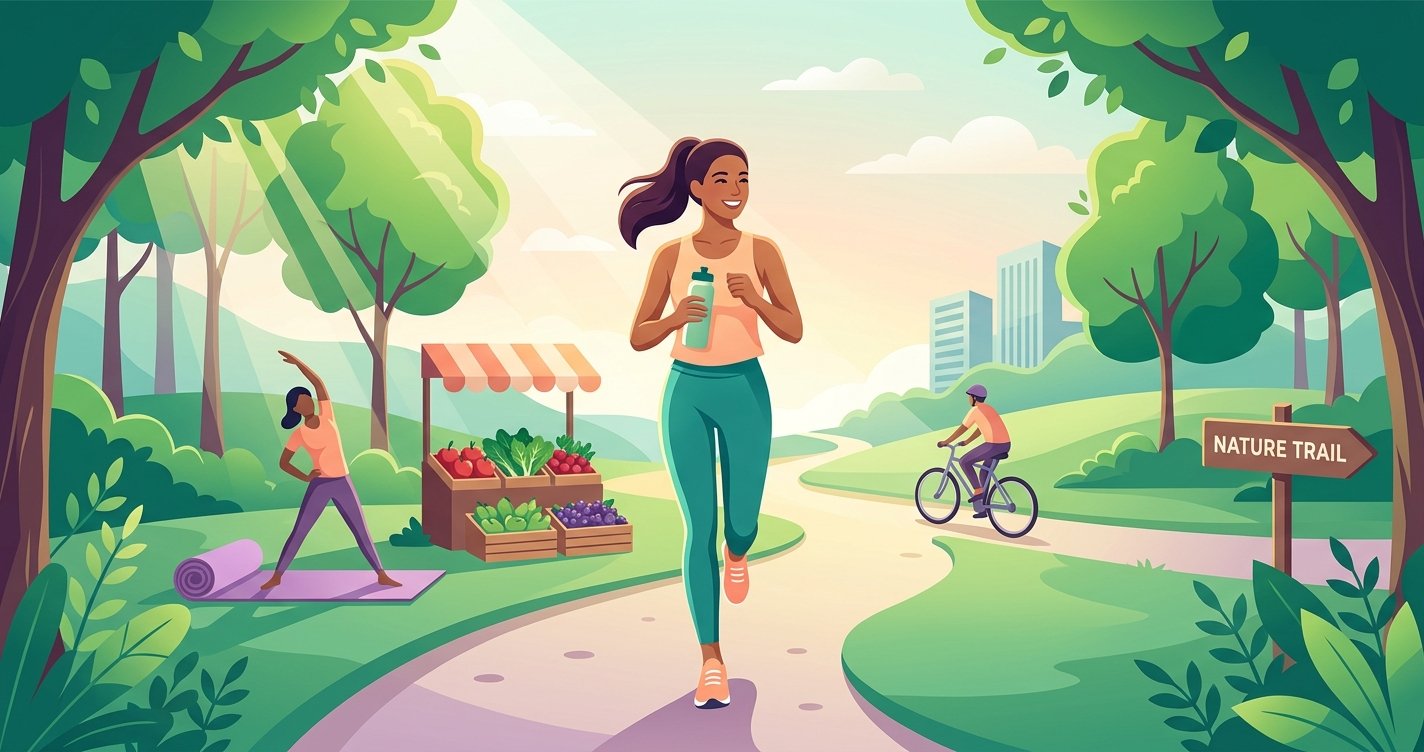
Tired of the Fat Loss Rollercoaster? Discover a Sustainable Path
Are you stuck in a frustrating cycle of extreme diets, endless cardio, and temporary fat loss, only to regain it all (and sometimes more) a few months later? You're not alone. The fitness industry often bombards us with quick fixes and drastic measures, promising rapid results that are rarely sustainable. But what if there was a better way? A path to losing fat that doesn't involve starvation, hours on the treadmill, or sacrificing your favorite foods? Good news: there is. This guide will walk you through an evidence-based, friendly, and encouraging approach to achieving lasting fat loss, focusing on habits you can maintain for life, not just for a season.
We'll dive into practical strategies that prioritize your well-being, energy levels, and long-term success over fleeting results. Get ready to ditch the deprivation mindset and embrace a journey towards a healthier, happier you, where sustainable fat loss becomes a natural outcome of nourishing your body and moving it wisely. this excellent wellness product
The Cornerstone: Understanding Your Calorie Deficit
At its heart, fat loss boils down to a simple scientific principle: you must consistently consume fewer calories than your body expends. This is known as a calorie deficit. Think of your body as a car and calories as fuel. If you put less fuel in than you burn, your car will eventually run out. Similarly, if you eat fewer calories than your body needs for its daily functions and activities, it will start to tap into its stored energy reserves – primarily body fat – to make up the difference.
However, 'simple' doesn't mean 'easy.' The key to sustainable fat loss isn't about drastic cuts that leave you feeling hungry and deprived. It's about finding a moderate, manageable deficit (typically 300-500 calories below your maintenance level) that allows for steady, consistent progress without severely impacting your energy or mood. Tools like online TDEE (Total Daily Energy Expenditure) calculators can give you a starting point, but listening to your body and making small adjustments based on your progress is crucial.
It's Not Just About Less, It's About Smart Choices
While the total number of calories matters, the quality of those calories is equally important for both your health and your ability to stick to a deficit. Filling your plate with nutrient-dense, whole foods like lean proteins, fruits, vegetables, and complex carbohydrates will keep you feeling fuller for longer, provide essential vitamins and minerals, and support overall bodily functions. These foods are generally lower in calories for a larger volume compared to processed snacks, making it easier to maintain your deficit without feeling constantly hungry. Prioritizing whole foods also helps regulate blood sugar, reduce cravings, and improve gut health, all of which contribute positively to your fat loss journey.
Fueling Your Body: The Power of Protein
If there's one macronutrient that deserves special attention for fat loss, it's protein. Often overlooked or underestimated, adequate protein intake is a game-changer for several reasons. It's not just for bodybuilders; it's vital for anyone looking to lose fat effectively and sustainably. Think of protein as your fat loss MVP (Most Valuable Player).
When you're in a calorie deficit, your body might try to break down not just fat, but also muscle tissue for energy. Protein helps protect your precious muscle mass, which is crucial because muscle is more metabolically active than fat, meaning it burns more calories even at rest. Aim for 0.7-1 gram of protein per pound of your target body weight daily, spread across your meals. Excellent sources include lean meats, poultry, fish, eggs, dairy, legumes, and tofu.
Why Protein is Your Fat Loss MVP
- Satiety: Protein is incredibly filling. Eating enough protein helps you feel fuller for longer, reducing overall calorie intake and curbing those pesky cravings.
- Muscle Preservation: As mentioned, protein helps prevent muscle loss during a calorie deficit, ensuring that the weight you lose is primarily fat.
- Thermic Effect of Food (TEF): Protein has the highest TEF among all macronutrients, meaning your body burns more calories digesting and metabolizing protein compared to fats or carbohydrates. This gives you a slight metabolic boost.
- Blood Sugar Control: Protein helps stabilize blood sugar levels, preventing energy crashes and reducing the likelihood of reaching for sugary snacks.
Sculpting Your Physique: The Magic of Strength Training
When people think of fat loss, their minds often jump straight to endless hours of cardio. While cardio has its place, strength training is arguably the most powerful tool in your fat loss arsenal, especially for sustainable, long-term results and a more aesthetically pleasing physique. Don't worry, you won't 'get bulky' unless you're specifically training and eating for it.
Incorporating 2-4 strength training sessions per week (targeting major muscle groups) can transform your body composition. Focus on compound movements like squats, deadlifts, presses, and rows, which engage multiple muscles simultaneously, burning more calories and building more functional strength.
Building Muscle, Boosting Metabolism
Here's why strength training is so effective for fat loss:
- Increased Resting Metabolic Rate (RMR): Muscle tissue is metabolically active. The more muscle you have, the more calories your body burns at rest, even when you're just sitting on the couch. This means your body becomes a more efficient fat-burning machine 24/7.
- EPOC (Excess Post-exercise Oxygen Consumption): After a challenging strength training session, your body continues to burn calories at an elevated rate for hours as it recovers and repairs muscle tissue. This 'afterburn' effect contributes significantly to your overall calorie expenditure.
- Improved Body Composition: While the scale might not always drop dramatically (muscle weighs more than fat by volume), strength training helps you lose inches, look leaner, and feel firmer. You're swapping less dense fat for more dense muscle, creating a more toned and athletic appearance.
- Enhanced Insulin Sensitivity: Regular strength training can improve how your body handles carbohydrates, reducing fat storage and improving overall health.
Cardio Reimagined: Smart Movement, Not Endless Hours
Now, this isn't to say cardio has no place in a sustainable fat loss plan. It absolutely does! Cardiovascular exercise is fantastic for heart health, endurance, stress reduction, and it contributes to your daily calorie expenditure. However, the common misconception is that more cardio equals more fat loss, leading many to spend hours on treadmills, often to their detriment.
For sustainable fat loss, the goal isn't to exhaust yourself with marathon sessions, but to incorporate cardio strategically and enjoyably. This could mean brisk walking, jogging, cycling, swimming, dancing, or hiking. The best cardio is the one you'll actually do consistently.
Finding Your Cardio Sweet Spot
- Low-Intensity Steady State (LISS): Activities like brisk walking for 30-60 minutes are excellent for burning calories, reducing stress, and are easy on the joints. They can be done daily without excessive recovery needs.
- High-Intensity Interval Training (HIIT): Short bursts of intense exercise followed by brief recovery periods (e.g., sprints, burpees). HIIT is very time-efficient, can boost your metabolism, and improve cardiovascular fitness. However, it's more taxing on the body, so 1-3 sessions per week are usually sufficient.
- NEAT (Non-Exercise Activity Thermogenesis): This is perhaps the most underrated form of 'cardio' for fat loss. It refers to all the calories you burn from activities that aren't formal exercise – walking around the house, taking the stairs, fidgeting, gardening, standing at a desk. Increasing your NEAT throughout the day can significantly contribute to your calorie deficit without feeling like a workout. Aim for 8,000-10,000 steps daily.
Beyond the Gym and Plate: Lifestyle Factors for Lasting Success
Sustainable fat loss isn't just about what you eat and how you move; it's a holistic endeavor that deeply intertwines with your lifestyle. Neglecting crucial factors like sleep, stress management, and hydration can sabotage even the most perfectly crafted diet and exercise plan. These elements play a far more significant role than many realize in regulating hormones, energy levels, and overall well-being, all of which directly impact your ability to lose fat and keep it off.
Think of your body as an intricate system. If one part is out of whack, the others will struggle to perform optimally. Prioritizing these often-overlooked lifestyle components will not only accelerate your fat loss but also dramatically improve your quality of life.
The Triple Threat: Sleep, Stress, and Hydration
- Sleep: Your Metabolic Recharge: Inadequate sleep (less than 7-9 hours per night) disrupts hormones like ghrelin (which increases hunger) and leptin (which signals fullness), leading to increased cravings, especially for high-calorie, sugary foods. Poor sleep also elevates cortisol (the stress hormone), promoting fat storage, particularly around the belly. Prioritize a consistent sleep schedule and create a relaxing bedtime routine.
- Stress Management: Taming Cortisol: Chronic stress keeps cortisol levels elevated, which can lead to increased appetite, cravings, and the preferential storage of fat around the midsection. Finding healthy ways to manage stress – meditation, yoga, spending time in nature, hobbies, journaling – is crucial for both mental well-being and fat loss.
- Hydration: The Unsung Hero: Water is essential for every bodily function, including metabolism. Being even mildly dehydrated can slow down your metabolism, impair exercise performance, and make you feel sluggish. Often, thirst is mistaken for hunger, leading to unnecessary snacking. Aim for 8-10 glasses of water daily, more if you're active or in a hot climate. Keep a water bottle handy and sip throughout the day.
Cultivating a Winning Mindset: Patience and Progress
The journey to sustainable fat loss is rarely a straight line. There will be good days and challenging days, weeks where the scale doesn't budge, and moments of frustration. This is where your mindset becomes your most powerful asset. Embracing patience, celebrating small victories, and practicing self-compassion are not just 'nice-to-haves'; they are essential for long-term success.
Forget the idea of perfection. Focus on consistency over intensity, and progress over perfection. Acknowledge that slip-ups are part of the process, learn from them, and get back on track without guilt or self-punishment. The goal is to build sustainable habits, not to achieve flawless execution every single day. Develop a growth mindset, viewing challenges as opportunities to learn and adapt.
Embracing the Journey, Not Just the Destination
- Be Patient: Sustainable fat loss is a marathon, not a sprint. Aim for a healthy, realistic rate of 1-2 pounds of fat loss per week. Consistency over weeks and months will yield far better results than crash dieting for a few days.
- Focus on Habits, Not Just Numbers: Instead of fixating solely on the scale, celebrate new healthy habits you've built – consistently hitting your protein goals, getting your steps in, sleeping better, feeling stronger. These are the true indicators of sustainable progress.
- Practice Self-Compassion: Don't beat yourself up over occasional slip-ups. Treat yourself with the same kindness and understanding you would offer a friend. Acknowledge the setback, learn from it, and gently guide yourself back to your plan. Guilt and shame are counterproductive.
- Find Your 'Why': Connect with your deeper motivation for wanting to lose fat. Is it for better health, more energy, keeping up with your kids, or feeling confident? Remind yourself of this 'why' when motivation wanes.
Your Sustainable Fat Loss Roadmap: Putting It All Together
Bringing all these elements together forms a powerful, sustainable strategy for fat loss. Remember, this isn't about perfection, but about consistent, mindful effort that becomes a natural part of your life. Here's a quick summary of your roadmap:
- Calorie Deficit: Aim for a moderate, sustainable deficit (300-500 calories below maintenance) through mindful eating.
- Prioritize Protein: Consume 0.7-1 gram of protein per pound of target body weight daily to preserve muscle and enhance satiety.
- Embrace Strength Training: Incorporate 2-4 full-body strength sessions per week to build muscle and boost your metabolism.
- Move Smartly: Integrate LISS, HIIT (if appropriate), and focus on increasing NEAT (daily steps) for overall calorie expenditure and cardiovascular health.
- Optimize Lifestyle: Prioritize 7-9 hours of quality sleep, manage stress effectively, and stay well-hydrated throughout the day.
- Cultivate a Positive Mindset: Practice patience, consistency, self-compassion, and celebrate non-scale victories.
Conclusion: Your Healthier, Happier Self Awaits!
Embarking on a sustainable fat loss journey is one of the most empowering decisions you can make for your health and well-being. By focusing on evidence-based strategies, listening to your body, and building habits you can maintain for life, you're not just losing fat – you're gaining energy, confidence, and a stronger, healthier version of yourself. Ditch the quick fixes and embrace the process. Your journey may have its challenges, but with consistency, patience, and a positive mindset, you absolutely have what it takes to achieve lasting results. Start today, one small, sustainable step at a time!