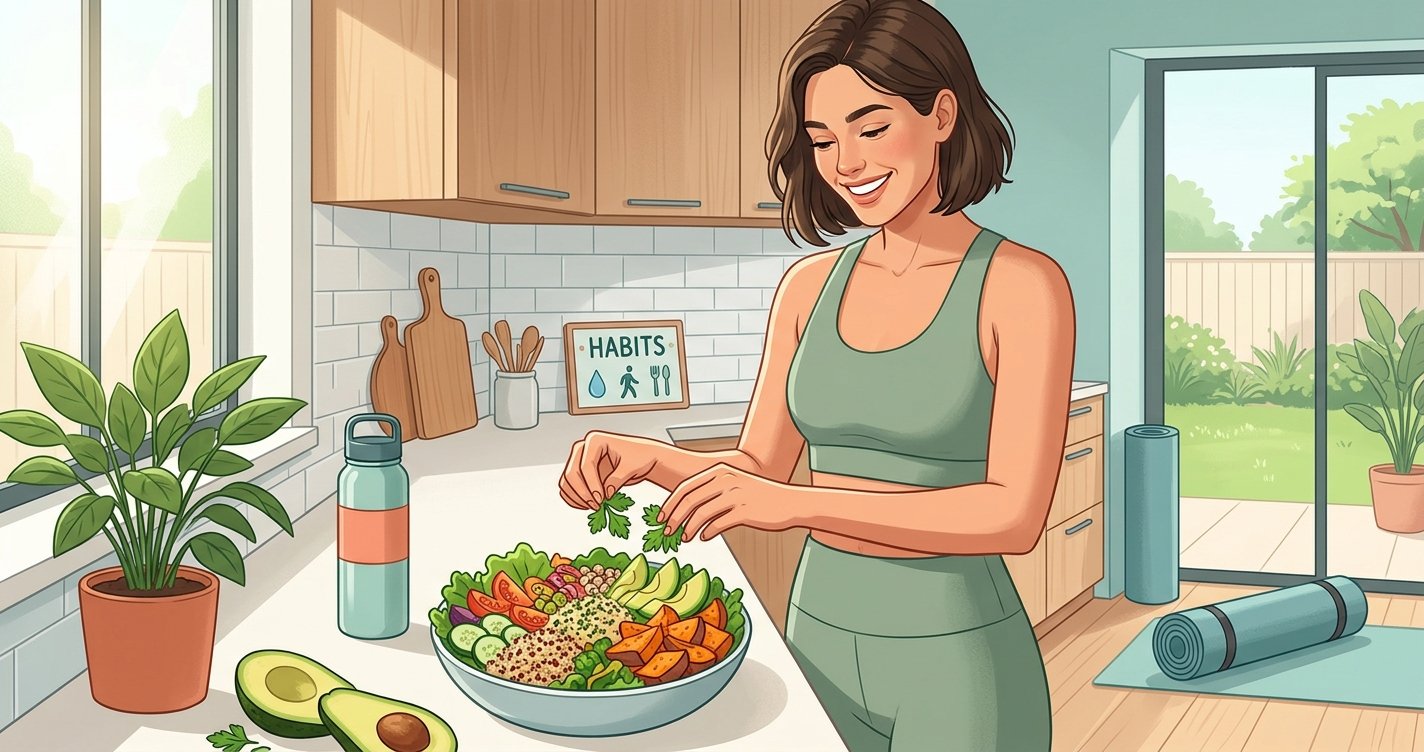
Are you tired of the endless diet rollercoaster? The restrictive meal plans, the intense workouts you can't possibly maintain, the initial drop in weight followed by the inevitable rebound? If this sounds familiar, you're not alone. Millions of people get caught in the cycle of quick-fix diets that promise rapid results but ultimately fail to deliver sustainable fat loss.
The truth is, lasting fat loss isn't about deprivation or extreme measures; it's about empowerment, understanding your body, and building habits you can stick with for life. This isn't just about losing weight; it's about gaining health, energy, and confidence. In this comprehensive guide, we'll dive into the evidence-based strategies for sustainable fat loss, moving beyond the fads to focus on nutrition, exercise, sleep, stress management, and mindset. Let's break free from the cycle and build a healthier, happier you! this excellent wellness product
The Foundation: Understanding Your Calorie Deficit (Without Obsession)
Why a Calorie Deficit Matters
Let's get straight to the scientific core of fat loss: the calorie deficit. Simply put, to lose fat, you must consume fewer calories than your body burns. Your body then turns to its stored fat for energy. This is a fundamental principle of energy balance, and it's non-negotiable for fat loss.
However, understanding this principle doesn't mean you need to obsessively count every single calorie or starve yourself. In fact, extreme deficits are counterproductive, often leading to muscle loss, metabolic slowdown, and an unhealthy relationship with food.
How to Create a Gentle Deficit
The goal is a gentle, sustainable deficit. Aim for a reduction of 300-500 calories per day from your maintenance level. This allows for steady fat loss (typically 1-2 pounds per week) without feeling overly deprived. Here’s how to do it without constant tracking:
- Focus on Whole, Unprocessed Foods: These are naturally more filling and less calorie-dense than highly processed options.
- Be Mindful of Portion Sizes: Especially with calorie-dense foods like nuts, oils, and sauces.
- Listen to Your Body's Hunger Cues: Eat when you're hungry, stop when you're satisfied, not stuffed.
- Prioritize Protein and Fiber: These macronutrients are champions of satiety, helping you feel fuller for longer on fewer calories.
It's about awareness and making smarter choices, not living in a state of constant hunger.
Fueling Your Body: Nutrition for Lasting Results
Your plate is your most powerful tool in the fat loss journey. What you eat impacts not just your calorie intake but also your energy levels, hormone balance, and overall well-being.
The Power of Protein
If there's one macronutrient to prioritize for fat loss, it's protein. Here's why:
- Satiety: Protein is incredibly filling, helping to reduce overall calorie intake by keeping hunger at bay.
- Muscle Preservation: During a calorie deficit, adequate protein intake helps your body hold onto valuable muscle mass, ensuring that the weight you lose is primarily fat.
- Thermic Effect: Protein requires more energy for your body to digest and metabolize compared to carbs or fats, slightly boosting your daily calorie burn.
Aim for 0.8-1 gram of protein per pound of your target body weight. Include lean protein sources like chicken breast, turkey, fish, eggs, Greek yogurt, cottage cheese, lentils, beans, and tofu in every meal.
Embrace Whole Foods: Carbs and Fats Done Right
Carbohydrates and fats are not the enemy; they are essential for energy, hormone function, and nutrient absorption. The key is choosing the right types and appropriate portions.
- Complex Carbohydrates: Opt for whole grains (oats, quinoa, brown rice), fruits, and vegetables. These are rich in fiber, which aids digestion, promotes satiety, and provides sustained energy.
- Healthy Fats: Include sources like avocados, nuts, seeds, olive oil, and fatty fish (salmon). These are crucial for hormone production, nutrient absorption, and also contribute to satiety.
Avoid highly refined sugars and unhealthy trans fats found in many processed snacks. These offer little nutritional value and are often high in calories.
Hydration: An Underrated Fat Loss Ally
Don't underestimate the power of plain old water! Drinking enough water throughout the day can:
- Reduce Hunger: Thirst is often mistaken for hunger. Staying hydrated can prevent unnecessary snacking.
- Boost Metabolism: Water is essential for many metabolic processes.
- Aid Digestion: Proper hydration helps your digestive system function smoothly.
Aim for at least 8 glasses (around 2 liters) of water daily, and even more if you're active.
Moving Your Body: Exercise for More Than Just Burning Calories
While nutrition is paramount, exercise plays a critical role in accelerating fat loss, improving body composition, and boosting overall health and mood.
Strength Training: Your Muscle-Building Secret Weapon
If you're not lifting weights, you're missing out! Strength training is incredibly effective for fat loss because:
- Boosts Metabolism: Muscle is metabolically active, meaning it burns more calories at rest than fat. More muscle = higher resting metabolism.
- Shapes Your Body: It helps sculpt and tone your physique, giving you a strong, lean look.
- Preserves Muscle: During a calorie deficit, strength training signals to your body to hold onto muscle, ensuring that the weight you lose is primarily fat.
Aim for 2-4 strength training sessions per week, focusing on compound movements (squats, deadlifts, presses, rows) that work multiple muscle groups.
Cardio: Find What You Love
Cardiovascular exercise burns calories, improves heart health, and boosts endurance. The best cardio for fat loss is the one you enjoy enough to do consistently!
- High-Intensity Interval Training (HIIT): Short bursts of intense exercise followed by brief recovery periods. Time-efficient and can boost metabolism post-workout.
- Low-Intensity Steady State (LISS): Activities like brisk walking, jogging, cycling, or swimming for longer durations. Great for burning calories without excessive strain.
Walking is an incredibly powerful, accessible, and often underestimated tool for fat loss. Aim for at least 30 minutes most days of the week.
The Magic of NEAT (Non-Exercise Activity Thermogenesis)
Beyond your structured workouts, your daily non-exercise movement plays a significant role. NEAT includes everything from walking to your car, taking the stairs, fidgeting, or standing while working. Increasing your NEAT can significantly boost your daily calorie expenditure without feeling like a workout.
- Take the stairs instead of the elevator.
- Park further away from your destination.
- Stand up and move around every hour if you have a desk job.
- Consider a standing desk.
- Do household chores more vigorously.
These small movements add up to a big difference over time.
Beyond Diet and Exercise: The Lifestyle Pillars
Sustainable fat loss isn't just about what you eat and how you move; it's deeply intertwined with your overall lifestyle. Neglecting these areas can sabotage even the most diligent efforts.
The Crucial Role of Sleep
Lack of sleep is a silent saboteur of fat loss. When you're sleep-deprived:
- Hormone Imbalance: Ghrelin (the hunger hormone) increases, and leptin (the satiety hormone) decreases, making you feel hungrier and less satisfied.
- Increased Cortisol: Sleep deprivation elevates cortisol, the stress hormone, which can promote fat storage, particularly around the belly.
- Reduced Willpower: You're more likely to make poor food choices and skip workouts when tired.
Aim for 7-9 hours of quality sleep per night. Prioritize a consistent sleep schedule and create a relaxing bedtime routine.
Stress Management: Cortisol and Your Waistline
Chronic stress, like sleep deprivation, keeps cortisol levels elevated. This not only encourages fat storage but can also lead to emotional eating and cravings for comfort foods.
Finding healthy ways to manage stress is vital:
- Practice mindfulness or meditation.
- Engage in hobbies you enjoy.
- Spend time in nature.
- Connect with loved ones.
- Practice deep breathing exercises.
Your mental well-being is just as important as your physical health.
Mindful Eating: Listening to Your Body
Mindful eating is not a diet; it's a practice of paying attention to your food and your body's signals. It involves:
- Eating slowly and savoring each bite.
- Paying attention to the taste, texture, and smell of your food.
- Recognizing hunger and fullness cues.
- Eating without distractions (TV, phone).
This practice helps you enjoy your food more, prevents overeating, and fosters a healthier relationship with food.
Building Sustainable Habits: Small Steps, Big Impact
The secret to sustainable fat loss lies in building habits that become second nature. This isn't about perfection; it's about consistency and progress.
Start Small, Be Consistent
Don't try to change everything at once. Overhauling your entire lifestyle overnight is a recipe for overwhelm and eventual failure. Instead, pick one or two small habits to focus on for a few weeks, master them, and then add another.
- Example: Start by adding one extra serving of vegetables to dinner, or commit to a 15-minute walk daily.
Consistency trumps intensity every single time. Small, consistent efforts compound into significant results.
Track Progress (Beyond the Scale)
The scale can be a useful tool, but it doesn't tell the whole story. Weight fluctuates daily due to water retention, hormones, and digestive contents. Focus on a broader range of progress indicators:
- How your clothes fit: This is often a better indicator of fat loss and body composition changes.
- Energy levels: Are you feeling more vibrant and energetic?
- Strength gains: Are you getting stronger in your workouts?
- Mood and mental clarity: Are you feeling more positive and focused?
- Body measurements: Track circumference of waist, hips, arms, etc.
- Progress photos: Visual changes can be incredibly motivating.
Celebrate non-scale victories to stay motivated and recognize your hard work.
Embrace Flexibility, Not Perfection
Life happens. There will be celebrations, holidays, stressful days, and times when you can't stick to your plan perfectly. That's okay! The 'all or nothing' mindset is a common pitfall. One 'off' meal or day does not ruin your progress.
Learn to:
- Practice self-compassion: Don't beat yourself up.
- Get back on track: The next meal, the next day, is a new opportunity to make healthy choices.
- Plan for indulgences: Incorporate your favorite foods in moderation, rather than feeling deprived.
Sustainable fat loss is a marathon, not a sprint. It's about building resilience and learning to navigate life's challenges while still prioritizing your health.
Conclusion: Your Journey to a Healthier, Happier You
Sustainable fat loss is not a temporary fix; it's a journey of self-discovery, habit building, and embracing a healthier lifestyle. By focusing on a gentle calorie deficit, prioritizing protein and whole foods, incorporating enjoyable exercise, optimizing sleep and stress management, and practicing mindful eating, you're not just losing fat – you're building a foundation for lifelong well-being.
Remember, this process takes time, patience, and consistency. There will be ups and downs, but with each small, sustainable habit you build, you're investing in a healthier, happier, and more energetic version of yourself. You have the power to create lasting change. Start today with one small step, and watch how it transforms your life!