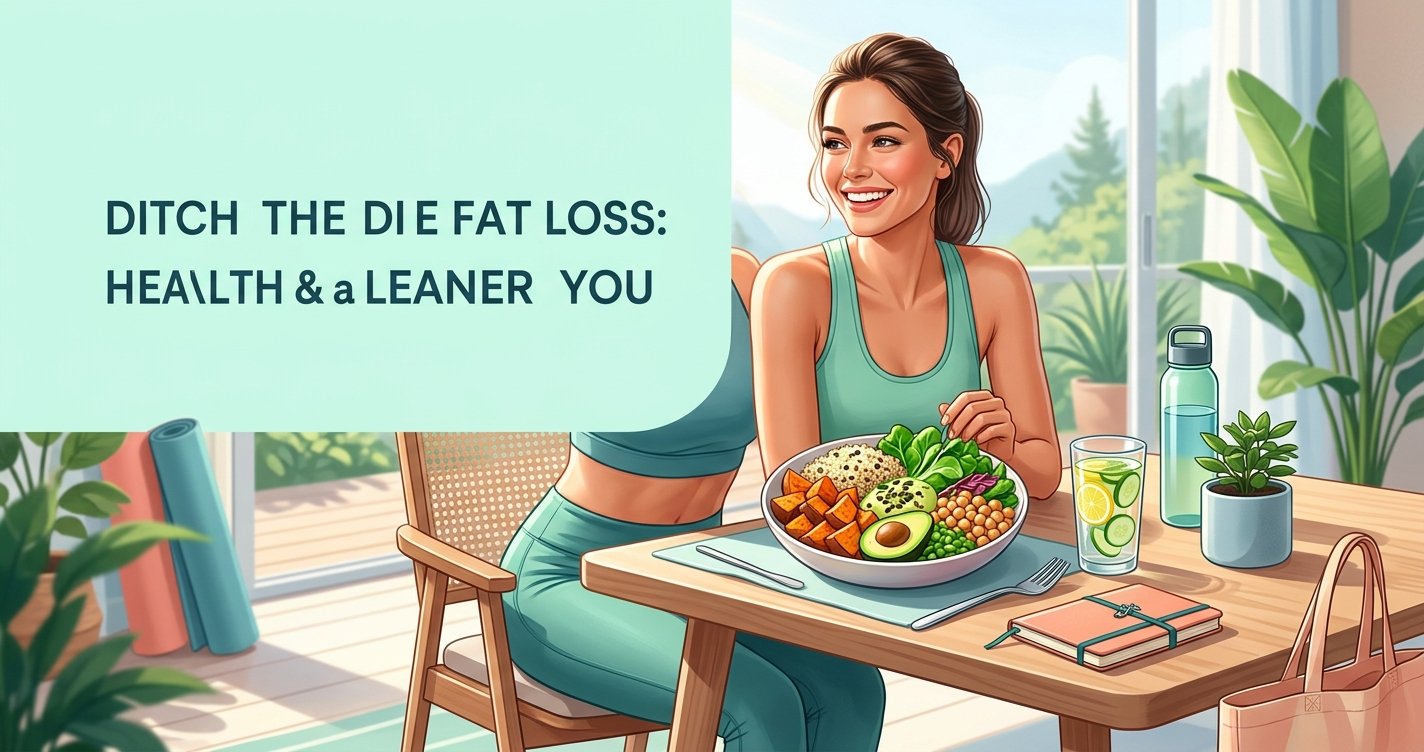
Tired of the Diet Rollercoaster? Discover Sustainable Fat Loss!
If you've ever embarked on a strict diet, lost some weight, only to see it creep back (and often bring friends!), you're not alone. The cycle of restriction, deprivation, and eventual rebound is a common and frustrating experience for millions. Traditional diets often promise quick fixes but fail to address the underlying habits and physiological responses that truly govern our body composition. What if we told you there's a more empowering, effective, and infinitely more enjoyable path to achieving lasting fat loss? It’s not about willpower; it’s about understanding your body and building sustainable habits.
This isn't another fad diet; it's a guide to transforming your relationship with food, movement, and your body, leading to genuine, long-term fat loss. We'll explore evidence-based strategies that focus on consistency, nourishment, and overall well-being, rather than temporary deprivation. this excellent wellness product
Understanding Sustainable Fat Loss: Beyond the Scale
True, sustainable fat loss isn't just about the number on the scale; it's about changing your body composition – reducing fat while preserving or even building lean muscle. While a calorie deficit is fundamental for fat loss (you need to consume fewer calories than you burn), the how you achieve that deficit, and how you support your body's other needs, makes all the difference for long-term success. Sustainable fat loss considers your metabolism, hormones, energy levels, and mental well-being, acknowledging that these are all interconnected.
It's about fostering a lifestyle that naturally promotes a healthy weight, rather than constantly fighting against your body's natural instincts. This holistic approach helps prevent metabolic slowdown, preserves muscle mass, and keeps those pesky hunger hormones in check, making the journey feel less like a battle and more like a gradual, positive evolution.
Pillar 1: Mindful Eating – Reconnecting with Your Body's Wisdom
One of the most powerful tools for sustainable fat loss is learning to listen to your body's signals. Mindful eating means paying attention to your hunger and fullness cues, savoring your food, and understanding why and how you eat. Many diets disconnect us from these internal signals, telling us what, when, and how much to eat, rather than trusting our own bodies.
- Eat Slowly and Savor: It takes about 20 minutes for your stomach to signal fullness to your brain. Slowing down allows your body to register satiety, preventing overeating.
- Tune into Hunger & Fullness: Before eating, ask yourself, “Am I truly hungry?” During your meal, check in: “Am I satisfied, or am I still hungry?” Stop when you're comfortably full, not stuffed.
- Identify Emotional Triggers: Do you eat when stressed, bored, or sad? Acknowledging these patterns is the first step to finding alternative coping mechanisms.
- Minimize Distractions: Turn off the TV, put away your phone. Focus on the taste, texture, and smell of your food.
By practicing mindful eating, you naturally regulate your intake, enjoy your food more, and foster a healthier relationship with what you consume.
Pillar 2: Prioritizing Protein & Fiber for Lasting Satiety
Not all calories are created equal when it comes to satiety and metabolic effect. Protein and fiber are your best friends in the sustainable fat loss journey because they help you feel full, stabilize blood sugar, and support muscle mass.
- Protein Power: Protein is the most satiating macronutrient. It helps reduce appetite, preserve muscle mass during a calorie deficit, and has a higher thermic effect (meaning your body burns more calories digesting it). Aim for 20-30 grams of protein at each main meal.
- Fiber-Rich Goodness: Fiber adds bulk to your meals, slowing digestion and promoting a feeling of fullness. It also supports gut health, which is increasingly linked to weight management. Think fruits, vegetables, legumes, and whole grains.
Food Examples: Lean meats (chicken, turkey, fish), eggs, Greek yogurt, cottage cheese, lentils, beans, quinoa, leafy greens, berries, apples, oats. Building your meals around these components ensures you stay satisfied and nourished, making it easier to stick to your calorie goals without feeling deprived.
Pillar 3: Smart Movement – Beyond Endless Cardio
While cardio has its benefits, focusing solely on it for fat loss can be a misstep. For sustainable fat loss, incorporating a variety of movement, especially strength training, is crucial.
- Strength Training is King: Building and maintaining muscle mass is vital. Muscle is metabolically active, meaning it burns more calories at rest than fat. The more muscle you have, the higher your resting metabolic rate, making fat loss easier in the long run. Aim for 2-3 full-body strength sessions per week.
- Embrace NEAT (Non-Exercise Activity Thermogenesis): This refers to the calories you burn doing everyday activities that aren't formal exercise – walking, fidgeting, taking the stairs, cleaning. These small movements add up significantly throughout the day. Look for opportunities to move more!
- Find Movement You Enjoy: Whether it's dancing, hiking, cycling, or yoga, finding activities you genuinely enjoy makes consistency much easier. Exercise shouldn't feel like a punishment.
A balanced approach combining strength training, regular moderate-intensity activity, and an active lifestyle provides the best foundation for sustained fat loss and overall health.
Pillar 4: The Unsung Heroes – Sleep & Stress Management
Often overlooked, adequate sleep and effective stress management play a monumental role in your body's ability to lose fat. Neglecting these areas can sabotage even the most diligent efforts in diet and exercise.
- The Sleep-Fat Loss Connection: Poor sleep disrupts hormones that regulate appetite. Lack of sleep increases ghrelin (the 'hunger' hormone) and decreases leptin (the 'satiety' hormone), leading to increased cravings, especially for high-calorie, sugary foods. Aim for 7-9 hours of quality sleep per night.
- Taming the Stress Monster: Chronic stress elevates cortisol levels. High cortisol can promote fat storage, particularly around the abdomen, and increase appetite. Finding healthy ways to manage stress – meditation, deep breathing, spending time in nature, hobbies – is critical.
Prioritizing sleep and managing stress isn't just about feeling better; it's a non-negotiable component of a healthy metabolism and successful, sustainable fat loss.
Building Sustainable Habits: Small Changes, Big Impact
The beauty of the sustainable fat loss approach is that it doesn't demand perfection overnight. It encourages gradual, consistent changes that accumulate over time. Think of it as planting seeds for a healthier future rather than trying to instantly harvest a full crop.
- Start Small: Don't overhaul everything at once. Pick one or two areas to focus on first (e.g., adding protein to breakfast, taking a 20-minute walk daily).
- Consistency Over Perfection: It's better to be 80% consistent 100% of the time than 100% perfect 20% of the time. Life happens; a slip-up isn't a failure, it's just a moment to get back on track.
- Track Progress Beyond the Scale: While the scale can be a tool, it doesn't tell the whole story. Pay attention to how your clothes fit, your energy levels, strength gains, improved sleep, and overall mood. These non-scale victories are incredibly motivating and reflect true progress.
- Be Patient and Kind to Yourself: Sustainable change takes time. Celebrate small successes and treat yourself with compassion. This is a journey, not a race.
Your Journey to Lasting Fat Loss Starts Now
Ditching the diet mentality might seem daunting at first, especially if you've been conditioned to seek quick fixes. However, embracing a sustainable, evidence-based approach to fat loss is not only more effective in the long run but also profoundly more liberating. By focusing on mindful eating, prioritizing protein and fiber, engaging in smart movement, and mastering sleep and stress, you're not just losing weight; you're building a foundation for lifelong health and a body that feels strong, nourished, and vibrant.
Remember, this is your unique journey. Be patient, be persistent, and most importantly, be kind to yourself. Start with one small, sustainable change today, and watch as those small steps lead you to lasting results and a healthier, happier you.