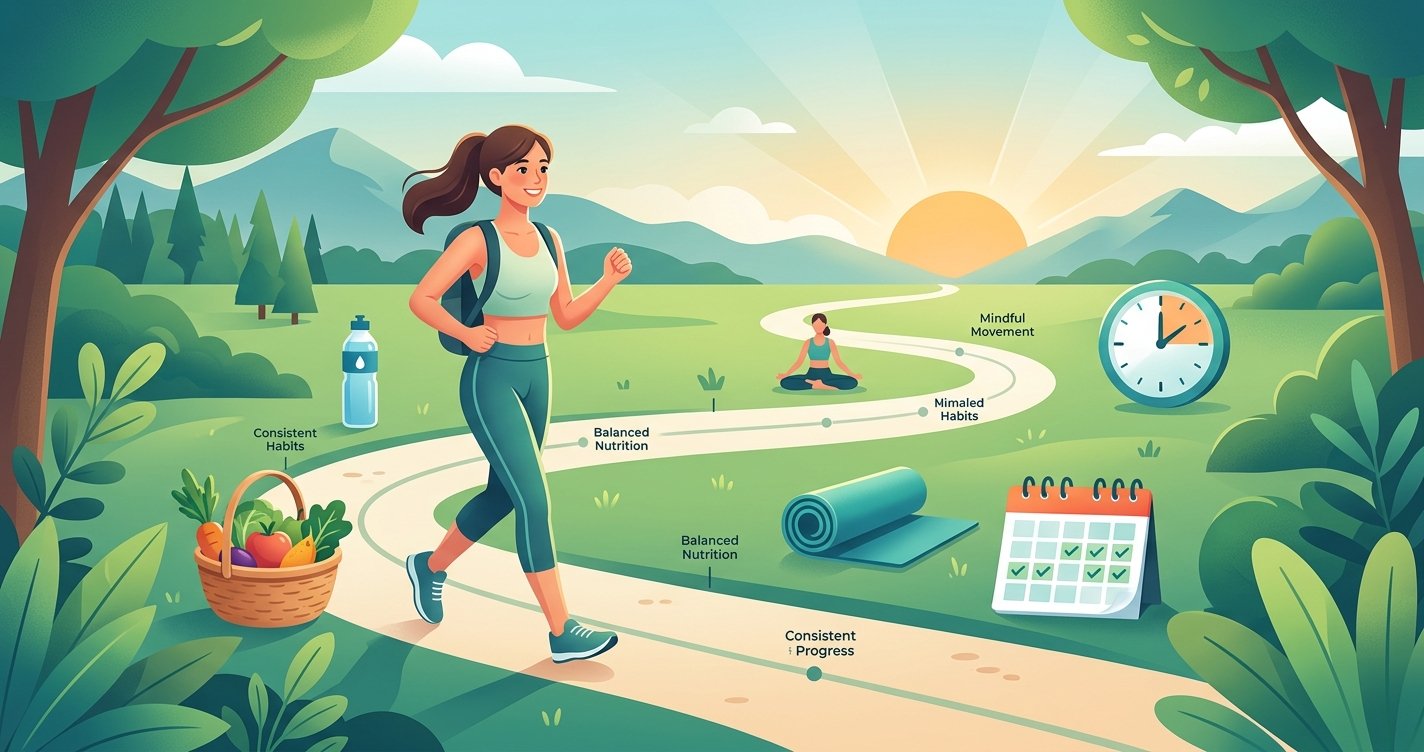
Sustainable Fat Loss: Ditch the Quick Fixes for Lasting Results
Are you tired of the yo-yo diet cycle? Do you dream of achieving fat loss that actually sticks, rather than seeing those pounds creep back on as soon as you stop an extreme diet? You're not alone. In a world saturated with promises of rapid weight loss through miracle pills, restrictive diets, and grueling workout routines, it's easy to get caught up in the allure of a quick fix. However, true, lasting fat loss isn't about speed; it's about sustainability. It's about building habits that serve your body and mind for the long haul.
This post is your guide to understanding why sustainable strategies triumph over fleeting fads. We'll explore the evidence-based pillars of effective fat loss, helping you cultivate a healthier relationship with food, movement, and your body. Get ready to embrace a journey that leads to genuine, maintainable results – not just for a season, but for life. this excellent wellness product
Understanding Sustainable Fat Loss: Why Quick Fixes Fail
The concept of 'quick fix' fat loss is enticing. Who wouldn't want to shed pounds rapidly? The problem is that these methods often come with a high cost to your physical and mental health, and more often than not, the results are temporary. Crash diets, detoxes, and extreme calorie restriction might show initial drops on the scale, but they rarely address the underlying habits and physiological responses that dictate long-term success.
The Problem with Crash Diets and Extreme Workouts
When you drastically cut calories or over-exercise, your body perceives this as a threat. It's designed for survival, and rapid changes trigger adaptive responses that work against your fat loss goals in the long run. Here's what often happens:
- Metabolic Slowdown: Severe calorie restriction can lead to a decrease in your basal metabolic rate (BMR), meaning your body burns fewer calories at rest. This makes it harder to lose fat and easier to regain it once you return to normal eating patterns.
- Muscle Loss: Without adequate protein and resistance training, rapid weight loss often includes a significant amount of muscle mass, not just fat. Muscle is metabolically active, so losing it further slows your metabolism.
- Hormonal Imbalance: Stress from extreme dieting can elevate cortisol levels, a hormone linked to increased fat storage, especially around the abdomen. It can also disrupt hunger-regulating hormones like leptin and ghrelin, making you feel constantly hungry.
- Nutrient Deficiencies: Restrictive diets often lack essential vitamins and minerals, impacting energy levels, immune function, and overall health.
- Unsustainability & Rebound: These methods are simply not enjoyable or practical to maintain indefinitely. Once you 'fall off the wagon,' the restrictive mindset often leads to overeating, and the weight (and often more) comes back, creating a frustrating cycle of failure.
The Pillars of Lasting Fat Loss
Instead of battling your body, let's work with it. Sustainable fat loss is built on a foundation of consistent, moderate changes that nourish your body and mind. Here are the key pillars:
Pillar 1: Smart Nutrition – Fueling Your Body, Not Depriving It
Nutrition is arguably the most critical component of fat loss. However, 'smart nutrition' isn't about deprivation; it's about making informed choices that create a moderate calorie deficit while providing ample nutrients. Focus on whole, unprocessed foods that keep you feeling full and energized.
- Prioritize Protein: Protein is incredibly satiating, helps preserve muscle mass during a calorie deficit, and has a higher thermic effect (meaning your body burns more calories digesting it). Aim for a lean protein source with every meal (chicken, fish, eggs, legumes, tofu, Greek yogurt).
- Embrace Fiber-Rich Foods: Vegetables, fruits, and whole grains are packed with fiber, which aids digestion, promotes satiety, and stabilizes blood sugar levels. They are also nutrient-dense and low in calories.
- Choose Healthy Fats: Don't fear fats! Healthy fats (avocado, nuts, seeds, olive oil) are crucial for hormone production, nutrient absorption, and satiety. Consume them in moderation as they are calorie-dense.
- Hydration is Key: Often overlooked, drinking plenty of water can help with satiety, boost metabolism slightly, and is essential for all bodily functions. Sometimes, thirst is mistaken for hunger.
- Mindful Eating: Pay attention to your body's hunger and fullness cues. Eat slowly, savor your food, and avoid distractions. This helps prevent overeating and fosters a healthier relationship with food.
Pillar 2: Strategic Movement – Beyond Just Cardio
While cardio has its place, it's not the sole answer to fat loss, especially for long-term sustainability. Incorporating a variety of movement, particularly strength training, is crucial for optimizing body composition.
- Strength Training is Your Friend: Building and maintaining muscle mass is vital for a healthy metabolism. More muscle means your body burns more calories at rest. Aim for 2-3 full-body strength training sessions per week, focusing on compound movements (squats, deadlifts, presses, rows).
- Incorporate Cardio for Heart Health: Regular cardiovascular exercise (walking, jogging, cycling, swimming) improves heart health, boosts endurance, and contributes to your calorie deficit. Aim for 150-300 minutes of moderate-intensity cardio or 75-150 minutes of vigorous-intensity cardio per week.
- Move More Throughout the Day: Don't underestimate the power of NEAT (Non-Exercise Activity Thermogenesis). Take the stairs, walk during phone calls, park further away, or stand more. Every bit of movement adds up.
Pillar 3: Prioritizing Recovery and Sleep
Often neglected, recovery and sleep play a profound role in fat loss. When you're constantly stressed or sleep-deprived, your body struggles to function optimally.
- Manage Stress: Chronic stress elevates cortisol, which can promote fat storage, especially around the belly. Find healthy ways to manage stress, such as meditation, yoga, spending time in nature, or hobbies you enjoy.
- Get Enough Quality Sleep: Sleep deprivation disrupts hormones that regulate appetite (ghrelin and leptin), making you hungrier and more prone to cravings for high-calorie, sugary foods. Aim for 7-9 hours of quality sleep per night. Establish a consistent sleep schedule, create a relaxing bedtime routine, and optimize your sleep environment.
Pillar 4: Cultivating a Positive Mindset and Consistency
Fat loss is as much a mental game as it is a physical one. A sustainable approach requires patience, self-compassion, and an understanding that progress isn't always linear.
- Set Realistic Goals: Aim for a gradual and steady fat loss of 1-2 pounds per week. This rate is more likely to be fat, not just water or muscle, and is more sustainable.
- Focus on Habits, Not Just the Scale: While the scale can be a tool, don't let it dictate your self-worth. Celebrate non-scale victories like increased energy, better sleep, stronger lifts, and clothes fitting better.
- Practice Self-Compassion: There will be days when you don't stick to your plan perfectly. Instead of giving up, acknowledge it, learn from it, and get back on track with kindness to yourself.
- Seek Support: Whether it's a friend, family member, coach, or online community, having a support system can make a huge difference in staying motivated and accountable.
Building Your Personalized Sustainable Fat Loss Plan
Ready to start building your lasting fat loss journey? Here’s how to begin:
- Start Small: Don't overhaul everything at once. Pick one or two habits to focus on for a few weeks, like increasing your protein intake or walking for 30 minutes daily. Once those feel natural, add another.
- Track Your Progress: This could be food logging, workout tracking, taking progress photos, or simply noting how your clothes fit. This helps you stay accountable and see how far you've come.
- Educate Yourself: Learn about macronutrients, portion sizes, and the benefits of different exercises. Knowledge empowers you to make better choices.
- Be Patient and Persistent: Sustainable fat loss is a marathon, not a sprint. Celebrate every small victory and view setbacks as learning opportunities, not failures.
- Listen to Your Body: Pay attention to how different foods and exercises make you feel. Adjust your plan based on your energy levels, mood, and recovery.
Embrace the Journey: Your Path to a Healthier You
Ditching the quick fixes and embracing a sustainable approach to fat loss is one of the most empowering decisions you can make for your health. It’s not just about shedding pounds; it’s about cultivating habits that lead to a stronger, healthier, and happier you. Remember, consistency beats intensity every time. Be patient with yourself, celebrate your progress, and trust the process. Your body will thank you for it, and you’ll finally achieve the lasting results you’ve been searching for.