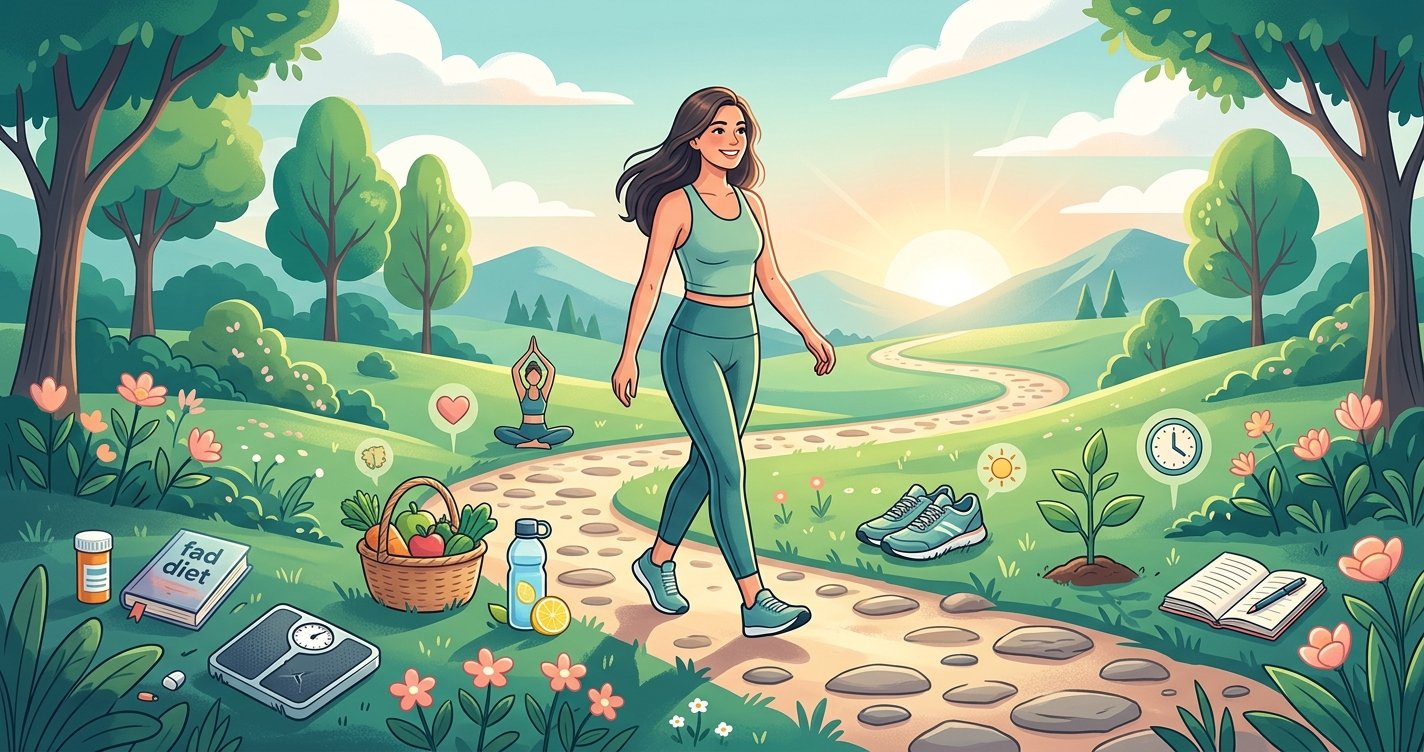
Are you tired of the endless cycle of crash diets and fleeting weight loss? Do you find yourself losing a few pounds, only to gain them back (and sometimes more) a few months later? You're not alone. In a world saturated with 'quick fix' solutions and 'lose X pounds in Y days' promises, it’s easy to get caught in a trap that leads to frustration, burnout, and often, a worse relationship with food and your body. But what if there was a better way? A path to fat loss that not only delivers results but also enhances your overall health, boosts your energy, and is genuinely sustainable for the long haul?
Welcome to the world of sustainable fat loss. This isn't about deprivation or extreme measures; it's about building healthy habits, understanding your body, and making informed choices that support your well-being for years to come. Forget the magic pills and restrictive meal plans. We’re going to explore an evidence-based, encouraging approach to achieving lasting fat loss, transforming not just your physique, but your entire lifestyle. this excellent wellness product
The Pitfalls of Quick Fixes: Why Most Diets Fail Long-Term
The allure of rapid results is powerful, but quick-fix diets often come with a hefty price tag. These approaches typically involve severe calorie restriction, cutting out entire food groups, or relying on unsustainable meal replacements. While you might see initial drops on the scale, much of this early loss is often water weight, not true fat. More importantly, these methods are rarely sustainable and can lead to a host of negative consequences:
- Metabolic Slowdown: Extreme calorie restriction signals to your body that food is scarce, prompting it to conserve energy and slow down your metabolism. This makes it harder to lose weight and easier to regain it once you return to normal eating patterns.
- Nutritional Deficiencies: Eliminating entire food groups can deprive your body of essential vitamins, minerals, and macronutrients vital for optimal health, energy levels, and even hormone balance.
- Muscle Loss: Without adequate protein intake and resistance training, rapid weight loss often includes a significant amount of muscle mass. Muscle is metabolically active tissue, meaning it burns more calories at rest. Losing it further hinders your long-term fat loss efforts.
- Yo-Yo Dieting and Psychological Toll: The restrictive nature of quick fixes often leads to intense cravings, binge eating, and a cycle of losing and regaining weight, known as yo-yo dieting. This can severely damage your relationship with food, foster feelings of guilt and failure, and negatively impact mental well-being.
True sustainable fat loss focuses on a gradual, steady approach that respects your body's physiology and supports your mental health.
Nutrition for Sustainable Fat Loss: Fueling Your Body Smartly
Food is fuel, not the enemy. A sustainable approach to nutrition is about making smart, informed choices that keep you satisfied, energized, and nourished while gently nudging your body towards fat loss. Here’s how to approach it:
Understanding Caloric Balance (Without Obsession)
At its core, fat loss requires a consistent, moderate calorie deficit. This means consuming slightly fewer calories than your body burns. However, this doesn't mean meticulously counting every single calorie forever. Instead, focus on:
- Prioritizing Whole Foods: Base your diet around nutrient-dense, unprocessed foods like lean proteins, vegetables, fruits, whole grains, and healthy fats. These foods are naturally more filling and provide essential nutrients.
- Adequate Protein Intake: Protein is crucial for satiety, preserving muscle mass during fat loss, and has a higher thermic effect (meaning your body burns more calories digesting it). Aim for a good source of protein with every meal (e.g., chicken, fish, eggs, tofu, legumes).
- Fiber-Rich Foods: Found in vegetables, fruits, and whole grains, fiber helps you feel full, aids digestion, and contributes to stable blood sugar levels, preventing energy crashes and cravings.
- Healthy Fats: Don't fear fats! Healthy fats from sources like avocados, nuts, seeds, and olive oil are essential for hormone production, nutrient absorption, and satiety. Just be mindful of portion sizes as they are calorie-dense.
- Hydration: Often overlooked, drinking plenty of water can help with satiety, boost metabolism, and is vital for overall bodily functions. Sometimes, thirst can be mistaken for hunger.
Instead of strict diets, think about sustainable swaps and additions. Can you add more vegetables to your plate? Swap sugary drinks for water? Choose whole grains over refined ones?
Movement That Matters: Exercise for Lasting Results
While nutrition is paramount, incorporating regular physical activity is a powerful accelerator for sustainable fat loss and overall health. It's not about punishing yourself; it's about finding movement you enjoy and can stick with.
The Power of Resistance Training
Lifting weights (or using your body weight) is arguably the most impactful form of exercise for fat loss. Here's why:
- Builds Muscle Mass: As mentioned, muscle burns more calories at rest than fat. The more muscle you have, the higher your resting metabolic rate, making it easier to maintain a calorie deficit.
- Shapes Your Body: Resistance training helps sculpt your physique, giving you a toned, strong appearance.
- Boosts Bone Density: An added benefit, especially important as we age.
Aim for 2-4 resistance training sessions per week, targeting all major muscle groups.
Incorporating Cardiovascular Exercise
Cardio, or aerobic exercise, plays a crucial role too:
- Burns Calories: Directly contributes to your calorie deficit.
- Improves Heart Health: Essential for overall longevity and well-being.
- Boosts Mood: Releases endorphins, reducing stress and improving mental health.
Find activities you genuinely enjoy – walking, jogging, cycling, swimming, dancing, hiking. Aim for 150-300 minutes of moderate-intensity cardio per week, or shorter bursts of higher intensity if preferred.
The Importance of NEAT (Non-Exercise Activity Thermogenesis)
Don't underestimate the power of simply moving more throughout your day. Taking the stairs, parking further away, walking during phone calls, or standing at your desk all add up and contribute significantly to your daily calorie expenditure.
Beyond Diet and Exercise: The Lifestyle Pillars of Fat Loss
Sustainable fat loss isn't just about what you eat and how you move; it's deeply intertwined with your overall lifestyle. Neglecting these areas can sabotage even the most diligent diet and exercise efforts.
Quality Sleep: Your Body's Repair and Regrowth Time
Lack of sleep can wreak havoc on your hormones, specifically increasing ghrelin (the hunger hormone) and decreasing leptin (the satiety hormone). This leads to increased cravings, especially for high-calorie, sugary foods, and makes it harder to stick to your nutrition plan. Aim for 7-9 hours of quality sleep per night.
Stress Management: Taming the Cortisol Beast
Chronic stress elevates cortisol levels, a hormone that can promote fat storage, particularly around the abdominal area. Finding healthy ways to manage stress – whether through mindfulness, meditation, hobbies, or spending time in nature – is crucial for both mental well-being and fat loss.
Consistency and Patience: The Unsung Heroes
Sustainable fat loss is a marathon, not a sprint. There will be good days and challenging days. The key is consistency over perfection. Small, consistent efforts compound over time to create significant, lasting change. Be patient with yourself; your body needs time to adapt and respond.
Cultivating a Fat Loss Mindset: Patience, Persistence, and Self-Compassion
Your mindset is perhaps the most powerful tool in your sustainable fat loss journey. Without the right mental approach, even the best strategies can crumble.
- Set Realistic Goals: Aim for a healthy, gradual fat loss of 0.5-1% of your body weight per week. This rate is generally sustainable and helps preserve muscle mass.
- Focus on Habits, Not Just the Scale: Celebrate non-scale victories – increased energy, stronger lifts, better sleep, clothes fitting differently, improved mood. These indicate true progress.
- Embrace Imperfection: Life happens. You'll have off days, indulge occasionally, or miss a workout. Don't let one slip-up derail your entire journey. Learn from it, get back on track, and move forward with self-compassion.
- Positive Self-Talk: Be kind to yourself. Replace negative self-talk with encouragement and belief in your ability to make healthy choices.
- Seek Support: Whether it's a friend, family member, coach, or online community, having a support system can make a huge difference in staying motivated and accountable.
Building Your Sustainable Fat Loss Roadmap: Practical Steps
Ready to ditch the quick fixes and embark on a journey towards lasting health and a body you love? Here are some actionable steps:
- Audit Your Current Habits: Without judgment, identify areas where you can make small, sustainable changes (e.g., swapping a sugary drink, adding a vegetable, taking a 15-minute walk).
- Prioritize Protein & Fiber: Ensure every meal has a lean protein source and plenty of vegetables.
- Start Moving Consistently: Begin with 2-3 resistance training sessions per week and aim for daily walks. Gradually increase intensity and duration as you get stronger.
- Optimize Sleep: Create a consistent sleep schedule and a relaxing bedtime routine.
- Practice Stress Reduction: Incorporate daily activities that help you de-stress.
- Stay Hydrated: Keep a water bottle handy and sip throughout the day.
- Be Patient & Persistent: Understand that progress isn't linear. Celebrate small victories and learn from setbacks.
Conclusion: Your Journey to Lasting Change
Embarking on a journey of sustainable fat loss is a commitment to yourself – to your health, your energy, and your overall well-being. It's about moving away from the fleeting promises of quick fixes and embracing a lifestyle that truly supports you. By focusing on balanced nutrition, consistent movement, quality sleep, stress management, and a positive mindset, you're not just losing fat; you're building a stronger, healthier, and happier you for the long term. Remember, every small, consistent step forward is progress. You’ve got this!