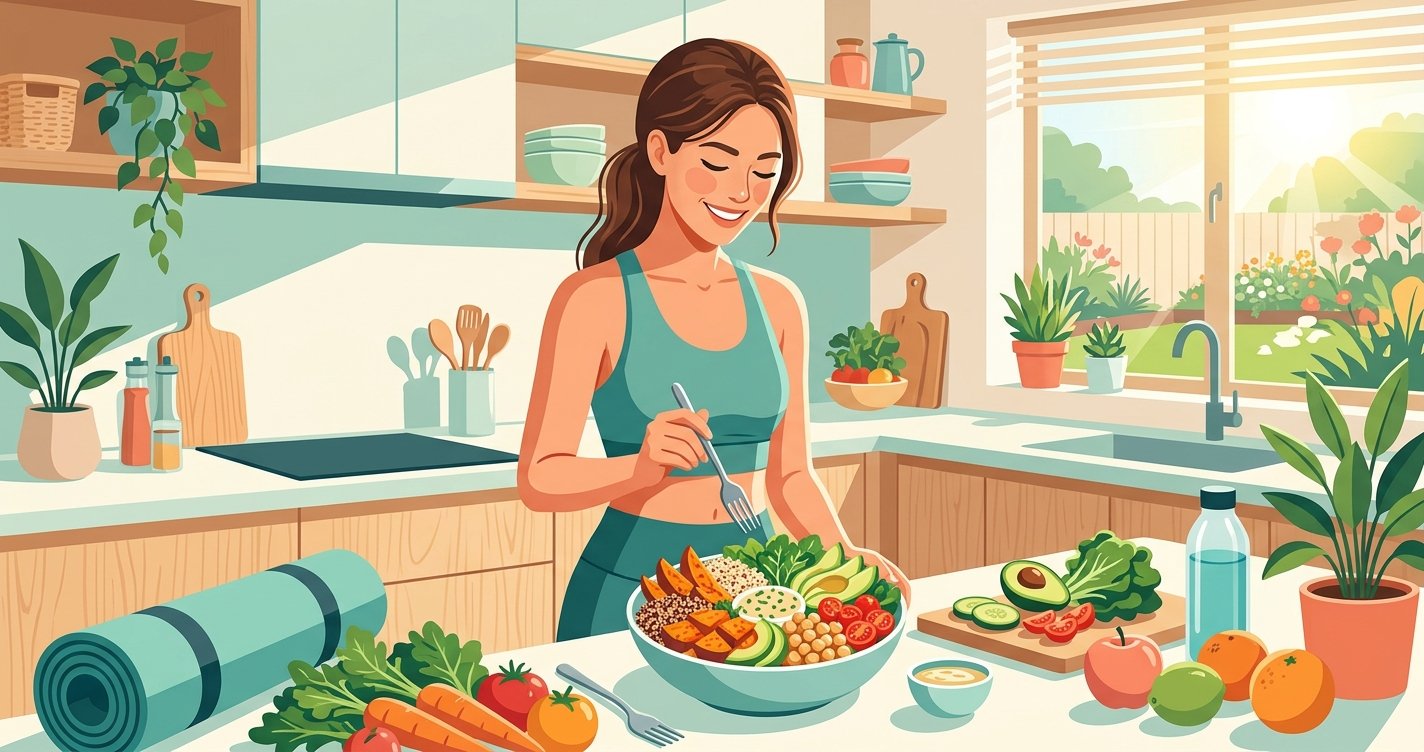
Sustainable Fat Loss: Ditching the Crash Diets for Lasting Results
Are you tired of the endless cycle of crash diets, quick fixes, and the inevitable rebound? You're not alone. In a world saturated with promises of rapid weight loss, it's easy to fall into the trap of restrictive eating plans that leave you feeling deprived, exhausted, and ultimately, frustrated. But what if there was a better way? A path to fat loss that's not only effective but also sustainable, enjoyable, and kind to your body?
This post is your guide to understanding how to achieve genuine, long-term fat loss without sacrificing your sanity or health. We'll dive into evidence-based strategies, debunk common myths, and equip you with the knowledge to build habits that stick. Get ready to transform your approach to fat loss, once and for all. this excellent wellness product
Why Quick Fixes Fail (and What Really Works)
The allure of losing 10 pounds in a week is undeniable, but the reality is often disappointing. Crash diets, characterized by extreme calorie restriction or eliminating entire food groups, might show initial results, but they come at a steep cost. Your body is smart; when it senses starvation, it slows down your metabolism to conserve energy. This makes it harder to lose fat, and easier to regain it once you return to normal eating patterns. Worse, extreme diets often lead to muscle loss, which is counterproductive since muscle tissue burns more calories at rest than fat tissue.
The fundamental principle of fat loss is creating a caloric deficit: consuming fewer calories than your body burns. However, the 'how' matters immensely. A sustainable deficit is moderate (typically 300-500 calories below maintenance) and focuses on nutrient-dense foods. This approach allows your body to tap into fat stores for energy while preserving precious muscle mass and keeping your metabolism humming along. It's not about eating less; it's about eating smarter.
The Power of Protein: Your Fat Loss Ally
If there's one macronutrient that deserves a spotlight in your fat loss journey, it's protein. Protein is a true superstar for several reasons:
- Satiety: Protein is incredibly filling. Including adequate protein in your meals helps you feel fuller for longer, reducing the urge to snack unnecessarily and making it easier to adhere to your caloric goals.
- Thermic Effect of Food (TEF): Your body expends energy to digest, absorb, and metabolize food. Protein has the highest TEF, meaning you burn more calories digesting protein compared to fats or carbohydrates.
- Muscle Preservation: When you're in a caloric deficit, your body might try to break down muscle for energy. A higher protein intake helps to signal your body to hold onto muscle tissue, ensuring that the weight you lose is primarily fat.
How much protein?
Aim for roughly 0.7-1 gram of protein per pound of your target body weight. Excellent sources include lean meats (chicken, turkey, beef), fish, eggs, dairy (Greek yogurt, cottage cheese), legumes, and plant-based protein powders.
Don't Fear the Fats (The Right Ones, Anyway!)
For decades, fat was demonized as the primary culprit behind weight gain. We now know that healthy fats are essential for overall health and play a crucial role in sustainable fat loss. They are vital for hormone production, nutrient absorption (especially fat-soluble vitamins like A, D, E, and K), and provide a concentrated source of energy.
More importantly, fats contribute significantly to satiety. Including healthy fats in your meals can help keep hunger at bay, preventing those nagging cravings that often derail progress. The key is choosing the right types of fats:
- Monounsaturated Fats: Avocados, olive oil, nuts (almonds, cashews, pecans).
- Polyunsaturated Fats: Fatty fish (salmon, mackerel), walnuts, flaxseeds, chia seeds. These include essential omega-3 fatty acids, which have anti-inflammatory benefits.
Limit saturated fats found in processed foods and excessive amounts of red meat, and completely avoid trans fats, which are harmful to your heart health. Remember, while healthy, fats are calorie-dense, so moderation is still important for managing your overall caloric intake.
Carbs: Friend or Foe? Finding Your Balance
Carbohydrates often get a bad rap in the fat loss world, leading many to drastically cut them out. However, carbohydrates are your body's preferred source of energy. Eliminating them entirely can leave you feeling sluggish, irritable, and can even hinder your workout performance.
The secret lies in distinguishing between different types of carbohydrates:
- Complex Carbohydrates: These are your friends! Found in whole grains (oats, brown rice, quinoa), vegetables, and fruits, complex carbs are rich in fiber. Fiber slows down digestion, provides sustained energy, helps regulate blood sugar levels, and contributes to satiety.
- Simple/Refined Carbohydrates: These are found in sugary drinks, white bread, pastries, and candy. They offer little nutritional value, cause rapid spikes in blood sugar, and contribute to energy crashes and increased cravings.
Instead of eliminating carbs, focus on consuming whole, unprocessed sources. The amount of carbohydrates that works best for you can be highly individual, depending on your activity level and metabolic health. Experiment to find a balance that fuels your body without hindering your fat loss goals.
Beyond the Plate: Movement, Sleep, and Stress
While nutrition forms the bedrock of fat loss, it's only one piece of the puzzle. Your lifestyle choices significantly impact your body's ability to shed fat and maintain a healthy weight.
Move Your Body (Beyond the Treadmill!)
Exercise is crucial, but it's not just about burning calories during your workout. Incorporate a mix of:
- Strength Training: Lifting weights builds and preserves muscle mass, which is key for a higher resting metabolism. Aim for 2-4 sessions per week.
- Cardio: Activities like walking, jogging, cycling, or swimming improve cardiovascular health and contribute to your caloric deficit.
- NEAT (Non-Exercise Activity Thermogenesis): This includes all the movement you do outside of structured exercise – walking more, taking the stairs, fidgeting. These small movements add up!
Prioritize Quality Sleep
Lack of sleep wreaks havoc on your hormones. It increases ghrelin (the hunger hormone) and decreases leptin (the satiety hormone), making you feel hungrier and less satisfied. It also elevates cortisol, a stress hormone that can promote fat storage, especially around the belly. Aim for 7-9 hours of quality sleep per night.
Manage Your Stress Levels
Chronic stress, like sleep deprivation, leads to elevated cortisol levels. This not only encourages fat storage but can also trigger emotional eating as a coping mechanism. Find healthy ways to manage stress: meditation, yoga, spending time in nature, hobbies, or connecting with loved ones. Your mental well-being is intrinsically linked to your physical health.
The Mindset Shift: Patience, Consistency, and Self-Compassion
Perhaps the most challenging, yet most important, aspect of sustainable fat loss is cultivating the right mindset. Fat loss is not a linear journey; there will be plateaus, setbacks, and moments of frustration. This is normal.
- Patience is a Virtue: Real, lasting change takes time. Focus on making small, consistent improvements rather than seeking immediate perfection. Celebrate the non-scale victories, like increased energy, better sleep, or clothes fitting differently.
- Consistency Over Perfection: One 'bad' meal or missed workout won't derail your entire progress. What matters most is your overall consistency. Get back on track with your next meal or workout without guilt or self-blame.
- Practice Self-Compassion: Treat yourself with the same kindness and understanding you would offer a friend. Recognize that you're building new habits and learning along the way. Be gentle with yourself through the process.
Shift your focus from deprivation to nourishment, from quick fixes to long-term health, and from punishment to self-care. This journey is about building a healthier, stronger you, inside and out.
Embrace Your Sustainable Fat Loss Journey
Ditching the crash diets for good means embracing a holistic approach to your health. It means understanding that fat loss is a marathon, not a sprint, and that true success comes from consistent, enjoyable habits that you can maintain for life. Focus on nutrient-dense whole foods, prioritize protein, don't fear healthy fats or complex carbs, move your body, get enough sleep, and manage your stress.
This isn't just about a number on the scale; it's about gaining energy, improving your mood, enhancing your overall well-being, and building a body that feels strong and vibrant. Start small, be consistent, be patient, and most importantly, be kind to yourself. Your sustainable fat loss journey begins now, and it's going to be worth every step.