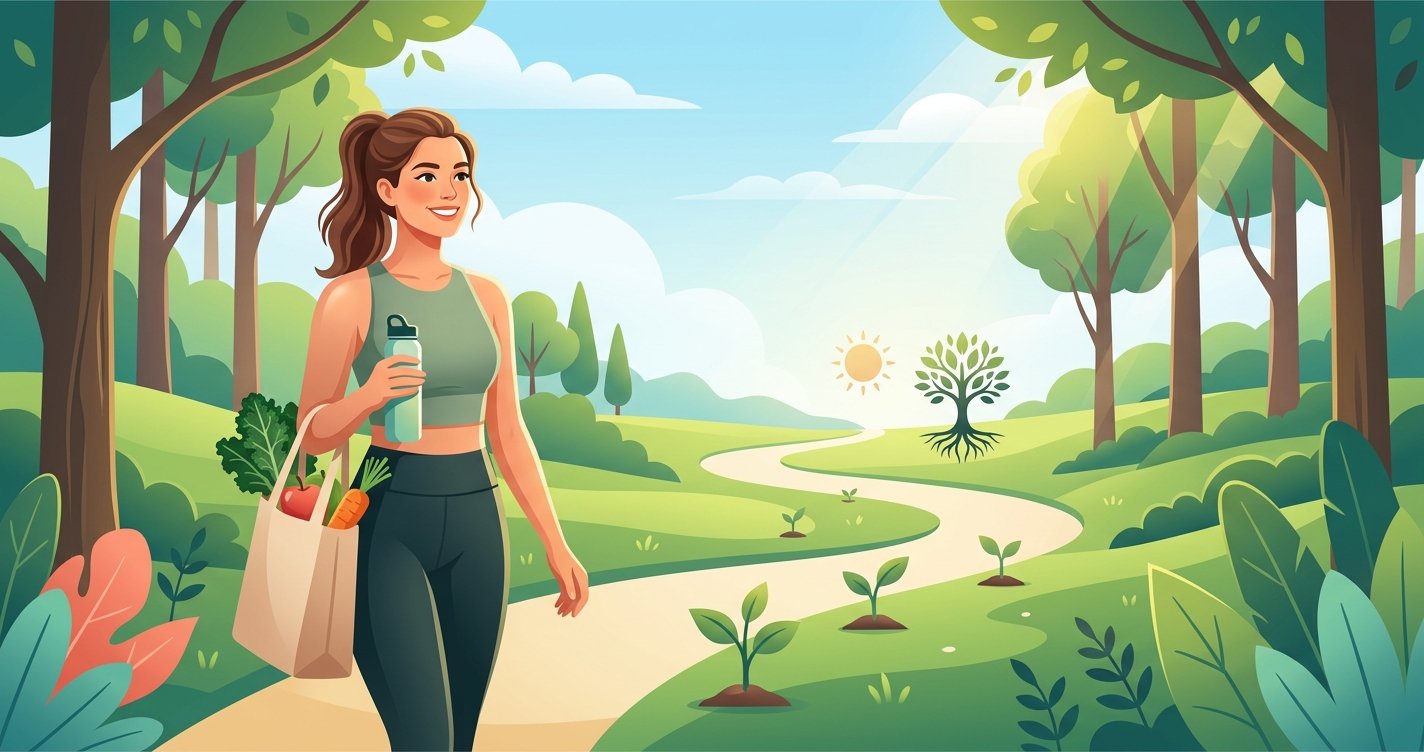
Tired of the Fat Loss Rollercoaster? Discover Sustainable Strategies!
In a world obsessed with instant gratification, it's easy to fall prey to the allure of 'quick fix' fat loss solutions. From restrictive diets promising rapid drops on the scale to grueling workout routines that leave you depleted, the market is saturated with options designed for speed, not sustainability. But what if we told you there's a better way? A path to fat loss that not only helps you shed unwanted pounds but also enhances your overall health, boosts your energy, and creates habits you can actually stick to for life?
This isn't about deprivation or extreme measures. It's about understanding your body, nourishing it wisely, moving it joyfully, and cultivating a mindset that supports long-term success. If you're ready to step off the fat loss rollercoaster and embrace a journey that truly transforms, you're in the right place. Let's dive into the evidence-based strategies for sustainable fat loss. this excellent wellness product
Why Quick Fixes Fail (And Why That's Okay!)
The appeal of losing 10 pounds in a week is undeniable. However, these rapid results often come at a steep cost. Most quick-fix diets severely restrict calories or entire food groups, leading to immediate weight loss – much of which is often water and muscle, not just fat. While the scale might look good initially, this approach is rarely sustainable for several key reasons:
- Metabolic Adaptation: Your body is incredibly smart. When calorie intake drops dramatically, your metabolism can slow down to conserve energy, making further fat loss harder. This is often referred to as 'starvation mode' by some, but it's a real physiological response to perceived scarcity.
- Nutrient Deficiencies: Extreme diets can rob your body of essential vitamins, minerals, and macronutrients, leading to fatigue, irritability, hair loss, and compromised immune function.
- Unsustainable Habits: Can you really eat only cabbage soup for the rest of your life? Quick fixes are often so restrictive they're impossible to maintain, leading to a rebound effect where lost weight (and sometimes more) is regained once the diet ends. This 'yo-yo dieting' cycle is detrimental to both physical and mental health.
- Psychological Toll: The constant struggle, the feeling of failure when you 'break' the diet, and the obsession with food can lead to disordered eating patterns, anxiety, and a negative relationship with your body.
Understanding these pitfalls isn't about self-blame; it's about empowering yourself with knowledge. It’s okay if past attempts haven’t worked out – it means the methods were flawed, not you!
The Pillars of Sustainable Fat Loss: A Holistic Approach
True, lasting fat loss isn't just about eating less and moving more. It's a holistic endeavor that integrates several key areas of your life. Think of these as the foundational pillars supporting your journey:
- Smart Nutrition: Fueling your body adequately with nutrient-dense foods.
- Effective Movement: Incorporating enjoyable physical activity into your routine.
- Quality Sleep: Prioritizing rest for hormonal balance and recovery.
- Stress Management: Learning to cope with life's pressures without turning to food.
- Mindset & Patience: Cultivating a positive outlook and understanding that progress isn't always linear.
Let's explore each pillar in more detail.
Nutrition That Nourishes: Building a Sustainable Plate
When it comes to nutrition for fat loss, the goal isn't deprivation; it's optimization. While a moderate calorie deficit is necessary for fat loss, the source of those calories matters immensely.
- Prioritize Protein: Protein is king for fat loss. It's highly satiating, meaning it keeps you feeling fuller for longer, reducing overall calorie intake. It also helps preserve muscle mass during a deficit, which is crucial for a healthy metabolism. Aim for a good source of protein at every meal (e.g., lean meats, fish, eggs, legumes, tofu).
- Embrace Fiber-Rich Foods: Found in fruits, vegetables, whole grains, and legumes, fiber adds bulk to your meals, aiding satiety and promoting healthy digestion. These foods are generally low in calories and packed with essential nutrients.
- Choose Healthy Fats: Don't fear fats! Healthy fats (from avocados, nuts, seeds, olive oil) are vital for hormone production, nutrient absorption, and satiety. Just be mindful of portion sizes as they are calorie-dense.
- Hydrate, Hydrate, Hydrate: Often overlooked, adequate water intake is crucial. Sometimes, your body confuses thirst for hunger. Drinking water before meals can also help you feel fuller.
- Mindful Eating: Pay attention to your body's hunger and fullness cues. Eat slowly, savor your food, and put away distractions. This can help you recognize when you're truly satisfied, preventing overeating.
- Sustainable Calorie Deficit: Instead of extreme cuts, aim for a moderate deficit (e.g., 300-500 calories below your maintenance) that you can comfortably maintain. This allows for steady, consistent fat loss without triggering metabolic slowdown.
Move Your Body, Love Your Life: Smart Exercise for Fat Loss
Exercise isn't just about burning calories; it's about building strength, improving cardiovascular health, boosting mood, and increasing your overall energy expenditure.
- Strength Training is Key: Don't skip the weights! Building muscle mass is incredibly beneficial for fat loss. Muscle is metabolically active, meaning it burns more calories at rest than fat tissue. Aim for 2-3 full-body strength training sessions per week.
- Cardio for Heart Health & Calorie Burn: Incorporate moderate-intensity cardio (like brisk walking, jogging, cycling, swimming) for 150-300 minutes per week. Find activities you enjoy to ensure consistency.
- NEAT (Non-Exercise Activity Thermogenesis): This is the energy you burn doing everything that isn't formal exercise or sleeping. Think walking to the store, taking the stairs, fidgeting, gardening. Increasing your NEAT throughout the day can significantly contribute to your calorie expenditure.
- Listen to Your Body: Rest and recovery are just as important as the workouts themselves. Overtraining can lead to fatigue, injury, and increased stress hormones, hindering fat loss.
The Unsung Heroes: Sleep and Stress Management
You can eat perfectly and exercise diligently, but if your sleep is poor and your stress levels are through the roof, fat loss can become an uphill battle. These often-overlooked factors have a profound impact on your hormones, which in turn regulate hunger, satiety, and fat storage.
- Prioritize Sleep: Aim for 7-9 hours of quality sleep per night. Lack of sleep disrupts hunger-regulating hormones: it increases ghrelin (the hunger hormone) and decreases leptin (the satiety hormone). It also elevates cortisol, a stress hormone that can promote fat storage, especially around the midsection.
- Manage Stress Effectively: Chronic stress keeps cortisol levels elevated, making fat loss difficult. Find healthy ways to manage stress, such as meditation, deep breathing exercises, spending time in nature, journaling, or engaging in hobbies. Avoid emotional eating as a coping mechanism.
Mindset Matters: Cultivating Patience and Self-Compassion
Perhaps the most challenging, yet crucial, aspect of sustainable fat loss is cultivating the right mindset. This isn't a race; it's a marathon.
- Patience is a Virtue: Fat loss is a gradual process. There will be plateaus, and there will be weeks where the scale doesn't move. Trust the process, stay consistent, and remember your long-term goals.
- Celebrate Small Victories: Acknowledge every positive change, no matter how small. Did you choose water over soda? Did you go for a walk when you felt like sitting? These small wins build momentum and reinforce positive habits.
- Practice Self-Compassion: Don't beat yourself up over occasional slip-ups. One 'bad' meal or missed workout doesn't derail your entire journey. Learn from it, forgive yourself, and get back on track.
- Focus on Health, Not Just the Scale: Shift your focus from a number on the scale to how you feel, your energy levels, your strength, and your overall well-being. When you prioritize health, fat loss often follows naturally.
Your Sustainable Fat Loss Journey Starts Now
Ditching the quick fixes and embracing a sustainable approach to fat loss is one of the best investments you can make in yourself. It's not just about looking better; it's about feeling better, having more energy, and building a healthier relationship with food and your body that lasts a lifetime.
Remember, consistency trumps perfection. Start small, make one change at a time, and build habits that integrate seamlessly into your life. You have the power to create lasting change, one mindful choice at a time. Embrace the journey, be kind to yourself, and celebrate every step of your progress towards a healthier, happier you!