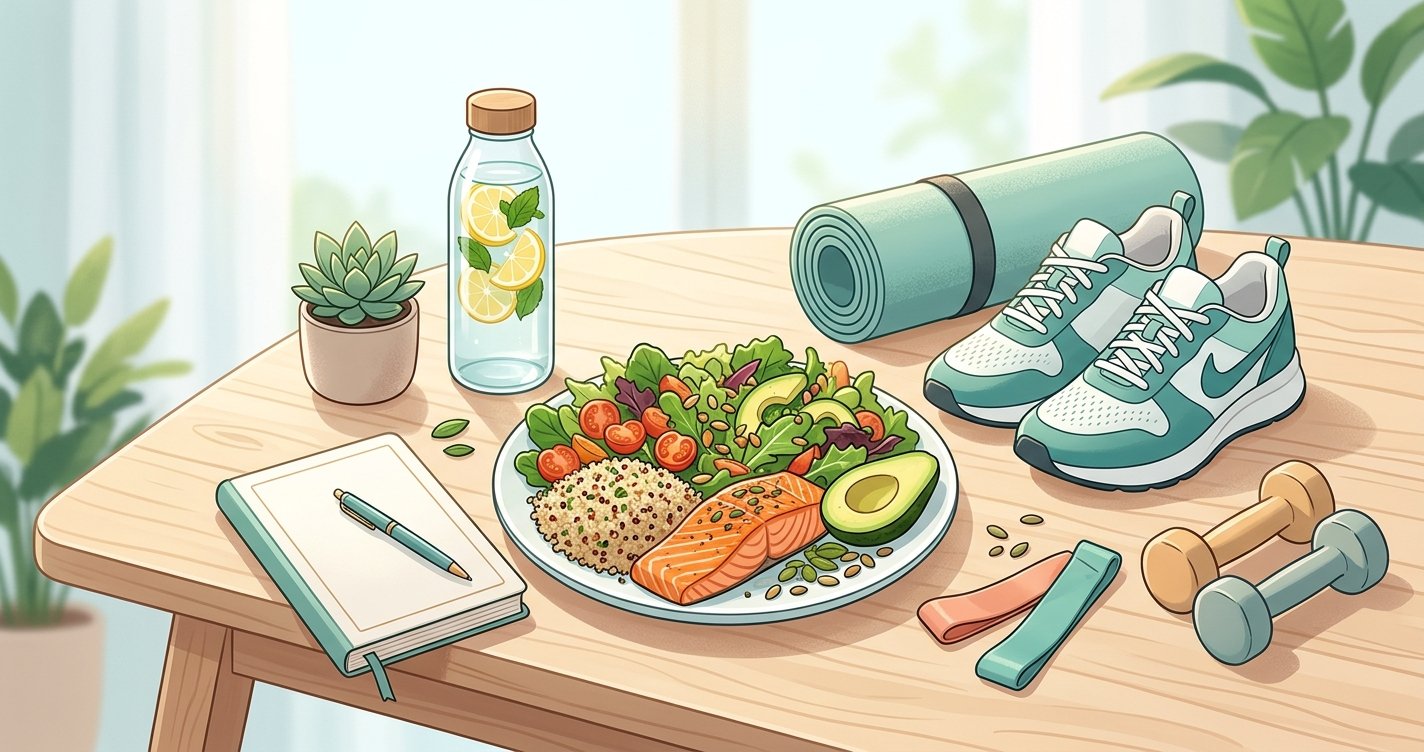
Tired of the Yo-Yo? Discover the Secrets to Sustainable Fat Loss
In a world obsessed with instant gratification and "lose weight fast" promises, it's easy to get caught in a cycle of crash diets, extreme workouts, and ultimately, disappointment. You've probably tried them all – the juice cleanses, the no-carb rules, the endless cardio sessions. While these methods might offer a fleeting drop on the scale, they rarely deliver sustainable fat loss. More often than not, they leave you feeling deprived, frustrated, and right back where you started, if not heavier.
But what if there was a better way? A path to a leaner, healthier you that doesn't involve suffering, restriction, or giving up your favorite foods forever? The good news is, there is! This comprehensive guide will empower you with evidence-based strategies to achieve healthy weight loss that lasts. We’re talking about building habits, understanding your body, and creating a lifestyle that supports your goals, rather than fighting against them. Let’s ditch the quick fixes and embark on a journey towards long-term fat loss success. this excellent wellness product
The Core Principles of Fat Loss: More Than Just Calories In, Calories Out
At its heart, fat loss boils down to a fundamental concept: a calorie deficit. This means consuming fewer calories than your body expends. While this equation is scientifically sound, understanding how to achieve it sustainably, and what factors influence it, is where the real magic happens.
- Energy Balance: Your body constantly burns calories for basic functions (breathing, circulation) – your Basal Metabolic Rate (BMR) – and for physical activity. To lose fat, you need to consistently consume slightly less than your Total Daily Energy Expenditure (TDEE).
- Macronutrient Matters: While total calories are key, the composition of those calories is crucial for muscle preservation and satiety. Adequate protein intake is vital to protect your existing muscle mass during a deficit, which helps keep your metabolism humming. Carbohydrates provide energy, and healthy fats are essential for hormone production and nutrient absorption.
- The Role of Muscle: Muscle tissue is metabolically active, meaning it burns more calories at rest than fat tissue. Building and maintaining muscle is a powerful ally in your fat loss journey, making your body more efficient at burning calories even when you’re not exercising.
It’s not just about deprivation; it’s about smart energy management and nutrient timing.
Crafting Your Nutrition Strategy for Sustainable Fat Loss
Forget restrictive diets that demonize entire food groups. A sustainable fat loss nutrition plan is about nourishing your body, not punishing it.
Focus on Whole, Unprocessed Foods
Prioritize foods that come from nature, not a factory. Think lean proteins (chicken, fish, tofu, beans), an abundance of vegetables, fruits, whole grains (oats, brown rice, quinoa), and healthy fats (avocado, nuts, seeds, olive oil). These foods are rich in nutrients, fiber, and water, which promote satiety and keep you feeling fuller for longer.
Master Protein Intake
Protein is your best friend for fat loss. It has a higher thermic effect (meaning your body burns more calories digesting it), helps preserve muscle mass, and is incredibly satiating. Aim for 0.7-1 gram of protein per pound of body weight daily, distributed across your meals.
Embrace Fiber and Healthy Fats
Fiber, found in fruits, vegetables, and whole grains, aids digestion, stabilizes blood sugar, and contributes to fullness. Healthy fats are crucial for hormone regulation and overall health. Don't fear fats; just choose wisely and moderate portions.
Hydration is Key
Often overlooked, drinking enough water is fundamental. Water helps with metabolism, nutrient transport, and can even help curb appetite. Aim for at least 8 glasses a day, and more if you’re active.
Mindful Eating and Portion Control
Instead of strict calorie counting, practice mindful eating. Pay attention to your body's hunger and fullness cues. Use smaller plates, eat slowly, and savor your food. Learn appropriate portion control sizes for different food groups.
Smart Movement: Exercise for Building a Fat-Burning Machine
While nutrition is paramount, exercise is the accelerator for fat loss and crucial for body composition. But it’s not just about endless cardio.
Prioritize Strength Training
If you're not lifting weights, you're missing out on a huge opportunity! Strength training (also known as resistance training) builds and maintains muscle mass, which boosts your resting metabolism. Aim for 2-4 sessions per week, focusing on compound movements (squats, deadlifts, presses).
Strategic Cardio
Cardio has its place. High-Intensity Interval Training (HIIT) can be efficient for burning calories and improving cardiovascular fitness. Low-Intensity Steady State (LISS) cardio, like walking, is great for recovery and increasing your overall daily calorie burn without excessive fatigue. Find what you enjoy and incorporate a mix.
Increase Non-Exercise Activity Thermogenesis (NEAT)
NEAT refers to the calories you burn through daily activities that aren't formal exercise – walking, fidgeting, taking the stairs, cleaning. These small movements add up significantly. Look for ways to be more active throughout your day.
Find Movement You Enjoy
The best exercise is the one you’ll stick with. Whether it's dancing, hiking, swimming, or playing a sport, find activities that bring you joy. This makes consistency much easier.
The Mind-Body Connection: Cultivating a Winning Mindset for Fat Loss
Your mental state plays a profound role in your ability to achieve and maintain sustainable fat loss. It's not just about what you eat and how you move, but how you think and feel.
Manage Stress Effectively
Chronic stress elevates cortisol levels, a hormone that can promote fat storage, especially around the midsection, and increase cravings. Incorporate stress-reducing activities like meditation, yoga, deep breathing, or spending time in nature.
Prioritize Quality Sleep
Lack of sleep disrupts hormones that regulate appetite. When you're sleep-deprived, your body produces more ghrelin (the hunger hormone) and less leptin (the satiety hormone), leading to increased cravings and overeating. Aim for 7-9 hours of quality sleep per night.
Practice Mindful Eating and Address Emotional Eating
Learn to differentiate between physical hunger and emotional hunger. Are you eating out of boredom, stress, or sadness? Developing coping mechanisms that don't involve food is vital. Mindful eating encourages you to pay attention to your food, your body's signals, and the experience of eating, preventing mindless overconsumption.
Cultivate Patience and Self-Compassion
Fat loss is a journey, not a race. There will be ups and downs. Be patient with yourself and practice self-compassion. Don't let one slip-up derail your entire progress. Learn from setbacks and get back on track.
Building Unshakeable Habits: Your Blueprint for Lasting Change
True sustainable fat loss isn't about willpower; it's about building consistent habits that support your goals.
Start Small and Build Momentum
Don't try to overhaul everything at once. Pick one or two small, manageable changes – like drinking more water or adding protein to every meal – and master them before adding more. Small wins build confidence and momentum.
Consistency Over Perfection
You don't need to be perfect every day. What matters most is consistency over time. Aim for 80/20 – be consistent 80% of the time, and allow for some flexibility the other 20%.
Track Your Progress (Beyond Just the Scale)
The scale is just one metric. Also track: how your clothes fit, energy levels, strength gains in the gym, sleep quality, mood, and measurements. These non-scale victories can be incredibly motivating.
Seek Accountability and Support
Share your goals with a trusted friend, family member, or join a supportive community. Consider working with a qualified coach or nutritionist for personalized guidance and accountability.
Busting the Myths: What WON'T Lead to Sustainable Fat Loss
Let's clear up some common misconceptions that can hinder your progress:
- Spot Reduction is a Myth: You cannot target fat loss from specific body parts (e.g., doing endless crunches for a flat stomach). Your body loses fat systemically.
- Extreme Calorie Restriction: Severely cutting calories can slow your metabolism, lead to muscle loss, nutrient deficiencies, and is unsustainable. It often results in rebound weight gain.
- "Detox" Teas and Magic Pills: These products are largely ineffective, often expensive, and can even be harmful. Your liver and kidneys are excellent at detoxing your body naturally.
- Avoiding All Carbs or Fats: Both macronutrients are essential for health and performance. The key is choosing quality sources and appropriate portions.
Your Journey to a Sustainable, Healthier You Starts Now!
Achieving sustainable fat loss is not about deprivation or quick fixes; it's about making informed, consistent choices that support your body and mind. It’s a journey of self-discovery, resilience, and building a healthier relationship with food and movement.
By focusing on nutrient-dense foods, incorporating smart strength training, managing stress, prioritizing sleep, and cultivating a positive mindset, you are not just losing weight – you are building a foundation for lifelong health and vitality. Embrace the process, celebrate every small victory, and remember that every step forward, no matter how small, brings you closer to the strong, vibrant, and confident person you aspire to be. Start today, one sustainable habit at a time!