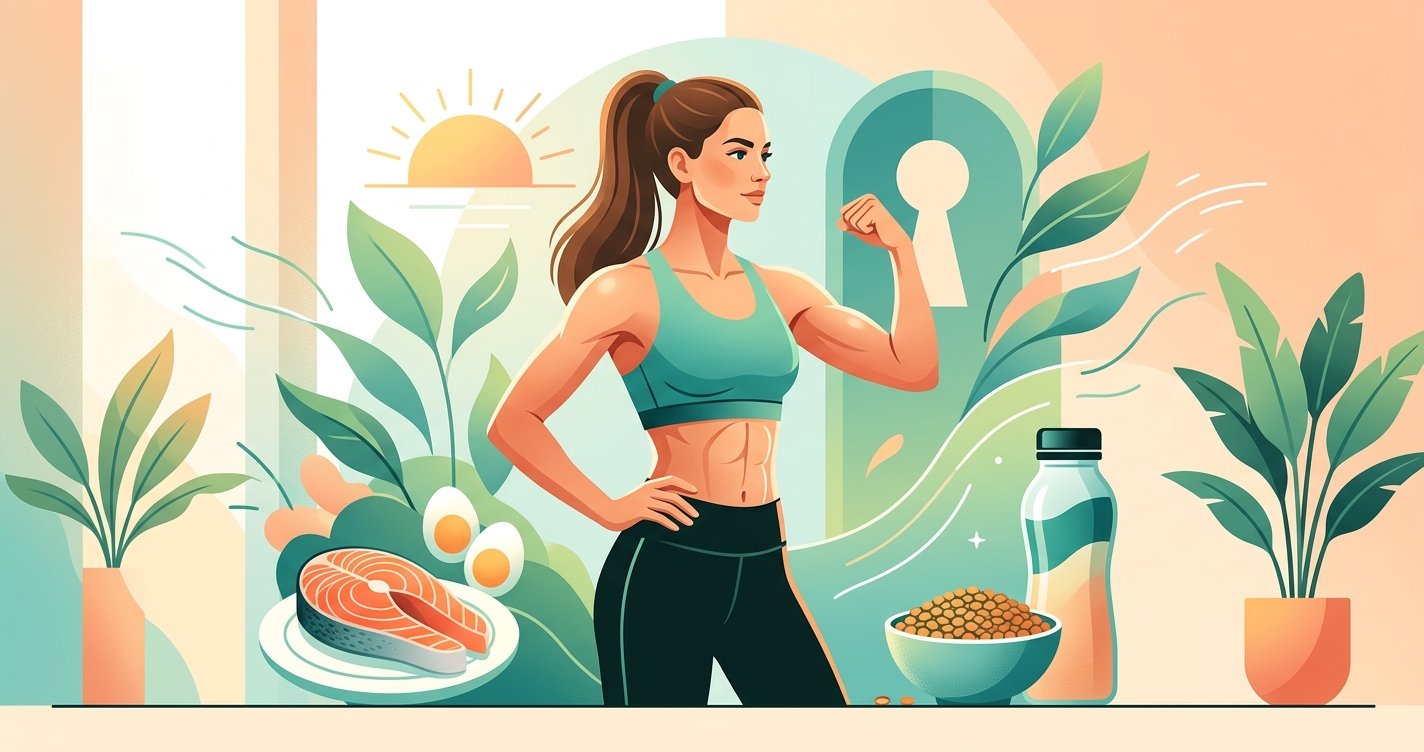
Tired of Yo-Yo Diets? Discover the Protein Advantage for Lasting Fat Loss
For many, the journey to fat loss feels like a frustrating rollercoaster. We try restrictive diets, intense workouts, and often end up right back where we started, if not heavier. What if there was a powerful, science-backed nutritional tool that could make your fat loss journey smoother, more sustainable, and even help you feel better along the way? Enter protein – not just for bodybuilders, but for anyone serious about shedding fat and building a healthier, stronger body.
Forget the fads and quick fixes. Today, we’re diving deep into the evidence-based power of protein and why it’s arguably the most critical macronutrient for achieving and maintaining sustainable fat loss. We’ll explore how protein works its magic, how much you truly need, and practical ways to effortlessly incorporate more into your daily life. Get ready to transform your understanding of nutrition and unlock your body's fat-burning potential! this excellent wellness product
Why Protein is Your Ultimate Fat Loss MVP (Most Valuable Player)
When it comes to fat loss, protein isn't just a good player; it's the MVP. Its unique properties make it indispensable for anyone looking to reduce body fat while preserving precious muscle. Here's why:
- The Thermic Effect of Food (TEF): Protein has the highest TEF of all macronutrients. This means your body expends more energy (calories) digesting, absorbing, and metabolizing protein compared to carbs or fats. Essentially, eating protein gives your metabolism a little boost!
- Satiety Powerhouse: Protein is king when it comes to keeping you feeling full and satisfied. This directly translates to fewer cravings, less mindless snacking, and easier adherence to a calorie deficit – the cornerstone of fat loss.
- Muscle Preservation: When you're losing weight, your body doesn't discriminate; it can burn both fat and muscle. Adequate protein intake is crucial for signaling your body to hold onto muscle tissue, which is vital for maintaining a healthy metabolism and a toned physique.
The Satiety Secret: Feeling Fuller, Longer, and Conquering Cravings
One of the biggest hurdles in any fat loss journey is hunger. Those nagging cravings and the constant feeling of deprivation can derail even the most determined efforts. This is where protein truly shines.
Protein has a profound impact on our hunger hormones. It boosts the production of hormones like peptide YY (PYY) and cholecystokinin (CCK), which signal fullness to your brain. Simultaneously, it helps reduce levels of ghrelin, often called the 'hunger hormone.' The result? You feel satisfied for longer periods after protein-rich meals, making it much easier to stick to your calorie goals without feeling like you're starving yourself.
Imagine a morning where a high-protein breakfast keeps you feeling energized and focused until lunch, without the mid-morning snack attack. Or a dinner that leaves you content, preventing those late-night raids on the pantry. This isn't just wishful thinking; it's the power of protein at work.
Muscle Matters: Preserving Lean Mass for a Revved-Up Metabolism
Many people associate fat loss purely with the number on the scale. However, true, sustainable fat loss is about improving body composition – reducing fat while maintaining or even increasing lean muscle mass. Why is muscle so important?
Muscle tissue is metabolically active, meaning it burns more calories at rest than fat tissue. The more muscle you have, the higher your basal metabolic rate (BMR), which is the number of calories your body burns just to keep you alive. When you lose weight, especially through drastic calorie restriction without adequate protein, you risk losing muscle along with fat. This slows down your metabolism, making it harder to continue losing weight and easier to regain it once you stop dieting.
By prioritizing protein, especially in conjunction with resistance training, you provide your body with the amino acids it needs to repair and build muscle tissue. This helps protect your lean mass during a calorie deficit, ensuring your metabolism stays humming and your body remains strong and functional.
How Much Protein Do You Really Need for Optimal Fat Loss?
This is a common question, and the answer isn't a one-size-fits-all. While the recommended daily allowance (RDA) for protein is 0.8 grams per kilogram of body weight, this is generally considered a minimum to prevent deficiency, not necessarily optimal for fat loss or muscle preservation, especially for active individuals.
For those actively pursuing fat loss and looking to preserve muscle, research suggests a higher intake. A good starting point is typically 1.6 to 2.2 grams of protein per kilogram of body weight (or 0.7 to 1 gram per pound). For example, a person weighing 70 kg (approx. 154 lbs) might aim for 112-154 grams of protein per day.
Factors like your activity level, age, and individual goals can influence these numbers. It's often best to distribute your protein intake throughout the day, aiming for 20-40 grams per meal, rather than consuming a massive amount in one sitting.
Smart Protein Choices: Beyond the Usual Suspects
When you think of protein, chicken breast often comes to mind – and it's a great source! But there's a vast world of delicious and nutritious protein options out there to keep things exciting and ensure you're getting a variety of nutrients.
Excellent Animal-Based Protein Sources:
- Lean Meats: Chicken breast, turkey, lean beef (sirloin, round), pork loin
- Fish & Seafood: Salmon, tuna, cod, shrimp, scallops (rich in omega-3s too!)
- Eggs: A complete protein, versatile and affordable.
- Dairy: Greek yogurt, cottage cheese, milk (great for snacks and post-workout).
Fantastic Plant-Based Protein Sources:
- Legumes: Lentils, chickpeas, black beans, kidney beans.
- Tofu & Tempeh: Versatile soy products that absorb flavors beautifully.
- Edamame: Delicious as a snack or added to stir-fries.
- Quinoa: A complete protein grain.
- Nuts & Seeds: Almonds, peanuts, chia seeds, flax seeds, hemp seeds (also provide healthy fats).
- Protein Powders: Whey, casein, soy, pea, or rice protein can be convenient supplements.
Aim for a variety of sources to ensure you're getting a full spectrum of amino acids and other essential micronutrients.
Integrating Protein into Your Daily Routine: Practical Tips
Making protein a priority doesn't have to be complicated. Here are some simple, actionable strategies to boost your intake:
- Start Strong with Breakfast: Ditch sugary cereals. Opt for Greek yogurt with berries, scrambled eggs with veggies, or a protein smoothie.
- Smart Snacking: Instead of chips or cookies, reach for cottage cheese, a handful of almonds, a hard-boiled egg, or a protein bar.
- Protein at Every Meal: Make sure each main meal has a significant protein component. Think chicken with your salad, fish with your roasted vegetables, or lentils in your soup.
- Prep Ahead: Cook a batch of chicken breast or hard-boiled eggs at the beginning of the week for quick additions to meals and snacks.
- Flavor it Up: Don't let plain protein be boring! Experiment with marinades, spices, and herbs to make your protein sources delicious and enjoyable.
Beyond the Plate: Protein as Part of a Holistic Approach
While protein is incredibly powerful for fat loss, it's essential to remember it's one piece of a larger puzzle. For truly sustainable results, integrate your increased protein intake with other healthy lifestyle habits:
- Prioritize Whole Foods: Pair your protein with plenty of fiber-rich vegetables, fruits, and complex carbohydrates.
- Stay Hydrated: Drink plenty of water throughout the day.
- Get Moving: Incorporate regular physical activity, including both strength training (to build and preserve muscle) and cardiovascular exercise.
- Quality Sleep: Adequate sleep is crucial for hormone regulation, hunger control, and overall well-being.
- Manage Stress: Chronic stress can impact hormones that contribute to fat storage.
Embrace the Protein Advantage for Lasting Results
The journey to sustainable fat loss doesn't have to be a battle against constant hunger and deprivation. By understanding and harnessing the power of protein, you can transform your approach to nutrition, feel more satisfied, preserve muscle, and boost your metabolism.
Start today by making protein a star player in every meal. Experiment with new sources, find what you enjoy, and watch as your body transforms – not just in terms of fat loss, but in strength, energy, and overall vitality. This isn't a temporary diet; it's a sustainable, evidence-based strategy for a healthier, leaner, and stronger you for life. You've got this!