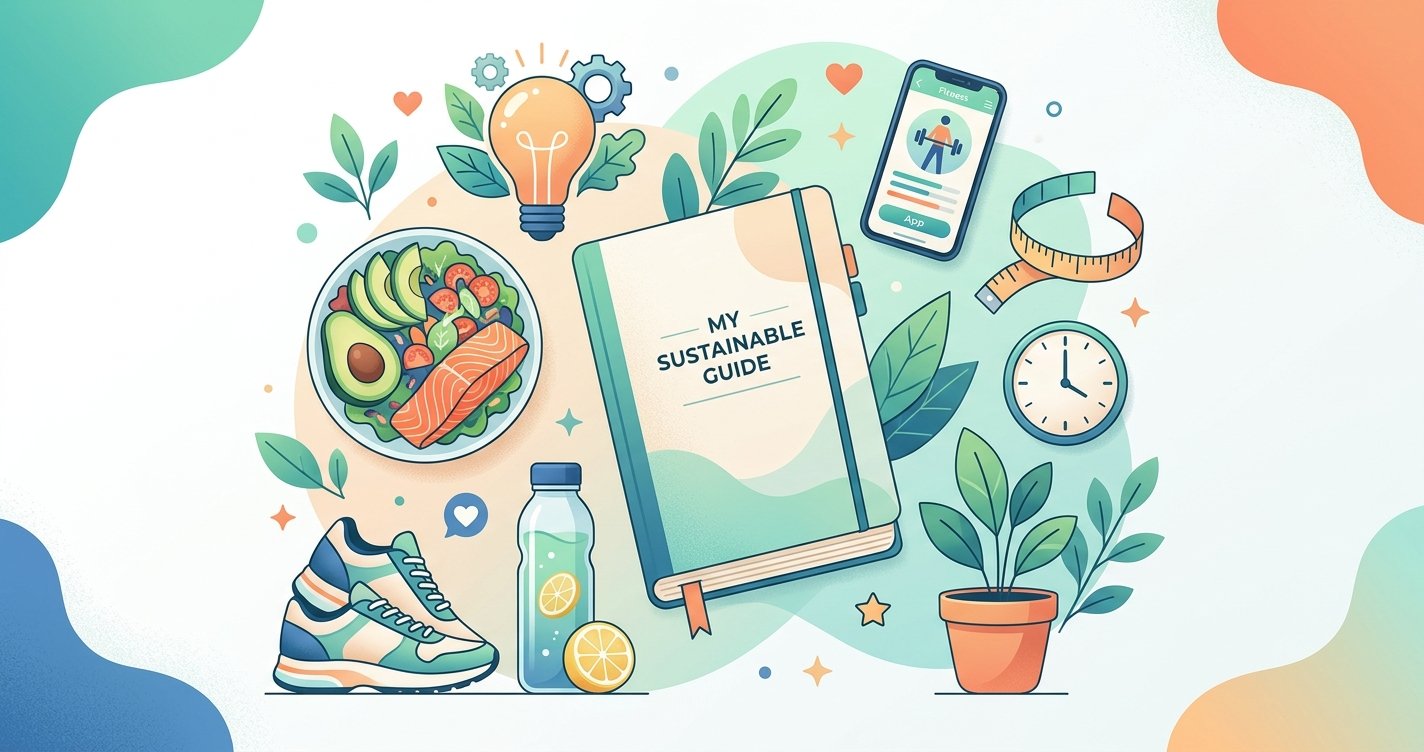
Embarking on a fat loss journey can feel overwhelming, with countless diets and workout fads promising quick fixes. But if you’ve ever tried one of these trendy approaches, you probably know that rapid results often vanish as quickly as they appear. The truth is, lasting fat loss isn't about deprivation or extreme measures; it's about building sustainable habits rooted in evidence-based strategies. This guide will walk you through the core principles of achieving a healthier, leaner you – not just for a few weeks, but for life. Let's ditch the frustration and embrace a smart, science-backed path to sustainable fat loss.
Why "Quick Fixes" Don't Work (and What Does)
Many popular diets promise dramatic weight loss in a short period by severely restricting certain food groups or calories. While you might see initial drops on the scale, these methods are often unsustainable and can lead to nutrient deficiencies, muscle loss, and a rebound effect once you return to normal eating patterns. Your body is incredibly adaptive, and extreme caloric restriction can slow your metabolism, making future fat loss even harder. this excellent wellness product
The Science of Sustainable Weight Loss
At its core, fat loss requires a consistent calorie deficit – consuming fewer calories than your body burns. However, how you achieve this deficit makes all the difference. Sustainable fat loss focuses on nourishing your body, preserving muscle mass, and improving overall health, not just the number on the scale. It's a holistic approach that considers nutrition, exercise, sleep, and stress management.
- Consistent Calorie Deficit: Achieved through mindful eating and increased activity, not extreme restriction.
- Prioritizing Protein & Fiber: Essential for satiety, muscle preservation, and digestive health.
- Strength Training: Builds muscle, boosts metabolism, and improves body composition.
- Adequate Sleep: Crucial for hormone regulation and recovery.
- Stress Management: Helps control cortisol, a hormone linked to fat storage.
Fueling Your Body for Fat Loss (Nutrition Deep Dive)
Nutrition is the cornerstone of any fat loss strategy. It’s not about eating less, but eating smarter. Focusing on nutrient-dense, whole foods will keep you feeling full, energized, and satisfied while naturally supporting your calorie deficit.
Prioritizing Protein: Your Muscle-Saving Ally
Protein is your best friend when it comes to fat loss. It's the most satiating macronutrient, meaning it keeps you feeling fuller for longer, reducing the urge to snack. Furthermore, protein has a higher thermic effect of food (TEF) – your body burns more calories digesting it compared to carbs or fats. Most importantly, adequate protein intake is crucial for preserving lean muscle mass during a calorie deficit, which is vital for maintaining a healthy metabolism. Aim for a protein source at every meal:
- Lean meats (chicken breast, turkey, lean beef)
- Fish (salmon, tuna, cod)
- Eggs
- Dairy (Greek yogurt, cottage cheese)
- Legumes (lentils, beans)
- Tofu, tempeh, edamame
The Power of Fiber: Fullness and Gut Health
Fiber is another powerhouse for satiety and digestive health. Found in fruits, vegetables, and whole grains, fiber adds bulk to your meals without adding many calories. It slows down digestion, stabilizing blood sugar levels and preventing energy crashes that can lead to cravings. A healthy gut, supported by fiber, is also increasingly linked to overall metabolic health. Load up on a variety of:
- Vegetables (broccoli, spinach, kale, bell peppers)
- Fruits (berries, apples, pears)
- Whole grains (oats, quinoa, brown rice, whole-wheat bread)
- Nuts and seeds
Smart Carb and Healthy Fat Choices
Carbohydrates and fats often get a bad rap, but they are essential for energy, hormone function, and nutrient absorption. The key is to choose the right types. Opt for complex carbohydrates found in whole grains, fruits, and vegetables over refined carbs (white bread, pastries, sugary drinks). For fats, prioritize healthy unsaturated fats from sources like avocados, nuts, seeds, olive oil, and fatty fish. These fats are crucial for hormone production, nutrient absorption, and also contribute to satiety.
Hydration: An Often-Overlooked Hero
Don't underestimate the power of water! Staying well-hydrated is crucial for metabolic processes, nutrient transport, and can even help manage hunger cues (sometimes thirst is mistaken for hunger). Aim for at least 8 glasses of water daily, and more if you're active.
Moving Your Body Smart, Not Just Hard (Exercise Strategies)
While nutrition is paramount, incorporating smart exercise accelerates fat loss, improves body composition, and offers a myriad of health benefits. It's not about endless cardio; it's about a balanced approach.
The Magic of Strength Training
If you're serious about sustainable fat loss, make strength training a priority. Building muscle mass is incredibly beneficial because muscle tissue is more metabolically active than fat tissue, meaning it burns more calories at rest. This helps increase your resting metabolic rate (RMR), making it easier to maintain a calorie deficit. Aim for 2-4 strength training sessions per week, focusing on compound movements that work multiple muscle groups.
Cardio for Cardiovascular Health and Calorie Burn
Cardiovascular exercise, or cardio, is excellent for burning calories, improving heart health, and boosting endurance. Incorporate a mix of steady-state cardio (like brisk walking, jogging, cycling) and high-intensity interval training (HIIT), if appropriate for your fitness level. HIIT can be particularly effective for calorie burning and improving metabolic flexibility in shorter durations. Find activities you enjoy to ensure consistency.
NEAT: Your Everyday Calorie Burner
Beyond structured workouts, your Non-Exercise Activity Thermogenesis (NEAT) plays a significant role. This includes all the calories you burn from daily activities like walking, standing, fidgeting, and even typing. Small changes, like taking the stairs, parking further away, or going for a short walk during breaks, can add up to a substantial calorie burn over time.
Beyond Diet and Exercise (The Lifestyle Pillars)
Sustainable fat loss isn't just about what you eat and how you move; it's deeply intertwined with your overall lifestyle. Neglecting these crucial pillars can sabotage even the best nutrition and exercise plans.
Sleep: Your Secret Weapon for Fat Loss
In our busy lives, sleep is often the first thing to be sacrificed, but it's a critical component of fat loss. Poor sleep disrupts hormones that regulate appetite (ghrelin and leptin), leading to increased hunger and cravings for unhealthy foods. It also elevates cortisol, the stress hormone, which can promote fat storage, particularly around the midsection. Aim for 7-9 hours of quality sleep per night.
Stress Management: Taming the Cortisol Beast
Chronic stress triggers the release of cortisol, which not only impacts sleep but can also increase appetite, promote sugar cravings, and encourage fat storage. Finding healthy ways to manage stress is vital for both your mental well-being and your fat loss goals. Consider practices like meditation, yoga, deep breathing exercises, spending time in nature, or engaging in hobbies you enjoy.
Mindful Eating: Connecting with Your Body
Mindful eating involves paying full attention to your food – how it looks, smells, tastes, and how it makes you feel. It helps you recognize true hunger and fullness cues, preventing overeating and fostering a healthier relationship with food. Slow down, chew thoroughly, and savor each bite. Ask yourself: Am I truly hungry? Am I satisfied?
Building Lasting Habits and Mindset
Fat loss is a journey, not a destination. Cultivating the right mindset and focusing on habit formation will ensure your results are not only achieved but maintained.
Consistency Over Perfection
There will be days when you miss a workout, or a meal doesn't go exactly as planned. That's okay! The key is consistency over perfection. One slip-up doesn't derail your entire progress. Learn from it, adjust, and get back on track with your next meal or workout. Focus on making good choices most of the time.
Tracking Progress (Beyond the Scale)
While the scale can be a useful tool, it doesn't tell the whole story. Muscle gain, water fluctuations, and hormonal changes can mask fat loss. Track progress through other metrics:
- Body measurements: Waist, hips, arms, thighs.
- Progress photos: Visual changes can be incredibly motivating.
- How your clothes fit: A reliable indicator of body composition changes.
- Energy levels and mood: Reflects overall health improvements.
- Strength gains: A clear sign of muscle development.
Seeking Support and Professional Guidance
You don't have to go it alone. Consider working with a registered dietitian, certified personal trainer, or a healthcare professional. They can provide personalized advice, create tailored plans, and offer accountability, ensuring your journey is safe, effective, and aligned with your individual needs and health conditions.
Sustainable fat loss is a marathon, not a sprint. It's about making gradual, evidence-based changes to your nutrition, incorporating smart exercise, prioritizing sleep, and managing stress. By focusing on these pillars, you're not just losing weight; you're building a foundation for a healthier, more vibrant life. Embrace the journey, celebrate small victories, and trust in the power of consistency. You have the power to create lasting change and achieve a truly healthier you!