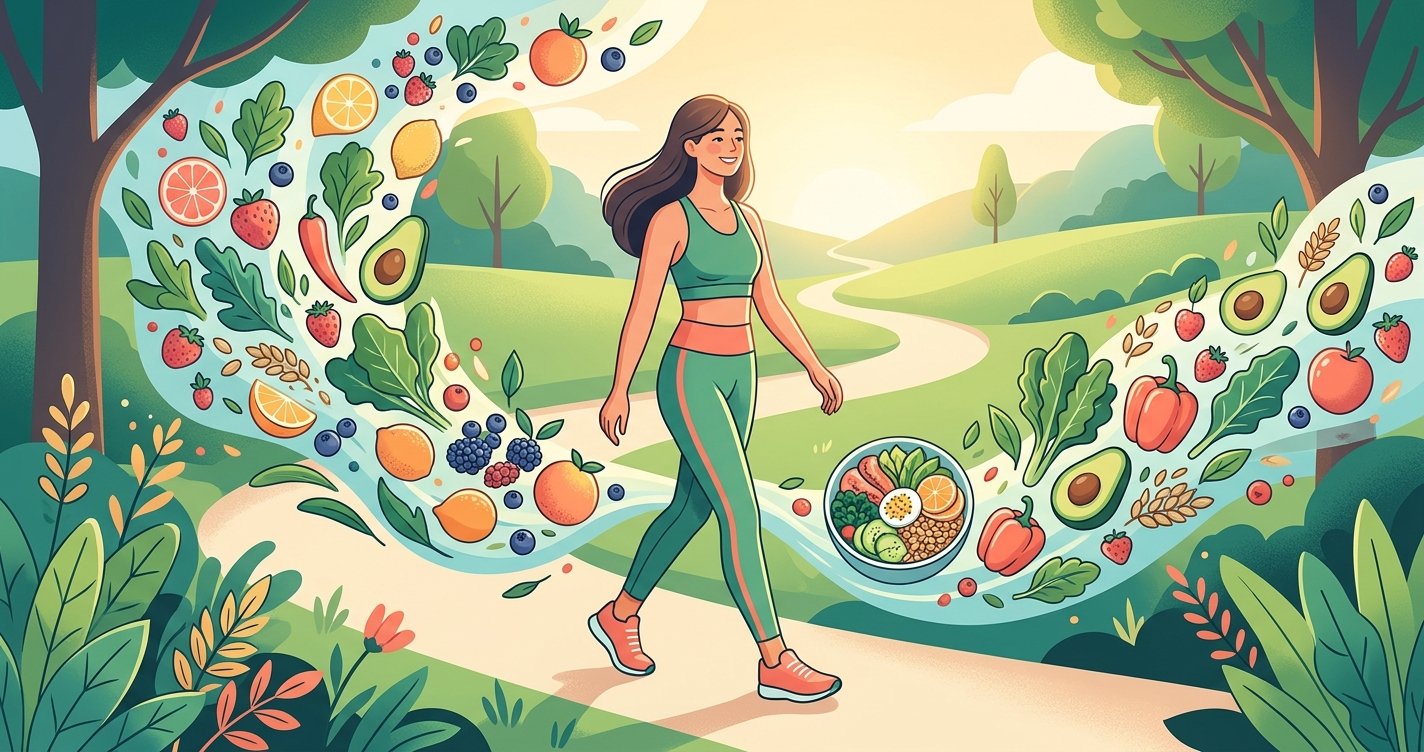
We've all been there: the allure of a quick fix, the promise of rapid weight loss through extreme diets that demand deprivation and leave you feeling miserable. While these approaches might deliver initial results, they often lead to a frustrating cycle of restriction, rebound, and ultimately, a feeling of failure. But what if there was a better way? A path to sustainable fat loss that doesn't involve starvation, endless hours of cardio, or saying goodbye to all your favorite foods?
Good news! There is. It's built on a fundamental principle of fat loss – the calorie deficit – but approached with kindness, intelligence, and a focus on long-term health rather than fleeting results. Let's dive into how you can achieve your fat loss goals without the extreme restrictions, fostering a healthier relationship with food and your body along the way. this excellent wellness product
What Exactly is a Calorie Deficit (and Why It Matters)?
At its core, a calorie deficit simply means consuming fewer calories than your body expends. Think of your body as a car: it needs fuel (calories) to run. If you put in more fuel than it uses, the excess is stored (often as fat). If you put in less, your body taps into its stored energy reserves (fat) to make up the difference. This is the scientific bedrock of fat loss.
However, understanding this principle doesn't mean you have to meticulously count every single calorie or starve yourself. A gentle, sustainable calorie deficit is about making smart, manageable adjustments that add up over time, allowing your body to slowly and steadily burn stored fat without triggering extreme hunger or metabolic slowdowns often associated with crash diets. It's not about eating less; it's about eating smarter.
Ditching the Extreme: How to Create a Gentle Calorie Deficit
Forget drastic cuts. Our goal is to create a deficit that feels natural and sustainable. Here’s how:
Focus on Nutrient-Dense Foods
This is perhaps the most powerful tool in your gentle deficit arsenal. Nutrient-dense foods are packed with vitamins, minerals, fiber, and protein but are relatively low in calories. They fill you up, keep you satisfied, and provide your body with the fuel it needs without excess energy.
- Prioritize Protein: Protein is incredibly satiating, meaning it keeps you fuller for longer. It also helps preserve muscle mass during fat loss. Think lean meats, poultry, fish, eggs, dairy, legumes, and tofu.
- Embrace Fiber: Found in fruits, vegetables, whole grains, and legumes, fiber adds bulk to your meals, aids digestion, and helps you feel full. Load up your plate with colorful veggies!
- Healthy Fats (in moderation): While calorie-dense, healthy fats (avocado, nuts, seeds, olive oil) are crucial for hormone production and satiety. Just be mindful of portion sizes.
Master Portion Control (Without Obsession)
You don't need a food scale for every meal. Simple visual cues can be incredibly helpful:
- Plate Method: Fill half your plate with non-starchy vegetables, a quarter with lean protein, and a quarter with complex carbohydrates.
- Hand Portions: Your palm for protein, cupped hand for carbs, thumb for fats. This is a personalized way to gauge portions.
- Mindful Eating: Pay attention to your hunger and fullness cues. Eat slowly, savor each bite, and stop when you feel comfortably satisfied, not stuffed.
Smart Swaps, Not Strict Restrictions
Instead of eliminating entire food groups, think about healthier alternatives that still satisfy your cravings:
- Sugary Drinks → Water or Unsweetened Tea: Liquid calories add up quickly without providing satiety.
- Fried Foods → Baked/Grilled: Reduces fat and calorie content significantly.
- Refined Grains → Whole Grains: Brown rice instead of white, whole-wheat bread instead of white bread for more fiber and nutrients.
- Creamy Sauces → Herb-based Dressings/Salsas: Lighter options for flavor.
Hydration: Your Secret Weapon
Often overlooked, adequate water intake is vital. Sometimes, our bodies confuse thirst with hunger. Drinking a glass of water before meals can help you feel fuller and potentially eat less. Water also plays a crucial role in metabolism and overall body function.
The Power of Movement: Boosting Your Calorie Burn
While nutrition is paramount, incorporating movement helps widen your calorie deficit and improves body composition. Again, no need for extreme measures!
Incorporate More NEAT (Non-Exercise Activity Thermogenesis)
This refers to the calories burned from everyday activities that aren't formal exercise. Think of it as your secret weapon for a gentle calorie burn:
- Take the stairs instead of the elevator.
- Park further away.
- Stand while working or talking on the phone.
- Walk during your lunch break.
- Do household chores more vigorously.
These small movements add up significantly over the course of a day and week.
Embrace Strength Training
Building muscle is incredibly beneficial for fat loss. Muscle tissue is metabolically active, meaning it burns more calories at rest than fat tissue. Incorporating 2-3 strength training sessions per week will not only help you burn calories during the workout but also boost your metabolism long-term, leading to a more toned physique.
Find Joy in Cardio
Whether it's brisk walking, jogging, cycling, dancing, or swimming, finding an enjoyable form of cardio makes it easier to stick with. Cardio burns calories, improves cardiovascular health, and is a fantastic stress reliever. Aim for at least 150 minutes of moderate-intensity cardio per week.
Beyond the Plate: Lifestyle Factors for Sustainable Fat Loss
Fat loss isn't just about food and exercise; your lifestyle plays a huge role in your body's ability to shed fat effectively.
Prioritize Sleep
Lack of sleep can wreak havoc on your hormones, specifically ghrelin (the hunger hormone) and leptin (the satiety hormone), making you feel hungrier and less satisfied. It also increases cortisol, a stress hormone that can promote fat storage, especially around the belly. Aim for 7-9 hours of quality sleep per night.
Manage Stress Effectively
Chronic stress elevates cortisol levels, which, as mentioned, can hinder fat loss and even encourage emotional eating. Find healthy ways to cope with stress: meditation, yoga, spending time in nature, hobbies, or connecting with loved ones.
Practice Mindful Eating
Beyond portion control, mindful eating involves being fully present during your meals. It means eating slowly, savoring flavors, noticing textures, and truly listening to your body's hunger and fullness signals. This helps prevent overeating and fosters a healthier relationship with food, moving away from restrictive mindsets.
Setting Realistic Expectations and Celebrating Progress
Sustainable fat loss is a marathon, not a sprint. Aim for a healthy rate of 1-2 pounds per week. Some weeks you might lose more, some less, and some none – this is normal! Focus on the bigger picture and celebrate non-scale victories:
- More energy throughout the day.
- Clothes fitting better.
- Improved mood and mental clarity.
- Better sleep quality.
- Increased strength and fitness.
These are all signs that your gentle, sustainable approach is working and improving your overall health, not just a number on the scale.
You Got This!
Ditching the extreme and embracing a gentle, sustainable calorie deficit is a powerful shift. It's about empowering yourself with knowledge, making conscious choices, and treating your body with the respect it deserves. By focusing on nutrient-dense foods, smart portion control, incorporating enjoyable movement, and prioritizing lifestyle factors like sleep and stress management, you're not just losing fat; you're building a healthier, happier, and more sustainable life. No deprivation, no extreme diets – just consistent, kind, and evidence-based progress. You absolutely have the power to transform your body and your relationship with wellness, one mindful step at a time!