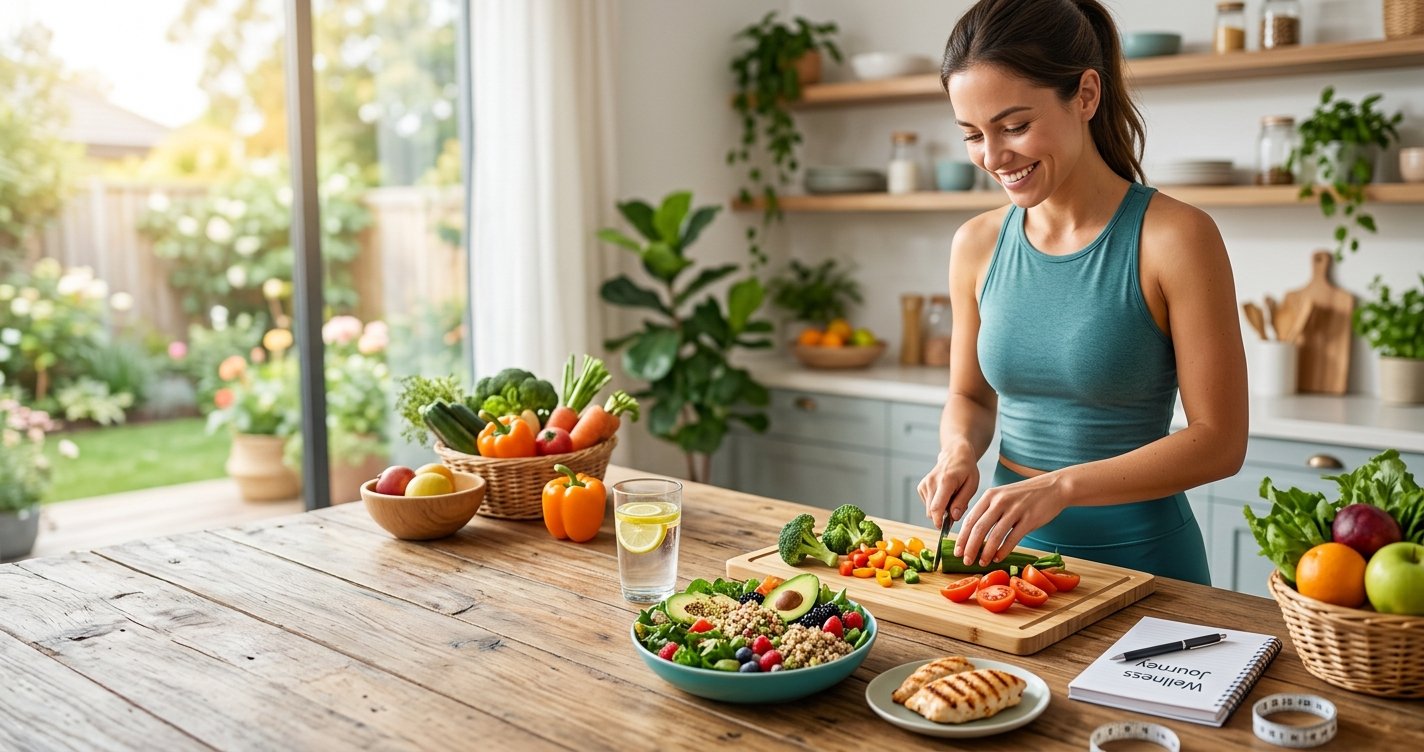
Have you ever jumped on a trendy diet, lost a few pounds quickly, only to see them creep back (and often bring friends)? You’re not alone. The world of fat loss is often filled with promises of rapid results, extreme restrictions, and grueling workouts that are simply unsustainable in the long run. But what if there was a better way? A path to not just losing fat, but keeping it off, feeling great, and building habits that truly last a lifetime?
This isn't about deprivation or endless hours at the gym. It's about understanding your body, making smart choices, and building a foundation of healthy habits that become second nature. We'll explore evidence-based strategies that focus on consistency, enjoyment, and long-term well-being, rather than short-term suffering. Get ready to ditch the yo-yo dieting cycle and embrace a sustainable approach to fat loss that empowers you to achieve and maintain your goals. this excellent wellness product
Why "Quick Fixes" Don't Last (And What Does!)
The appeal of a rapid solution is powerful. "Lose 10 pounds in a week!" "Shred fat with this one secret!" These headlines grab our attention because we want results, and we want them now. However, most quick-fix diets and extreme programs operate on principles that are fundamentally unsustainable:
- Extreme Calorie Restriction: While a calorie deficit is essential for fat loss, an overly aggressive one can lead to nutrient deficiencies, muscle loss, metabolic slowdown, and intense hunger, making it impossible to stick to.
- Food Group Elimination: Cutting out entire food groups (like all carbs or all fats) is often unnecessary, socially isolating, and can lead to cravings and binge eating once restrictions are lifted.
- Unrealistic Exercise Regimens: Starting with two-a-day workouts when you're new to fitness is a recipe for burnout, injury, and giving up entirely.
- Lack of Education: Quick fixes rarely teach you why certain strategies work or how to adapt them to your life, leaving you lost once the program ends.
What truly lasts, on the other hand, is a series of small, consistent changes that you can maintain indefinitely. It's about building habits, understanding your body's needs, and finding joy in the process. This sustainable approach is less about speed and more about steady, permanent progress.
The Cornerstone: Mastering Your Nutrition for Sustainable Fat Loss
Nutrition is arguably the most impactful lever for fat loss. But it doesn't have to be complicated or boring. It's about smart choices that fuel your body and keep you satisfied.
The Power of a Gentle Calorie Deficit
At its core, fat loss requires consuming fewer calories than your body burns – a calorie deficit. However, the key word here is "gentle." An aggressive deficit can backfire. Aim for a moderate deficit of 300-500 calories below your maintenance level. This allows for steady fat loss (typically 1-2 pounds per week) without feeling overly deprived.
- Practical Tip: Start by tracking your food intake for a few days to understand your current habits. Then, look for small, manageable ways to reduce calories, like swapping sugary drinks for water, reducing portion sizes slightly, or choosing leaner protein sources.
- Focus on Whole Foods: Prioritize nutrient-dense foods that offer more bang for your caloric buck. Think fruits, vegetables, lean proteins, and whole grains.
Prioritize Protein and Fiber
If there are two nutritional superstars for fat loss, it's protein and fiber. They both play crucial roles in keeping you full and preserving muscle mass.
- Protein: It's the most satiating macronutrient, meaning it keeps you feeling fuller for longer. It also helps preserve muscle tissue during fat loss, which is vital for maintaining a healthy metabolism. Aim for 0.7-1 gram of protein per pound of body weight daily, distributed across your meals.
- Fiber: Found in vegetables, fruits, whole grains, and legumes, fiber adds bulk to your meals without adding many calories. It slows digestion, helps regulate blood sugar, and contributes to satiety.
Smart Carbohydrates and Healthy Fats
Don't be afraid of carbs or fats! Both are essential for energy, hormone function, and overall health. The key is choosing the right types and quantities.
- Complex Carbohydrates: Opt for whole grains (oats, brown rice, quinoa), starchy vegetables (sweet potatoes, squash), and legumes. These provide sustained energy and fiber, unlike refined carbs which can cause energy crashes and cravings.
- Healthy Fats: Incorporate sources like avocados, nuts, seeds, olive oil, and fatty fish (salmon). These are crucial for hormone production, nutrient absorption, and satiety. Just remember they are calorie-dense, so portion control is important.
Moving Your Body: Exercise as a Sustainable Fat Loss Partner
Exercise is not just about burning calories; it's about building a stronger, healthier, and more resilient body. The goal is to find activities you enjoy and can stick with consistently.
Strength Training: Your Fat Loss Superpower
If you're only doing cardio, you're missing out on a huge fat loss advantage. Strength training builds and preserves muscle mass, which is metabolically active tissue. The more muscle you have, the more calories your body burns at rest.
- Benefits: Increased metabolism, improved body composition (more muscle, less fat), enhanced bone density, and increased strength.
- Consistency is Key: Aim for 2-4 strength training sessions per week. You can use weights, resistance bands, or even your own body weight. Don't be intimidated; start with basic movements and focus on proper form.
Incorporating Consistent Cardio (The Right Way)
Cardiovascular exercise is excellent for heart health, endurance, and burning calories. The "right way" means finding activities you genuinely enjoy and can sustain.
- Variety: Don't feel confined to the treadmill. Try brisk walking, jogging, cycling, swimming, dancing, hiking, or group fitness classes.
- Listen to Your Body: Some days might call for high-intensity interval training (HIIT), while others are better suited for steady-state cardio. Aim for at least 150 minutes of moderate-intensity cardio or 75 minutes of vigorous-intensity cardio per week, spread out.
The Magic of NEAT (Non-Exercise Activity Thermogenesis)
NEAT refers to the calories burned from all the movement you do that isn't formal exercise – walking, standing, fidgeting, taking the stairs, cleaning. These seemingly small activities can add up significantly over the course of a day and week.
- Boost Your NEAT: Take the stairs instead of the elevator, park further away, stand while talking on the phone, take short walking breaks during work, or pace while thinking. Every little bit helps!
Beyond Diet and Exercise: Lifestyle Habits for Lasting Success
True sustainable fat loss isn't just about what you eat and how you move; it's deeply intertwined with your overall lifestyle.
The Crucial Role of Sleep
Lack of sleep can sabotage your fat loss efforts in multiple ways. It disrupts hormones that regulate hunger (ghrelin) and satiety (leptin), leading to increased cravings for high-calorie foods. It also impairs insulin sensitivity and reduces your energy for workouts.
- Aim for 7-9 Hours: Prioritize sleep by creating a relaxing bedtime routine, keeping your bedroom cool and dark, and avoiding screens before bed.
Stress Management: Taming the Cortisol Beast
Chronic stress elevates cortisol levels, a hormone that can promote fat storage, particularly around the abdomen. Stress can also lead to emotional eating and reduced motivation for healthy habits.
- Find Your Zen: Incorporate stress-reducing activities like meditation, yoga, deep breathing exercises, spending time in nature, or engaging in hobbies you enjoy.
Hydration: Simple Yet Powerful
Drinking enough water is a simple yet often overlooked component of fat loss. Water can help you feel fuller, aids in metabolism, and is essential for countless bodily functions.
- Stay Hydrated: Aim for 8 glasses (around 2 liters) of water daily, and even more if you're exercising or in a hot climate. Sometimes, thirst is mistaken for hunger, so try drinking a glass of water before reaching for a snack.
Mindful Eating: Connecting with Your Body
Mindful eating is about paying attention to your food, recognizing hunger and fullness cues, and savoring the experience. It helps you eat more intentionally and less reactively.
- Practice Mindfulness: Eat slowly, chew thoroughly, put your fork down between bites, and truly taste your food. Ask yourself if you're truly hungry or eating out of habit, boredom, or emotion.
Building Your Sustainable Fat Loss Mindset
Your mindset is perhaps the most powerful tool in your fat loss journey. It’s what keeps you going when motivation wanes.
Focus on Progress, Not Perfection
Sustainable fat loss is a journey, not a sprint. There will be good days and challenging days. Don't let a single "off" meal or missed workout derail your entire effort. Acknowledge your progress, learn from setbacks, and get back on track. Perfection is an illusion; consistency is the real goal.
Be Patient and Consistent
Real, lasting change takes time. Embrace the process, celebrate small victories, and trust that consistent effort will yield results. Sustainable fat loss isn't about rapid drops on the scale; it's about building habits that support your health and well-being for the long haul.
Seek Support and Celebrate Successes
You don't have to do this alone. Share your goals with supportive friends or family, join a fitness community, or consider working with a coach. And don't forget to celebrate your achievements, no matter how small. Acknowledging your hard work reinforces positive habits and keeps you motivated.
Your Path to Lasting Fat Loss Starts Today
Sustainable fat loss isn't a secret formula or a grueling bootcamp. It's a holistic approach that integrates balanced nutrition, enjoyable movement, restful sleep, stress management, and a positive mindset into your daily life. It's about making small, consistent choices that add up to significant, lasting change.
Forget the quick fixes and embrace the journey of building habits that not only help you lose fat but also enhance your overall health and happiness. Start small, be patient with yourself, and remember that every healthy choice you make is a step towards a stronger, more vibrant you. You have the power to create lasting change – begin today!