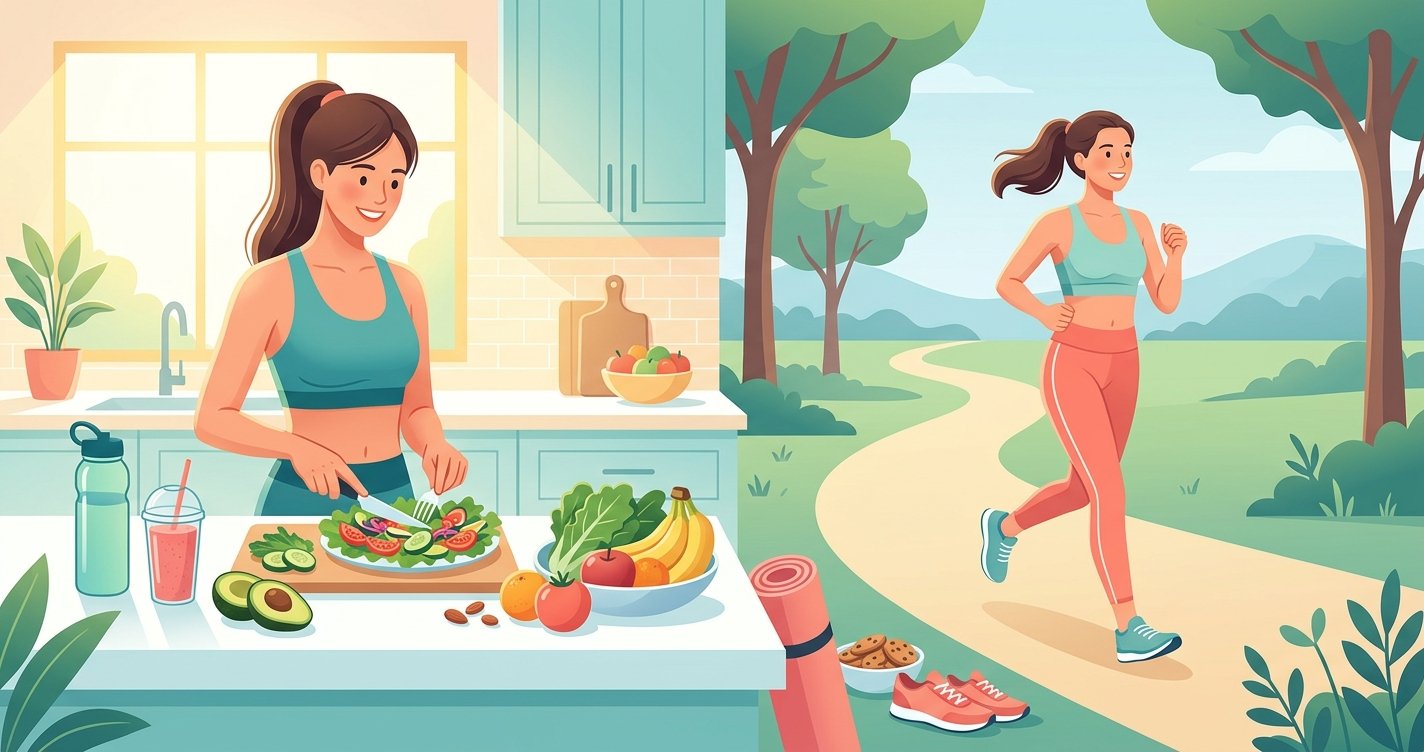
Beyond the Quick Fix: Your Friendly Guide to Sustainable Fat Loss
In a world obsessed with instant gratification, it’s easy to fall prey to the allure of crash diets and extreme workout routines promising rapid fat loss. While these methods might offer temporary results, they often lead to frustration, burnout, and the dreaded 'rebound effect.' But what if there was a better way? A path to lasting change that respects your body, fits into your life, and doesn't require you to subsist on lettuce leaves and endless cardio?
Welcome to the world of sustainable fat loss. This isn't about deprivation; it's about empowerment. It's about making smart, evidence-based choices that not only help you shed unwanted fat but also improve your overall health, energy, and well-being for the long haul. Forget the fads and the guilt trips. We're here to build a foundation of habits that will serve you for life. Let's dive into creating a strategy that truly works, one friendly, encouraging step at a time. this excellent wellness product
The Foundation: Understanding Your Energy Balance (and Why It Matters)
At its core, fat loss boils down to one fundamental principle: energy balance. To lose fat, you need to consume slightly fewer calories than your body burns over time. This creates a 'calorie deficit.' Think of it like a budget: if you spend less than you earn, your bank account grows. If you eat fewer calories than you burn, your body taps into its stored energy (fat) to make up the difference.
It sounds simple, but many people overcomplicate it. While tracking calories can be a useful tool for awareness, it's not about becoming obsessive. It's about understanding that food provides energy, and our bodies use that energy for everything from breathing to running a marathon. A modest, consistent calorie deficit (around 300-500 calories per day) is generally considered safe and effective for sustainable fat loss, leading to a healthy rate of 1-2 pounds of fat loss per week. This approach minimizes muscle loss and supports long-term adherence.
Fueling Your Body Right: Nutrition for Sustainable Fat Loss
You don't need to eat perfectly, but making smarter food choices is crucial. Focus on nutrient-dense foods that keep you feeling full and energized.
Protein Power: The Satiety and Muscle Preserver
If there's one macronutrient to prioritize for fat loss, it's protein. Protein is incredibly satiating, meaning it helps you feel full for longer, reducing the urge to snack. It also has a higher thermic effect, meaning your body burns more calories digesting it compared to fats or carbs. Most importantly, adequate protein intake helps preserve precious muscle mass when you're in a calorie deficit, which is vital for maintaining a healthy metabolism. Aim for a protein source at every meal: lean meats, poultry, fish, eggs, dairy, legumes, or tofu.
Smart Carbs and Healthy Fats: Energy and Essential Nutrients
Don't fear carbohydrates or fats! They are essential for energy, hormone production, and nutrient absorption. The key is choosing the right kinds. Opt for complex carbohydrates like whole grains, fruits, and vegetables, which are rich in fiber and provide sustained energy. Healthy fats from avocados, nuts, seeds, and olive oil are crucial for satiety and overall health. Focus on balance and moderation rather than elimination.
Hydration and Fiber: The Unsung Heroes
Often overlooked, water and fiber play huge roles. Drinking plenty of water can help with satiety, boost metabolism slightly, and is essential for countless bodily functions. Fiber, found in fruits, vegetables, and whole grains, adds bulk to your meals, aiding digestion and promoting fullness, further supporting your fat loss efforts.
Moving Your Body Smart: Exercise Beyond Just "Burning Calories"
While diet is paramount for fat loss, exercise is your powerful ally, enhancing your results and transforming your body composition.
Strength Training: Your Metabolic Supercharger
If you're not lifting weights, you're missing out on one of the most effective tools for sustainable fat loss. Strength training builds and preserves muscle mass. More muscle means a higher resting metabolism, meaning you burn more calories even when you're just sitting around! It also sculpts your body, giving you a leaner, more toned physique. Aim for 2-3 full-body strength training sessions per week.
Cardio: Heart Health and Calorie Burn
Cardiovascular exercise, like brisk walking, jogging, cycling, or swimming, is excellent for heart health and burns calories, contributing to your deficit. It also improves endurance and can be a great stress reliever. Incorporate 150-300 minutes of moderate-intensity cardio or 75-150 minutes of vigorous-intensity cardio per week, as recommended by health guidelines.
NEAT: The Everyday Movement Advantage
NEAT, or Non-Exercise Activity Thermogenesis, refers to all the calories you burn from activities that aren't formal exercise. Think walking more, taking the stairs, fidgeting, cleaning, or parking further away. Increasing your NEAT throughout the day can significantly boost your total daily energy expenditure and is a fantastic, low-effort way to contribute to your fat loss goals.
Mindset Matters: Cultivating a Healthy Relationship with Food and Your Body
Sustainable fat loss isn't just about what you eat or how you move; it's profoundly about how you think and feel.
Mindful Eating: Savoring and Listening
Slow down. Pay attention to your food – its taste, texture, and smell. Listen to your body's hunger and fullness cues. Mindful eating can help prevent overeating, improve digestion, and make your meals more enjoyable. Are you truly hungry, or are you eating out of boredom, stress, or habit?
Patience and Consistency: The Real Secret Sauce
Fat loss is a marathon, not a sprint. There will be good days and challenging days. The key is consistency over perfection. Don't let one 'off-plan' meal derail your entire week. Get back on track at your next meal. Celebrate small victories and focus on building habits that you can maintain indefinitely.
Self-Compassion: Bouncing Back from Setbacks
Be kind to yourself. Setbacks are a normal part of any journey. Instead of self-criticism, practice self-compassion. Understand what triggered the setback, learn from it, and gently guide yourself back to your sustainable path. Your worth isn't tied to the number on the scale.
Lifestyle Levers: Optimizing Sleep and Stress for Fat Loss
Beyond diet and exercise, two often-underestimated factors profoundly impact your ability to lose fat and keep it off.
The Power of Sleep: Hormones and Hunger
Lack of sleep can wreak havoc on your fat loss efforts. Insufficient sleep disrupts hormones like ghrelin (which stimulates appetite) and leptin (which signals fullness), leading to increased cravings, especially for unhealthy foods. It also impairs insulin sensitivity and can elevate cortisol, a stress hormone linked to belly fat storage. Aim for 7-9 hours of quality sleep per night.
Managing Stress: Cortisol and Cravings
Chronic stress triggers the release of cortisol, which, as mentioned, can promote fat storage, particularly around the abdomen. Stress can also lead to emotional eating and reduced motivation for healthy habits. Find healthy ways to manage stress: meditation, yoga, spending time in nature, hobbies, or connecting with loved ones. Prioritizing mental well-being is not a luxury; it's a necessity for sustainable fat loss.
Building Your Sustainable Fat Loss Toolkit
- Start Small: Don't try to overhaul everything at once. Pick one or two habits to focus on each week.
- Plan Ahead: Meal prepping and planning your workouts can significantly increase your consistency.
- Track Progress Beyond the Scale: Measure body composition, energy levels, strength gains, clothes fit, and mood.
- Seek Support: Share your goals with a trusted friend, family member, or consider working with a coach.
- Listen to Your Body: Adjust your approach based on how you feel and respond.
Conclusion: Your Journey to Lasting Change
Sustainable fat loss isn't about chasing a number on the scale or fitting into a certain size; it's about building a healthier, stronger, and more resilient you. It's a journey of self-discovery, patience, and consistent effort. By focusing on smart nutrition, effective exercise, a positive mindset, and crucial lifestyle factors like sleep and stress management, you're not just losing fat – you're gaining a lifetime of health, confidence, and well-being. Embrace the process, be kind to yourself, and celebrate every step forward. Your future self will thank you!