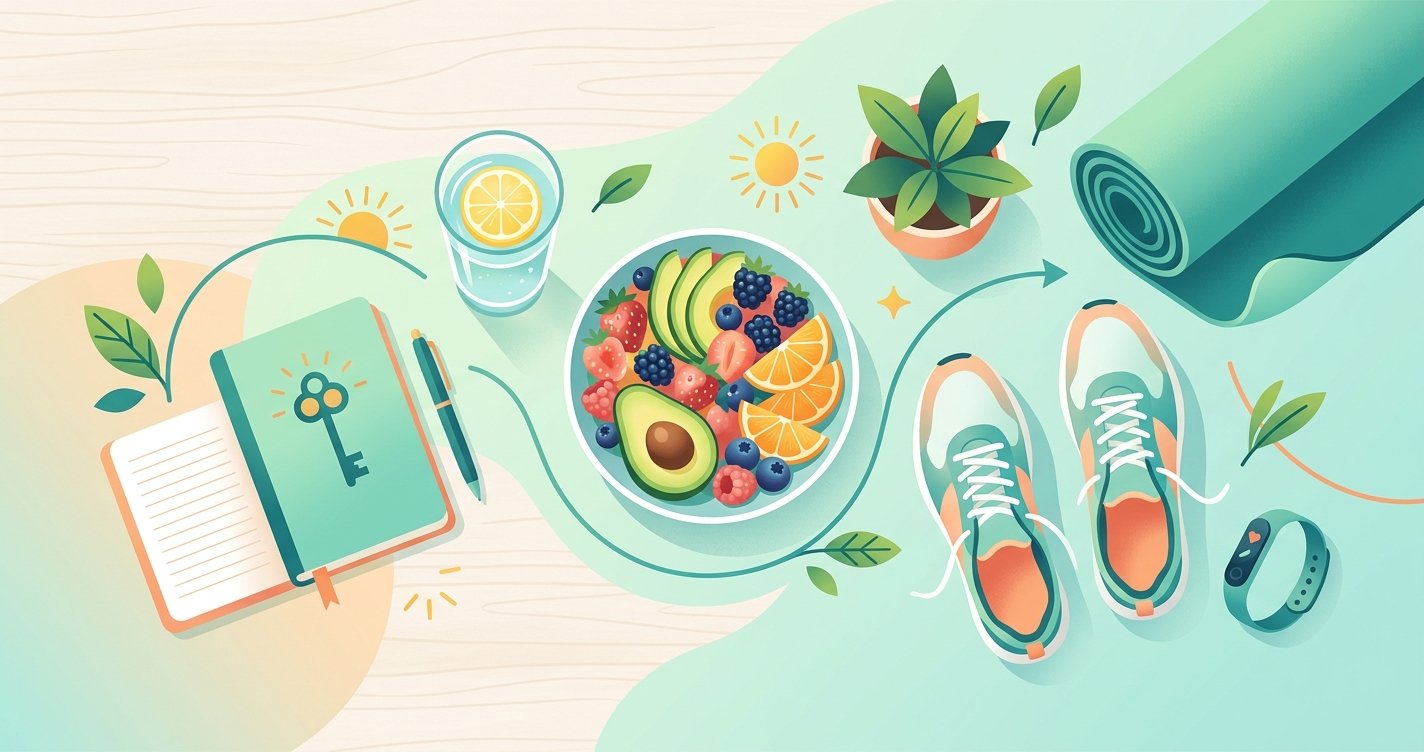
Introduction: Beyond the Quick Fix – Embracing Sustainable Fat Loss
Are you tired of the endless cycle of restrictive diets, intense workout fads, and the frustration of seeing the scale yo-yo? You're not alone. In a world saturated with quick-fix promises, it's easy to lose sight of what truly matters: a healthy, sustainable approach to fat loss that actually lasts. This isn't just about shedding pounds; it's about transforming your relationship with food, movement, and your body.
This comprehensive guide is designed to cut through the noise, offering you an evidence-based, friendly, and encouraging roadmap to achieving lasting fat loss. We'll explore the fundamental principles, practical strategies, and crucial lifestyle factors that often get overlooked. So, let's ditch the deprivation mindset and embrace a journey towards a healthier, happier you, one sustainable step at a time. this excellent wellness product
The Core Principle: Understanding the Calorie Deficit (Simply Put)
At its heart, fat loss boils down to a fundamental concept: a calorie deficit. Simply put, you need to consume fewer calories than your body burns over a consistent period. Think of your body as a car: if you put less fuel in than it uses, eventually the fuel tank empties. For our bodies, that 'fuel' is energy (calories), and when we create a deficit, our bodies tap into stored energy – primarily fat – to make up the difference.
Your body constantly burns calories just to stay alive (your Basal Metabolic Rate or BMR), plus additional calories for daily activities, exercise, and even digesting food (Total Daily Energy Expenditure or TDEE). To create a deficit, you can either eat a bit less, move a bit more, or ideally, a combination of both. The key is to create a moderate deficit (typically 300-500 calories per day) that is manageable and doesn't leave you feeling deprived or exhausted. Extreme deficits are often unsustainable and can lead to muscle loss and metabolic slowdown, which we definitely want to avoid for long-term success in sustainable fat loss.
Fueling Your Journey: Nutrition for Sustainable Fat Loss
Nutrition is arguably the most powerful lever in your fat loss journey. It’s not about perfection, but about making consistent, informed choices that nourish your body while supporting your goals.
Protein: Your Fat Loss Ally
If there's one macronutrient to prioritize for fat loss, it's protein. Protein is incredibly satiating, meaning it helps you feel fuller for longer, reducing the urge to snack. It also has a higher thermic effect of food (TEF) than carbs or fats, meaning your body burns more calories just to digest it. Most importantly, adequate protein intake is crucial for preserving muscle mass during a calorie deficit. Muscle is metabolically active, burning more calories at rest than fat, so maintaining it is vital for a healthy metabolism. Aim for sources like lean meats, poultry, fish, eggs, dairy, legumes, and plant-based protein powders.
Carbohydrates and Fats: Not the Enemy
Forget the fear-mongering; carbohydrates and fats are essential for a healthy body and sustainable energy. The key is choosing the right types and appropriate portions. Focus on complex carbohydrates like whole grains (oats, brown rice, quinoa), fruits, and vegetables. These are rich in fiber, which aids digestion, promotes satiety, and helps regulate blood sugar. Healthy fats, found in avocados, nuts, seeds, and olive oil, are crucial for hormone production, nutrient absorption, and overall health. They also contribute to satiety. The goal isn't to eliminate these, but to choose nutrient-dense sources and be mindful of portion sizes, as fats are calorie-dense.
The Power of Whole Foods and Portion Awareness
Prioritizing whole, unprocessed foods is a game-changer. These foods are generally more nutrient-dense and less calorie-dense than their processed counterparts. Think fresh produce, lean proteins, and healthy grains instead of packaged snacks, sugary drinks, and fast food. Couple this with mindful eating – paying attention to your body's hunger and fullness cues – and you'll naturally make better choices and avoid overeating. Learning basic portion control, whether through measuring or using visual cues, can be incredibly empowering without feeling overly restrictive.
Moving with Purpose: Exercise for Fat Loss and Beyond
While nutrition creates the deficit, exercise amplifies fat loss, builds a stronger body, and boosts overall health. It's not just about burning calories in the moment; it's about shaping your body and improving your metabolic health.
Embrace Strength Training
If you're serious about sustainable fat loss and body recomposition, strength training is non-negotiable. Building muscle doesn't just make you look more toned; it's a metabolic powerhouse. The more muscle you have, the higher your resting metabolic rate, meaning you burn more calories even when you're not exercising. Aim for 2-4 sessions per week, focusing on compound movements (squats, deadlifts, presses, rows) that work multiple muscle groups. Don't be afraid to lift heavy – it's how you build strength and stimulate muscle growth, which is critical for long-term fat loss.
Cardio for Health and Calorie Burn
Cardiovascular exercise, often called cardio, plays an important role too. It directly burns calories, improves heart health, and boosts endurance. You don't need to spend hours on the treadmill. Incorporate a mix of moderate-intensity activities like brisk walking, jogging, cycling, or swimming, and perhaps a few shorter bursts of high-intensity interval training (HIIT) if you enjoy it. Remember, consistency is key. Even increasing your Non-Exercise Activity Thermogenesis (NEAT) – things like taking the stairs, parking further away, or standing more – can significantly contribute to your overall calorie expenditure.
The Silent Pillars: Sleep, Stress, and Hydration
Often overlooked, these three factors can make or break your fat loss efforts. They directly impact your hormones, energy levels, and cravings.
Prioritize Quality Sleep
Sleep is where your body recovers and repairs. Lack of sleep can wreak havoc on your hunger hormones: it increases ghrelin (the hunger hormone) and decreases leptin (the satiety hormone), making you feel hungrier and less satisfied. It also elevates cortisol, a stress hormone that can promote fat storage, especially around the belly. Aim for 7-9 hours of quality sleep per night. Establish a consistent sleep schedule, create a relaxing bedtime routine, and optimize your sleep environment.
Manage Your Stress Effectively
Chronic stress, like sleep deprivation, leads to elevated cortisol levels. High cortisol can increase appetite, encourage cravings for sugary and fatty foods, and promote fat storage. Find healthy ways to manage stress: meditation, yoga, spending time in nature, hobbies, or talking to a friend. Recognizing your stress triggers and developing coping mechanisms is a vital part of a holistic fat loss strategy.
Stay Hydrated
Water is essential for countless bodily functions, including metabolism. Sometimes, thirst can be mistaken for hunger, leading to unnecessary snacking. Drinking plenty of water can help you feel fuller, aids in nutrient transport, and supports optimal physical performance during exercise. Make it a habit to sip water throughout the day, aiming for at least 8 glasses, and more if you're active.
Mindset Mastery: Cultivating Sustainable Habits
Fat loss isn't just a physical journey; it's a mental one. Your mindset will determine your long-term success far more than any crash diet.
Patience and Consistency Over Perfection
Sustainable fat loss is a marathon, not a sprint. There will be good days and challenging days. Don't strive for perfection; strive for consistency. One slip-up doesn't derail your entire journey. Learn from it, adjust, and keep moving forward. Celebrate small victories and acknowledge your progress, however slow it may seem.
Listen to Your Body and Practice Self-Compassion
Learn to tune into your body's signals – true hunger, fullness, energy levels. This intuitive approach helps you build a healthier relationship with food and exercise. Be kind to yourself. Fat loss can be challenging, and self-criticism only makes it harder. Treat yourself with the same compassion you would offer a friend. This positive internal dialogue fuels resilience and encourages adherence to your goals.
Your Action Plan: Bringing It All Together
Ready to put this knowledge into action? Here's a simple framework to get started:
- Calculate Your TDEE (Roughly): Use an online calculator to get an estimate, then subtract 300-500 calories for your target.
- Prioritize Protein: Include a lean protein source with every meal and snack.
- Load Up on Fiber: Fill half your plate with non-starchy vegetables at most meals.
- Strength Train: Aim for 2-3 full-body strength sessions per week.
- Move More: Incorporate daily walks and find ways to increase your NEAT.
- Optimize Sleep: Aim for 7-9 hours of quality sleep nightly.
- Hydrate Constantly: Keep a water bottle handy and sip throughout the day.
- Manage Stress: Find your go-to stress-relief activities.
- Track Progress: Don't just rely on the scale. Take measurements, progress photos, and note how your clothes fit and how you feel.
Conclusion: Your Path to a Healthier, Happier You
Sustainable fat loss isn't about deprivation or extremes; it's about building a foundation of healthy habits that serve you for life. By understanding the core principles of a calorie deficit, prioritizing nutrient-dense foods, embracing purposeful movement, and nurturing your body through sleep and stress management, you're not just losing fat – you're gaining health, energy, and confidence.
Remember, this is your unique journey. Be patient, be consistent, and most importantly, be kind to yourself. Embrace the process, celebrate every step forward, and enjoy the incredible transformation that comes from investing in your well-being. You have the power to unlock lasting results and create a healthier, happier you.