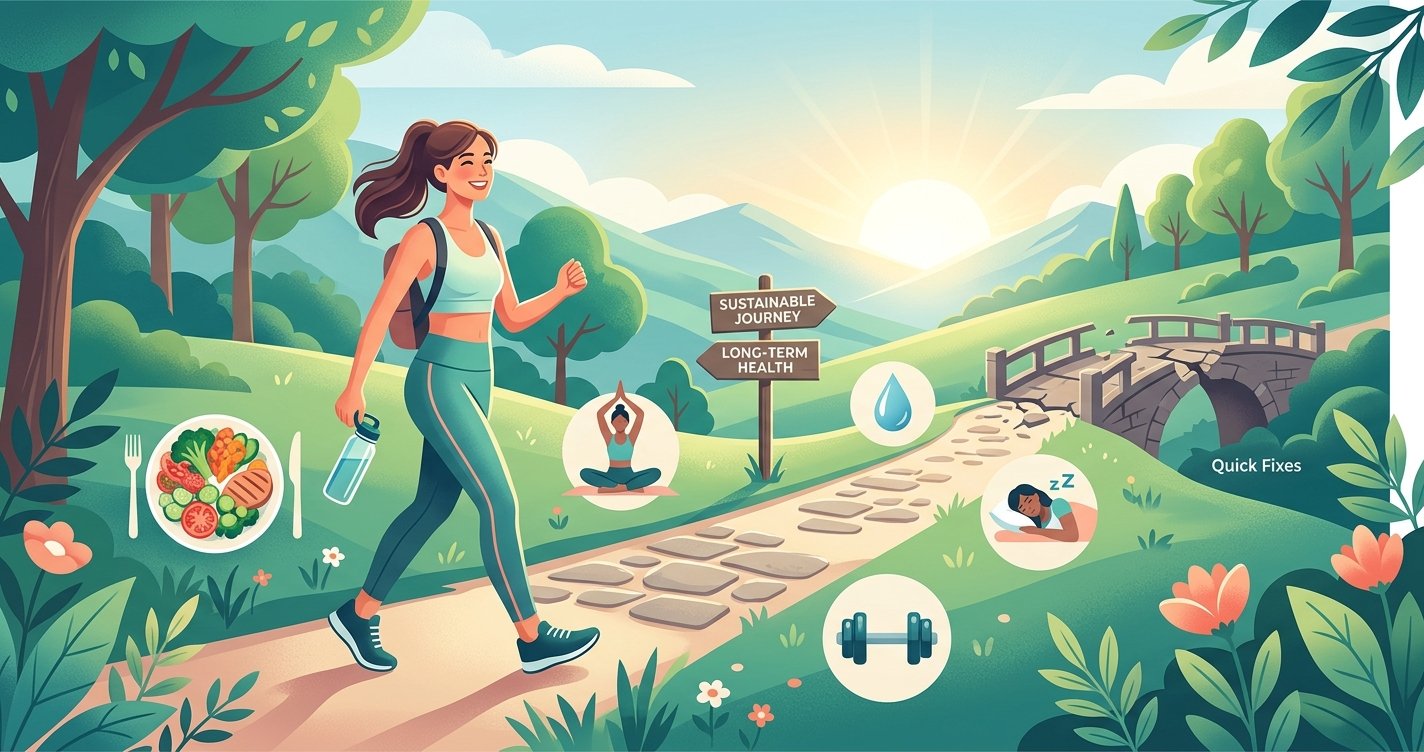
Beyond the Quick Fix: Your Guide to Sustainable Fat Loss That Lasts
Are you tired of the endless cycle of crash diets, rapid weight loss, and then seeing the pounds creep back on? You’re not alone. In a world obsessed with instant gratification, it's easy to fall prey to quick-fix promises for fat loss. But here's the honest truth, backed by science: sustainable fat loss isn't about deprivation or extreme measures. It's about building healthy habits that you can maintain for life, leading to lasting results and a healthier, happier you.
This comprehensive guide will steer you away from the pitfalls of temporary solutions and empower you with evidence-based strategies for achieving and maintaining your fat loss goals. Get ready to transform your body and your relationship with food and fitness, one sustainable step at a time! this excellent wellness product
Why Quick Fixes Fail (and What Really Works)
The allure of losing 10 pounds in a week is powerful, but these rapid methods often come at a cost. Most extreme diets lead to significant water and muscle loss, not just fat. When you drastically cut calories or eliminate entire food groups, your body goes into survival mode, slowing your metabolism to conserve energy. As soon as you return to normal eating, your body, now more efficient at storing energy, quickly regains the lost weight, often with extra.
The Yo-Yo Trap
This frustrating cycle, known as yo-yo dieting, isn't just disheartening; it can actually make future fat loss harder. Repeated cycles of weight loss and regain can negatively impact your metabolism, body composition, and even your mental health. It reinforces the idea that you're 'failing,' when in reality, the diet itself is designed to fail in the long run.
The Science of Sustainability
True, sustainable fat loss focuses on gradual, consistent changes that promote a healthy relationship with food and activity. Research consistently shows that a moderate caloric deficit, combined with adequate protein intake and regular exercise, is the most effective and safest path to long-term fat loss. This approach protects your muscle mass, supports your metabolism, and teaches you lifelong habits.
The Cornerstone of Sustainable Fat Loss: Nutrition
When it comes to fat loss, nutrition plays the starring role. You simply cannot out-exercise a poor diet. But 'dieting' doesn't have to mean misery. It means making smart, informed choices.
Embrace a Caloric Deficit (Smartly!)
At its core, fat loss requires consuming fewer calories than your body burns – a caloric deficit. However, 'fewer' doesn't mean 'starving.' A healthy, sustainable deficit is typically around 300-500 calories below your maintenance level. This allows for steady fat loss (1-2 pounds per week) without triggering extreme hunger or metabolic slowdown. Focus on nutrient-dense foods that keep you full and satisfied.
Power Up with Protein
Protein is your best friend for fat loss. It's highly satiating, meaning it keeps you feeling fuller for longer, reducing cravings. More importantly, protein helps preserve muscle mass during a caloric deficit, which is crucial because muscle burns more calories at rest than fat. Aim for 0.7-1 gram of protein per pound of body weight daily from sources like lean meats, poultry, fish, eggs, dairy, and plant-based options like legumes and tofu.
Don't Fear the Carbs (or Fats!)
Contrary to popular fad diets, you don't need to eliminate entire macronutrient groups. Complex carbohydrates (whole grains, fruits, vegetables) provide essential energy, fiber, and micronutrients. Healthy fats (avocado, nuts, seeds, olive oil) are vital for hormone production, nutrient absorption, and satiety. The key is moderation and choosing quality sources. Focus on whole, unprocessed foods over refined sugars and unhealthy trans fats.
The Magic of Fiber and Whole Foods
Fiber-rich foods (fruits, vegetables, whole grains, legumes) are incredibly beneficial. Fiber adds bulk to your meals, promoting fullness, and aids in digestion. Prioritizing whole, unprocessed foods naturally increases your nutrient intake while reducing exposure to hidden sugars, unhealthy fats, and excessive sodium often found in processed items. Think vibrant plates packed with colorful produce!
Move Your Body: Exercise for Lasting Results
While nutrition sets the foundation, exercise is the powerful accelerator for fat loss and overall health. It helps burn calories, build muscle, improve mood, and boost your metabolism.
Strength Training: Your Fat-Burning Secret Weapon
If you're not lifting weights, you're missing out on one of the most effective tools for fat loss. Strength training builds and maintains muscle mass. More muscle means a higher resting metabolic rate, meaning your body burns more calories even when you're not exercising. Aim for 2-4 full-body strength training sessions per week, focusing on compound movements like squats, deadlifts, presses, and rows.
Cardio: A Helping Hand, Not the Only Answer
Cardiovascular exercise, like brisk walking, jogging, cycling, or swimming, is excellent for heart health and burns calories. It complements strength training beautifully. While not as effective as strength training for preserving muscle during a deficit, it certainly contributes to creating that all-important caloric deficit. Find activities you enjoy to ensure consistency – whether it's daily walks or a few HIIT sessions a week.
Move More, Live More (NEAT)
Don't underestimate the power of Non-Exercise Activity Thermogenesis (NEAT). This refers to the calories burned from everyday activities outside of structured exercise – walking to work, taking the stairs, cleaning, fidgeting. Increasing your NEAT by simply moving more throughout your day can significantly contribute to your overall calorie expenditure. Get up and walk around every hour, take the stairs, park further away – every step counts!
The Mind-Body Connection: Beyond Diet and Exercise
Sustainable fat loss isn't just physical; it's deeply psychological. Neglecting mental well-being can derail even the best nutrition and exercise plans.
Prioritize Sleep
Lack of sleep can wreak havoc on your hormones, specifically ghrelin (the hunger hormone) and leptin (the satiety hormone). When you're sleep-deprived, ghrelin levels rise, making you feel hungrier, while leptin levels drop, making you feel less full. This can lead to increased cravings and overeating. Aim for 7-9 hours of quality sleep per night.
Master Stress Management
Chronic stress triggers the release of cortisol, a hormone that can promote fat storage, particularly around the abdomen. Stress can also lead to emotional eating. Incorporate stress-reducing activities into your daily routine, such as meditation, yoga, deep breathing exercises, spending time in nature, or engaging in hobbies you enjoy.
Cultivate Mindfulness and Patience
Mindful eating involves paying attention to your body's hunger and fullness cues, savoring your food, and eating without distraction. This can prevent overeating and help you develop a healthier relationship with food. Patience is also paramount. Fat loss is a journey, not a race. Celebrate small victories and understand that progress isn't always linear. There will be plateaus, but consistency is key.
Building Habits That Stick
The secret to lasting fat loss lies in transforming temporary efforts into permanent lifestyle habits.
Small Changes, Big Impact
Don't try to overhaul everything at once. Start with one or two small, manageable changes – perhaps adding an extra serving of vegetables to dinner, drinking more water, or taking a 15-minute walk daily. Once these become routine, add another. These small, incremental changes are much easier to sustain and build momentum.
Consistency Over Perfection
No one is perfect, and you don't need to be. There will be days when you overeat, miss a workout, or don't get enough sleep. That's okay! The key is to get back on track with your next meal or next opportunity. Don't let one 'slip-up' derail your entire journey. Consistency over weeks and months yields far greater results than a few perfect days.
Seek Support and Accountability
You don't have to do this alone. Share your goals with a supportive friend or family member, join a fitness community, or consider working with a coach. Having someone to share your successes with and hold you accountable can make a tremendous difference in your motivation and adherence.
Your Sustainable Path Forward
Sustainable fat loss is about empowering yourself with knowledge, making informed choices, and fostering a loving, patient relationship with your body. It's a journey of self-discovery, resilience, and consistent effort. By focusing on whole, nutritious foods, incorporating regular strength training and movement, prioritizing sleep and stress management, and building habits that truly last, you're not just losing fat – you're building a foundation for a healthier, more vibrant life.
Forget the quick fixes. Embrace the journey of sustainable change, and watch as you not only achieve your fat loss goals but also cultivate a lifestyle of lasting well-being. Your future self will thank you for it!