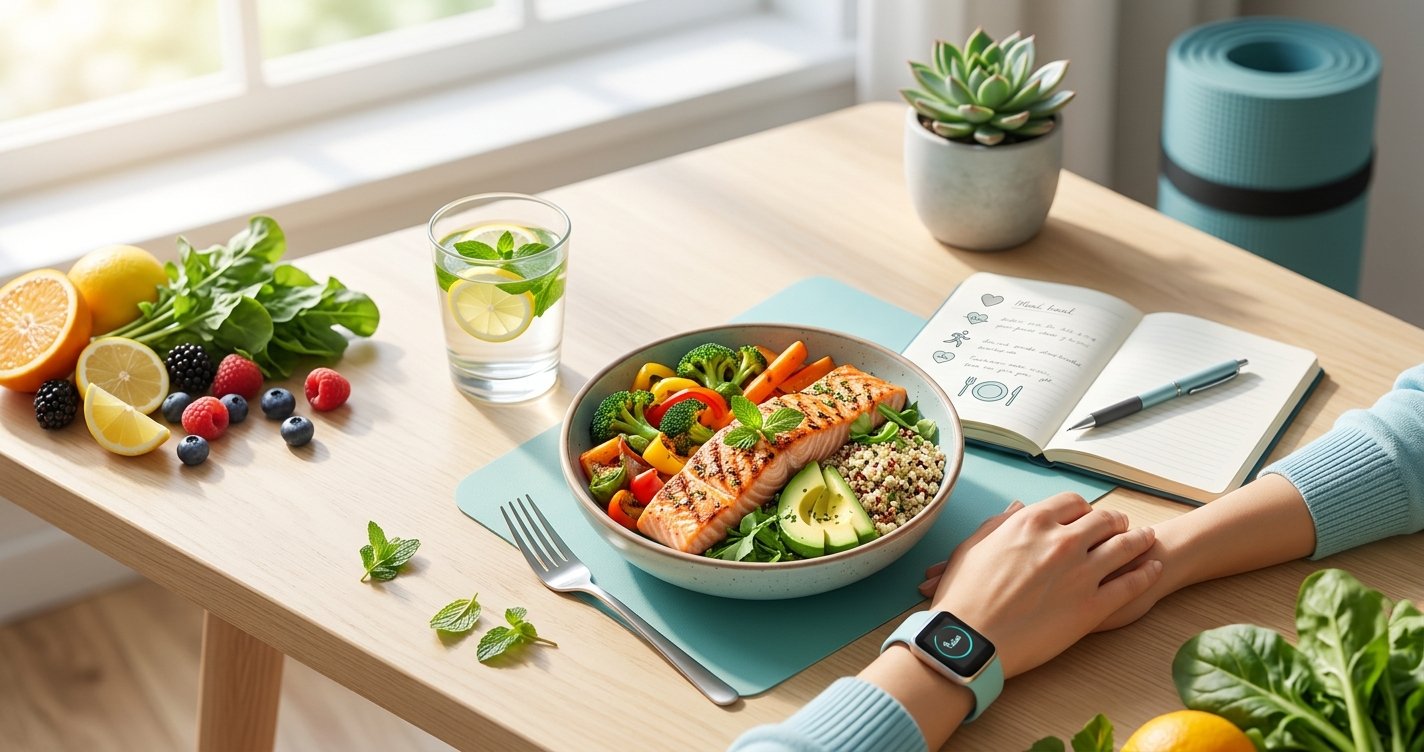
Are you tired of the endless cycle of restrictive diets, quick fixes, and disappointing results? You’re not alone. The journey to fat loss can often feel overwhelming, filled with conflicting advice and unrealistic expectations. But what if we told you there’s a more effective, lasting path? A path that focuses on nourishing your body, embracing movement, and fostering a positive mindset?
This isn't about deprivation; it's about empowerment. We're diving deep into the science-backed strategies for sustainable fat loss, helping you build healthy habits that stick for life. Forget the crash diets and detox teas – it's time to build a healthier, happier you, one smart choice at a time. this excellent wellness product
The Truth About Fat Loss: Why Sustainability Matters Most
Before we jump into specific strategies, let’s get real about what truly drives fat loss and why quick fixes often fail. At its core, fat loss comes down to a simple principle: consuming fewer calories than your body expends – known as a caloric deficit. However, the way you achieve this deficit makes all the difference.
Crash diets, extreme restrictions, and grueling workout regimens might show initial results, but they are rarely sustainable. They often lead to nutrient deficiencies, muscle loss (not just fat!), metabolic slowdown, and ultimately, rebound weight gain. Your body is smart; it will fight back against extreme deprivation. Sustainable fat loss, on the other hand, prioritizes gradual, consistent changes that your body and mind can adapt to, leading to lasting results and improved overall health. It’s about creating a lifestyle, not just a temporary fix.
Nutrition: Fueling Your Body, Not Depriving It
Your plate is your most powerful tool in the fat loss journey. But ‘eating less’ isn’t the full story; ‘eating smarter’ is the key. Focus on nutrient-dense, whole foods that keep you feeling full and satisfied, while naturally supporting a caloric deficit.
Prioritize Protein for Satiety and Muscle Preservation
- Why it works: Protein has a high thermic effect (meaning your body burns more calories digesting it), is incredibly satiating, and crucial for preserving muscle mass during fat loss.
- How to do it: Include a source of lean protein (chicken, fish, eggs, Greek yogurt, tofu, lentils) in every meal.
Embrace Fiber-Rich Foods for Digestive Health and Fullness
- Why it works: Fiber adds bulk to your meals without adding many calories, helps regulate blood sugar, and keeps your digestive system happy.
- How to do it: Load up on vegetables, fruits, whole grains (oats, quinoa), and legumes.
Choose Healthy Fats Wisely
- Why it works: Fats are essential for hormone production and nutrient absorption. While calorie-dense, healthy fats can contribute to satiety.
- How to do it: Opt for sources like avocados, nuts, seeds, and olive oil in moderation.
Mindful Eating: Listen to Your Body
Beyond what you eat, how you eat matters. Practice mindful eating by paying attention to your hunger and fullness cues, eating slowly, and savoring your meals. This can help prevent overeating and build a healthier relationship with food.
The Power of Movement: More Than Just Burning Calories
Exercise is a vital component of sustainable fat loss, not just for burning calories, but for building strength, boosting metabolism, and improving mood. It's about finding activities you enjoy and making them a consistent part of your life.
Strength Training: Your Metabolic Supercharger
- Why it works: Building muscle mass is incredibly beneficial. Muscle tissue burns more calories at rest than fat tissue, meaning a more muscular body has a higher resting metabolic rate. Strength training also shapes your physique and improves bone density.
- How to do it: Aim for 2-4 sessions per week, targeting all major muscle groups. You can use weights, resistance bands, or your own body weight.
Cardiovascular Exercise: Heart Health and Calorie Burn
- Why it works: Cardio, like brisk walking, jogging, cycling, or swimming, is excellent for heart health, endurance, and contributes to your daily calorie expenditure.
- How to do it: Incorporate 150-300 minutes of moderate-intensity cardio per week. Find an activity you genuinely enjoy to make it sustainable!
NEAT: Move More, Sit Less
Non-Exercise Activity Thermogenesis (NEAT) refers to the calories burned through everyday activities that aren’t structured exercise – walking to work, taking the stairs, cleaning, fidgeting. Increasing your NEAT can significantly contribute to your overall calorie expenditure without feeling like a workout.
Lifestyle Factors: The Unsung Heroes of Fat Loss
While nutrition and exercise often steal the spotlight, several crucial lifestyle factors play a huge, often underestimated, role in your fat loss success.
Quality Sleep: Recharge and Recover
- Why it works: Lack of sleep can disrupt hormones that regulate hunger (ghrelin) and satiety (leptin), making you hungrier and more likely to crave unhealthy foods. It also impairs decision-making and reduces energy for workouts.
- How to do it: Aim for 7-9 hours of quality sleep per night. Establish a consistent sleep schedule and create a relaxing bedtime routine.
Stress Management: Taming the Cortisol Beast
- Why it works: Chronic stress elevates cortisol levels, a hormone that can promote fat storage, especially around the abdomen. Stress can also lead to emotional eating.
- How to do it: Practice stress-reducing techniques like meditation, yoga, deep breathing, spending time in nature, or engaging in hobbies you love.
Hydration: Simple Yet Powerful
- Why it works: Staying well-hydrated is essential for all bodily functions, can help you feel fuller, and sometimes hunger cues are actually thirst cues in disguise.
- How to do it: Drink plenty of water throughout the day. Keep a water bottle handy as a reminder.
Mindset Matters: Cultivating Patience and Persistence
Fat loss is a journey, not a race. There will be ups and downs, plateaus, and moments of frustration. Your mindset is your greatest asset in navigating these challenges.
Embrace Non-Scale Victories
The scale doesn't tell the whole story. Celebrate improved energy levels, better sleep, stronger lifts, clothes fitting better, clearer skin, and enhanced mood. These are powerful indicators of progress and health.
Practice Self-Compassion
Don't beat yourself up over occasional slip-ups. One unhealthy meal or missed workout won't derail your entire journey. Learn from it, forgive yourself, and get back on track with kindness and determination.
Focus on Habits, Not Just Outcomes
Instead of fixating solely on a target weight, focus on consistently implementing your healthy habits. The positive outcomes will naturally follow.
Building Your Sustainable Fat Loss Plan: Actionable Steps
Ready to put this into action? Here's how to start building your personalized, sustainable fat loss plan:
- Start Small: Don't try to overhaul everything at once. Pick one or two habits to focus on first (e.g., adding protein to breakfast, walking 20 minutes daily).
- Track Progress: Monitor your food intake (even for a few days) to understand your current habits. Track workouts, sleep, and how you feel.
- Meal Prep Smart: Plan your meals and snacks in advance to ensure you have healthy options readily available.
- Move Your Body Daily: Find ways to incorporate movement every day, even if it's just a brisk walk.
- Prioritize Sleep & Stress: Treat these as non-negotiables for your health and fat loss.
- Seek Support: Share your goals with a trusted friend, family member, or consider working with a coach.
Your Journey to a Healthier, Happier You Starts Now
Sustainable fat loss isn't about perfection; it's about consistency, education, and self-compassion. By focusing on balanced nutrition, consistent movement, adequate sleep, and stress management, you're not just losing weight – you're building a foundation for lifelong health and well-being. Embrace this journey with patience and determination, and celebrate every step of your progress. You've got this!