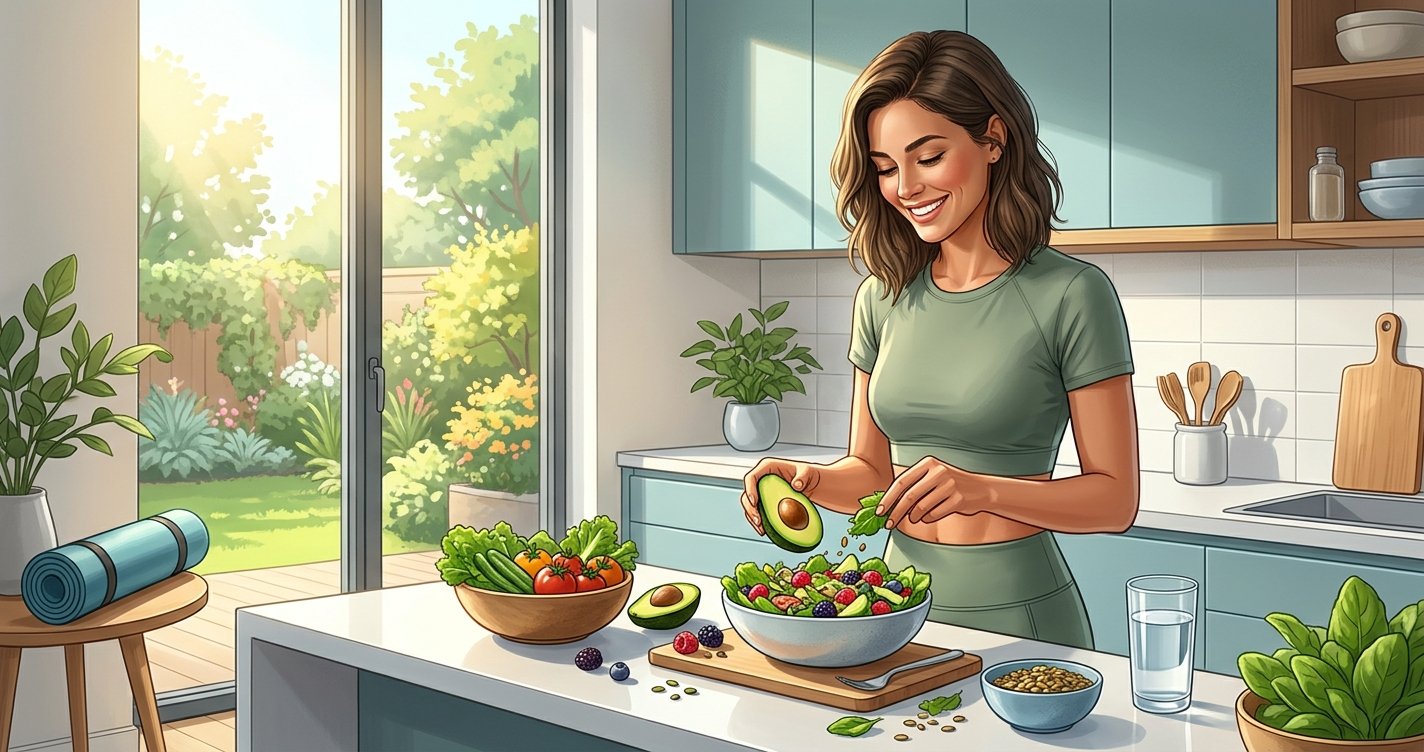
Tired of the Yo-Yo? Discover Sustainable Fat Loss That Truly Lasts
Let's be honest: the world of fat loss can feel like a dizzying maze of quick fixes, extreme diets, and impossible promises. You’ve probably tried a few, seen some initial results, only to find yourself back where you started – or even further behind. It’s frustrating, disheartening, and frankly, exhausting. But what if there was a different way? A path that prioritizes your health, energy, and long-term well-being over fleeting numbers on a scale?
This isn't another crash diet manifesto. This is your friendly, evidence-based guide to sustainable fat loss – the kind that helps you shed unwanted fat, build a stronger body, and cultivate habits that stick for life. We’re going to cut through the noise, empower you with practical strategies, and most importantly, encourage you to be kind to yourself on this transformative journey. Ready to ditch the yo-yo and embrace lasting change? Let’s dive in! this excellent wellness product
The Lure of the Quick Fix: Why It Often Fails
The appeal of rapid fat loss is powerful. Who wouldn't want to drop 10 pounds in a week? Unfortunately, these promises often come at a cost. Extreme calorie restriction, detoxes, and highly restrictive diets might deliver initial weight loss, but much of it is often water weight or even muscle. When you drastically cut calories, your body perceives it as a famine and adapts by slowing down your metabolism to conserve energy. This makes it harder to lose fat and incredibly easy to regain weight once you return to a more normal eating pattern.
Beyond the metabolic pitfalls, quick fixes are also emotionally and psychologically draining. They foster an 'all or nothing' mentality, leading to feelings of deprivation, guilt, and ultimately, burnout. This cycle not only sabotages your physical progress but can also damage your relationship with food and your body. True, sustainable fat loss isn't about deprivation; it's about intelligent nourishment and consistent, healthy choices.
Building Your Foundation: Calorie Deficit (Without Starvation)
At its core, fat loss boils down to one fundamental principle: consuming fewer calories than your body expends. This is known as a calorie deficit. However, the key to sustainability lies in creating a *moderate* deficit, not an extreme one. Aim for a deficit of 300-500 calories below your maintenance level. This allows your body to tap into its fat stores for energy without triggering drastic metabolic slowdowns or severe hunger.
- Understanding Your Maintenance: There are online calculators that can estimate your Total Daily Energy Expenditure (TDEE). This is a good starting point.
- Focus on Nutrient Density: Prioritize whole, unprocessed foods like lean proteins, vegetables, fruits, and whole grains. These foods are rich in nutrients, fiber, and water, which help you feel full and satisfied on fewer calories.
- Listen to Your Body: Pay attention to hunger and fullness cues. Practice mindful eating, slowing down and savoring your meals. This can naturally help you eat less without feeling deprived.
Fueling Your Body: Macronutrients for Success
While a calorie deficit is paramount, the composition of those calories — your macronutrients (protein, carbohydrates, fats) — plays a crucial role in feeling full, preserving muscle, and supporting your overall health.
Protein Power: Your Best Friend for Fat Loss
Protein is king when it comes to fat loss. It’s the most satiating macronutrient, meaning it keeps you feeling fuller for longer, reducing the urge to snack. It also has a higher thermic effect of food (TEF), meaning your body burns more calories digesting protein than carbs or fats. Most importantly, adequate protein intake is crucial for preserving lean muscle mass during a calorie deficit, which helps maintain a healthy metabolism.
Smart Carbs: Energy and Fiber
Carbohydrates are your body's primary energy source. Don't fear them! The key is choosing the right kind. Opt for complex carbohydrates like whole grains (oats, brown rice, quinoa), fruits, and vegetables. These are rich in fiber, which aids digestion, promotes satiety, and helps regulate blood sugar levels. Limit refined carbohydrates (white bread, sugary drinks, pastries) which offer little nutritional value and can lead to energy crashes.
Healthy Fats: Essential for Hormones and Satiety
Fats are vital for hormone production, nutrient absorption, and overall cellular function. While calorie-dense, healthy fats (avocado, nuts, seeds, olive oil, fatty fish) contribute to satiety and provide essential fatty acids your body can't produce. Consume them in moderation, focusing on unsaturated fats, to support your health and help you feel satisfied after meals.
Moving Your Body: Exercise for Fat Loss and Beyond
While nutrition is the primary driver of fat loss, exercise is your powerful ally for sculpting your body, boosting your metabolism, and enhancing your overall health and well-being. It's not just about burning calories; it's about building a stronger, more resilient you.
Strength Training is Your Secret Weapon
If you're not lifting weights, you're missing out on a huge opportunity for sustainable fat loss. Strength training builds and preserves muscle mass. More muscle means a higher resting metabolism, as muscle tissue burns more calories at rest than fat tissue. It also improves your body composition, making you look leaner and more toned even at the same weight. Aim for 2-4 full-body strength training sessions per week.
Cardio for Health and Calorie Burn
Cardiovascular exercise is excellent for heart health, endurance, and burning extra calories. This could be anything from brisk walking, jogging, cycling, swimming, or dancing. Find activities you genuinely enjoy, as consistency is key. Incorporate both steady-state cardio (longer duration, moderate intensity) and high-intensity interval training (HIIT) for varied benefits.
NEAT: The Unsung Hero of Daily Activity
Non-Exercise Activity Thermogenesis (NEAT) refers to the calories you burn through everyday movements not related to structured exercise. Think walking to work, taking the stairs, gardening, fidgeting, or even standing instead of sitting. Increasing your NEAT can significantly contribute to your daily calorie expenditure without feeling like a 'workout.' Look for opportunities to move more throughout your day.
The Mind-Body Connection: Sleep, Stress, and Mindset
Fat loss isn't just about what you eat and how you move; it's deeply intertwined with your mental and emotional well-being. Neglecting these areas can silently sabotage your best efforts.
Prioritize Sleep for Optimal Hormones
Poor sleep can wreak havoc on your fat loss efforts. When you're sleep-deprived, your body produces more ghrelin (the hunger hormone) and less leptin (the satiety hormone), making you feel hungrier and less satisfied. It also elevates cortisol, the stress hormone, which can promote fat storage, especially around the midsection. Aim for 7-9 hours of quality sleep per night.
Manage Stress to Curb Emotional Eating
Chronic stress, like sleep deprivation, leads to elevated cortisol levels. High cortisol can increase appetite, cravings for sugary and fatty foods, and promote abdominal fat storage. Find healthy ways to manage stress: meditation, yoga, spending time in nature, journaling, or connecting with loved ones. Identifying and addressing emotional eating triggers is also crucial.
Cultivate a Growth Mindset: Patience and Consistency
Sustainable fat loss is a marathon, not a sprint. It requires patience, consistency, and a growth mindset. There will be good days and challenging days. Instead of viewing setbacks as failures, see them as learning opportunities. Celebrate small victories, focus on progress over perfection, and practice self-compassion. Your journey is unique, and progress isn't always linear.
Practical Strategies for Long-Term Success
- Meal Planning & Prep: Spend a little time planning your meals and snacks for the week. This reduces impulsive, unhealthy choices and ensures you have nutritious options readily available.
- Hydration is Key: Drink plenty of water throughout the day. Sometimes, thirst is mistaken for hunger. Water also aids metabolism and helps you feel full.
- Track Progress (Beyond the Scale): While the scale can be a tool, don't let it be the only measure. Take photos, measure inches, notice how your clothes fit, track strength gains, and observe improvements in energy and mood.
- Seek Support: Share your goals with a trusted friend, family member, or consider working with a coach. Accountability and support can make a huge difference.
- Be Consistent, Not Perfect: Don't aim for perfection; aim for consistency. One 'off' meal or day won't derail your progress. Get back on track with your next choice.
Your Journey to Lasting Change Starts Now
Embarking on a sustainable fat loss journey means letting go of the quick-fix mentality and embracing a holistic approach to your health. It’s about making gradual, manageable changes that you can stick with for life. It’s about nourishing your body, moving with purpose, prioritizing rest, and cultivating a resilient mindset.
Remember, this isn't about chasing an arbitrary number; it’s about feeling strong, energetic, and confident in your own skin. Start small, be consistent, and celebrate every step forward. Your body will thank you for it, and you'll discover a healthier, happier you that truly lasts. What’s one small, sustainable change you can commit to starting today?