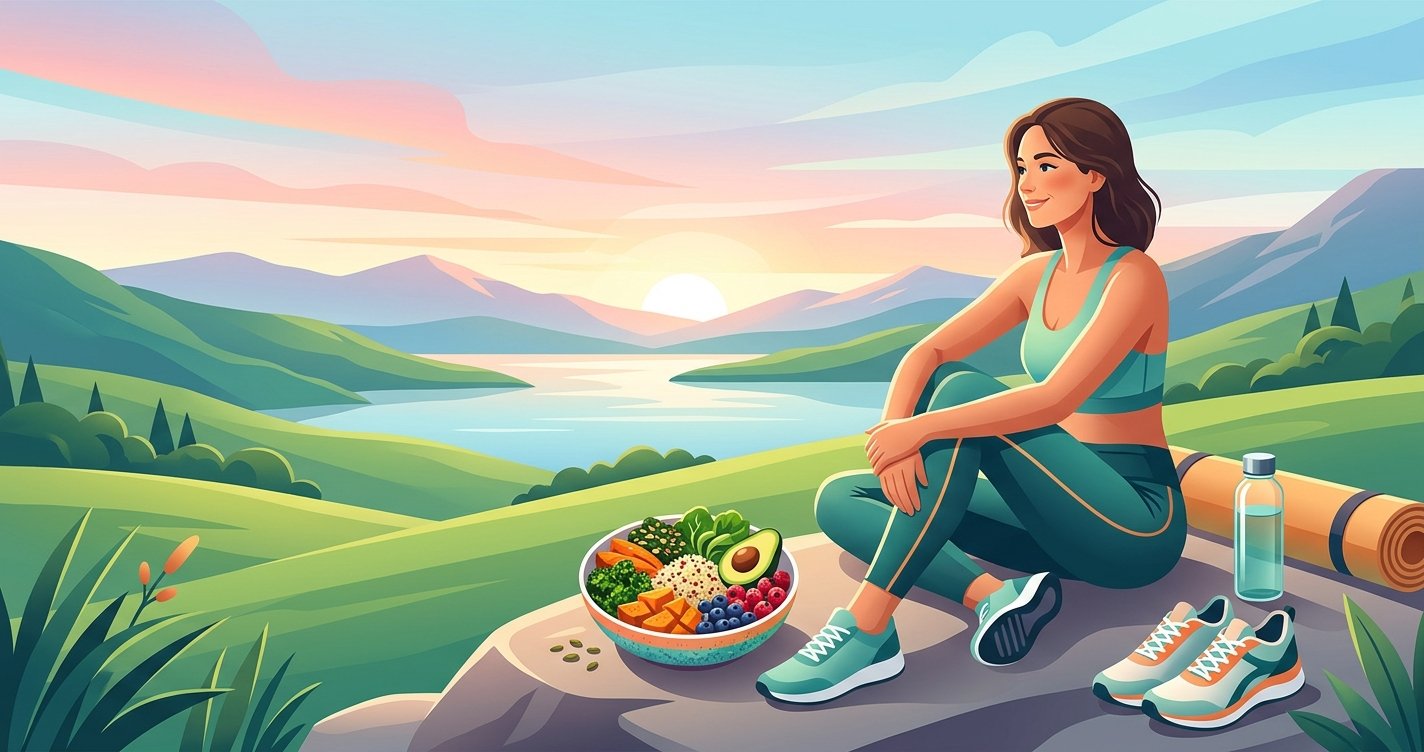
Beyond the Quick Fix: Your Ultimate Guide to Sustainable Fat Loss
In a world obsessed with instant gratification, the promise of rapid fat loss can be incredibly alluring. We're bombarded with flashy headlines and extreme diets promising to melt away pounds in days. But if you’ve ever tried one of these “quick fixes,” you probably know the disheartening reality: the weight often comes back, sometimes with a vengeance, leaving you frustrated and feeling defeated. This frustrating cycle, often called 'yo-yo dieting,' isn’t just bad for your morale; it can also be detrimental to your metabolism and overall health.
The truth is, lasting fat loss isn't about deprivation or extreme measures; it's about building sustainable habits that support your body and mind for the long haul. It’s about understanding the science, being kind to yourself, and making consistent, manageable changes that fit into your real life. This isn't a race; it's a journey towards a healthier, happier you. In this comprehensive guide, we'll ditch the fads and dive into evidence-based strategies for achieving sustainable fat loss that truly lasts. this excellent wellness product
The Lure of the Quick Fix Trap
Why are we so drawn to quick fixes? Because they promise an easy escape from discomfort and the perceived hard work of change. Restrictive diets, detox teas, and miracle pills offer a seductive vision of rapid transformation. However, these methods often lead to:
- Rapid Water Weight Loss: Many initial results are simply water loss, not actual fat.
- Muscle Loss: Extremely low-calorie diets can cause your body to break down muscle for energy, which lowers your metabolism.
- Nutrient Deficiencies: Restrictive eating patterns often exclude essential food groups, leading to a lack of vital vitamins and minerals.
- Metabolic Slowdown: Your body adapts to severe calorie restriction by slowing down its metabolism, making it harder to lose weight in the long run and easier to regain it once you stop the diet.
- Unhealthy Relationship with Food: The 'all or nothing' mentality fosters guilt, shame, and often leads to binge eating.
Sustainable fat loss, on the other hand, focuses on nourishing your body, respecting your hunger cues, and making incremental changes that you can maintain indefinitely. It’s about thriving, not just surviving.
Building Your Foundation: The Pillars of Sustainable Fat Loss
True, lasting fat loss starts with a solid understanding of nutrition. It’s not about perfection, but about consistent, smart choices.
Pillar 1: Calorie Awareness, Not Calorie Obsession
At its core, fat loss boils down to one fundamental principle: consuming fewer calories than your body burns – a calorie deficit. However, this doesn't mean meticulously counting every single calorie for the rest of your life. Instead, cultivate calorie awareness. Understand which foods are calorie-dense versus nutrient-dense, and how portion sizes impact your intake.
How to Create a Sustainable Calorie Deficit:
- Estimate Your TDEE (Total Daily Energy Expenditure): Use an online calculator to get a baseline for how many calories your body burns daily.
- Aim for a Moderate Deficit: A deficit of 300-500 calories per day is generally effective for sustainable fat loss (1-2 pounds per week) without being overly restrictive.
- Focus on Nutrient Density: Prioritize whole, unprocessed foods that provide more volume and nutrients for fewer calories.
Tracking calories for a short period can be an excellent educational tool to understand your typical intake, but the goal is to learn and then apply that knowledge intuitively.
Pillar 2: Prioritizing Protein for Satiety and Muscle Preservation
Protein is your best friend when it comes to fat loss. It's the most satiating macronutrient, meaning it keeps you feeling fuller for longer, which helps reduce overall calorie intake. Furthermore, your body expends more energy digesting protein (the thermic effect of food) compared to fats or carbohydrates. Crucially, adequate protein intake helps preserve muscle mass while you're in a calorie deficit, which is vital for maintaining a healthy metabolism.
Good Protein Sources: Lean meats (chicken, turkey, fish), eggs, dairy (Greek yogurt, cottage cheese), legumes (lentils, beans), tofu, tempeh, and protein supplements.
Pillar 3: Embracing Whole Foods and Smart Carbs/Fats
While protein is king, carbohydrates and fats play essential roles too. The key is to choose them wisely.
- Complex Carbohydrates: Found in whole grains (oats, quinoa, brown rice), fruits, and vegetables. These provide sustained energy, fiber (which aids digestion and satiety), and vital micronutrients. Limit refined carbs like white bread, sugary cereals, and pastries that offer little nutritional value and can cause blood sugar spikes.
- Healthy Fats: Essential for hormone production, nutrient absorption, and overall health. Sources include avocados, nuts, seeds, olive oil, and fatty fish. While healthy, fats are calorie-dense, so consume them in moderation. Avoid trans fats found in many processed foods.
Focus on a balanced plate: plenty of vegetables, a lean protein source, a serving of complex carbohydrates, and a small amount of healthy fats at each meal. This approach ensures you get all the nutrients you need while feeling satisfied.
Movement That Matters: Exercise for Lasting Results
Exercise isn't just about burning calories; it's about building a stronger, healthier, and more metabolically active body.
Strength Training: Your Metabolic Supercharger
If you're only doing cardio, you're missing out on a powerful fat-loss tool. Resistance training builds and maintains muscle mass. Why is this important for fat loss? Because muscle is more metabolically active than fat, meaning it burns more calories at rest. The more muscle you have, the higher your basal metabolic rate (BMR), making it easier to maintain a calorie deficit and burn fat even when you're not exercising.
Benefits of Strength Training:
- Increased BMR
- Improved body composition (more muscle, less fat)
- Enhanced strength and functional fitness
- Better bone density
- Improved insulin sensitivity
Aim for 2-4 strength training sessions per week, targeting all major muscle groups. You can use bodyweight, resistance bands, dumbbells, or gym machines.
Cardio: Enhancing Health and Calorie Burn
Cardiovascular exercise, while not the sole driver of fat loss, plays a crucial supporting role. It burns calories during the activity, improves heart health, boosts mood, and enhances endurance. Incorporate a mix of low-intensity steady-state (LISS) cardio, like brisk walking or cycling, and high-intensity interval training (HIIT) if appropriate for your fitness level. HIIT can be very time-efficient and has an 'afterburn effect' (EPOC) where your body continues to burn calories at an elevated rate post-workout.
Find activities you enjoy – whether it's dancing, hiking, swimming, or playing sports – to ensure consistency.
The Unsung Heroes: Lifestyle Factors for Success
Fat loss isn't just about what you eat and how you move; it's deeply intertwined with your overall lifestyle.
Sleep: The Often-Overlooked Fat Loss Ally
Poor sleep can derail even the best nutrition and exercise plans. When you're sleep-deprived, your body experiences hormonal disruptions:
- Ghrelin (Hunger Hormone) Increases: You feel hungrier.
- Leptin (Satiety Hormone) Decreases: You don't feel full, even after eating.
- Cortisol (Stress Hormone) Increases: Chronic high cortisol can lead to increased fat storage, especially around the belly.
Aim for 7-9 hours of quality sleep per night. Establish a consistent sleep schedule, create a relaxing bedtime routine, and optimize your bedroom environment for darkness and quiet.
Stress Management: Taming Cortisol's Influence
Chronic stress, like sleep deprivation, elevates cortisol levels. This not only promotes fat storage but can also increase cravings for high-sugar, high-fat comfort foods. Finding healthy ways to manage stress is crucial for sustainable fat loss and overall well-being. Incorporate stress-reducing activities into your daily routine: meditation, yoga, spending time in nature, journaling, or connecting with loved ones.
Hydration: Simple Yet Powerful
Drinking enough water is a simple yet incredibly effective tool. Water helps with satiety (sometimes thirst is mistaken for hunger), aids in metabolism, and supports all bodily functions. Keep a water bottle handy and aim for around 8 glasses (or more, depending on activity level) throughout the day.
Cultivating a Sustainable Mindset: Patience and Consistency
Perhaps the most critical component of sustainable fat loss is your mindset. It's about patience, self-compassion, and celebrating progress over perfection.
Ditching Perfection for Progress
No one is perfect, and neither will your fat loss journey be. There will be days when you overeat, miss a workout, or feel discouraged. The key is to avoid the 'all or nothing' trap. One slip-up doesn't ruin your entire progress. Acknowledge it, learn from it, and get back on track with your next meal or workout. Adopt an 80/20 rule: aim for healthy choices 80% of the time, allowing for flexibility and treats 20% of the time.
Celebrating Non-Scale Victories
The scale is just one metric, and it doesn't tell the whole story. Focus on non-scale victories (NSVs) that reflect true progress:
- Increased energy levels
- Clothes fitting better
- Improved strength and endurance
- Better mood and mental clarity
- Reduced cravings
- Better sleep
These victories reinforce positive habits and keep you motivated even when the scale seems stagnant.
Seeking Support and Professional Guidance
You don't have to do this alone. Surround yourself with a supportive community, whether it's friends, family, or online groups. If you're struggling to get started or feel stuck, consider working with a qualified professional like a registered dietitian or a certified personal trainer. They can provide personalized guidance, accountability, and evidence-based strategies tailored to your unique needs.
Your Sustainable Journey Starts Now
Sustainable fat loss isn't a quick fix; it's a profound shift in lifestyle and mindset. It's about building a foundation of healthy habits that nourish your body, strengthen your resolve, and empower you to live your fullest life. It requires patience, consistency, and a willingness to learn and adapt. But the rewards – lasting health, increased energy, and a confident, resilient you – are immeasurable.
Ditch the deprivation, embrace the process, and embark on a journey that will not only transform your body but also your relationship with food, exercise, and yourself. Your sustainable fat loss success story is waiting to be written.