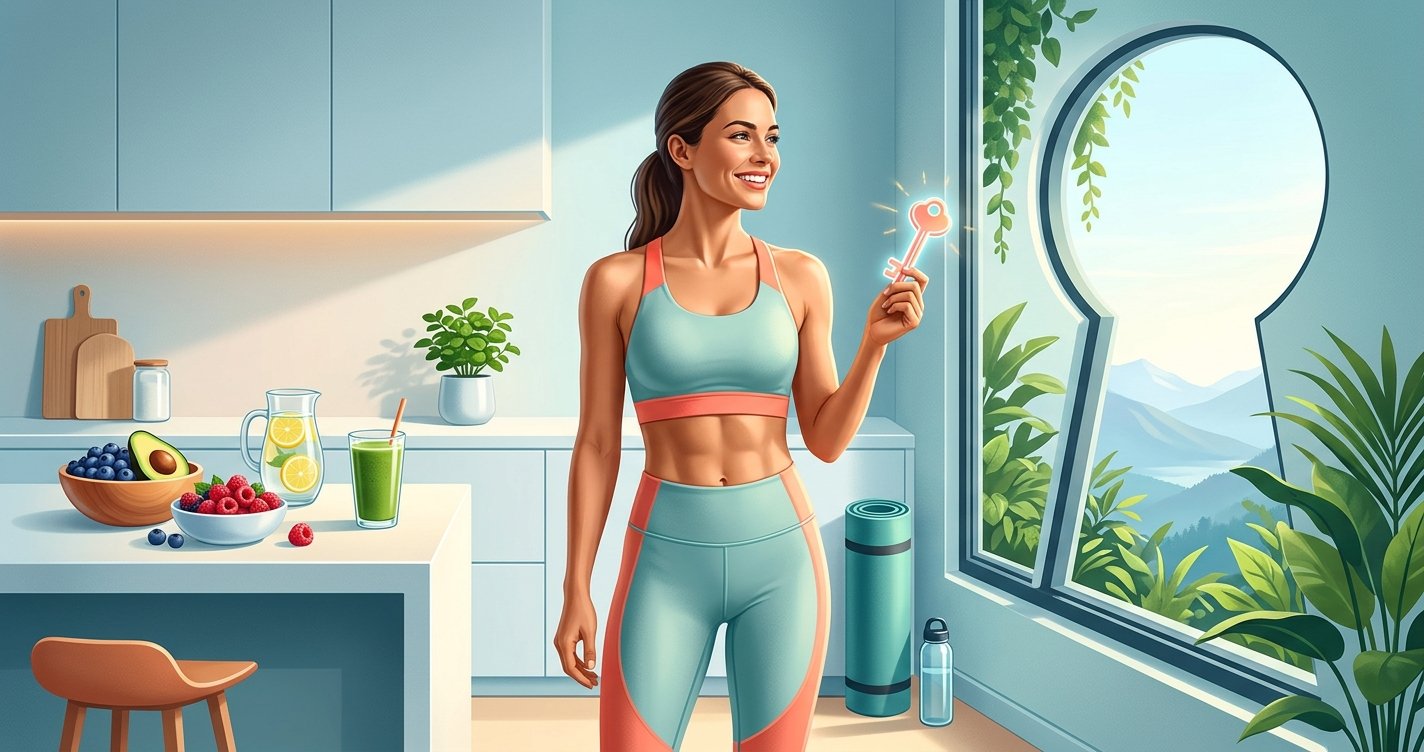
Unlock Lasting Results: Your Guide to Sustainable Fat Loss That Actually Works
Have you ever felt caught in the frustrating cycle of losing weight only to gain it back, often with a vengeance? You’re not alone. The world of fat loss is riddled with quick fixes, extreme diets, and promises that rarely deliver long-term results. But what if there was a different way? A way that focuses not on deprivation, but on building healthy, sustainable habits that transform your body and your relationship with food forever?
This isn't about a crash diet or a magic pill. This is about understanding the science behind effective fat loss and applying practical, evidence-based strategies that you can maintain for life. We’re going to dive deep into how to achieve sustainable fat loss – the kind that sticks – by focusing on nutrition, movement, mindset, and lifestyle. Get ready to ditch the frustration and embrace a journey that leads to lasting change and a healthier, happier you! this excellent wellness product
Why Quick Fixes Fail: Understanding the Foundation of Fat Loss
The allure of rapid weight loss is powerful. Detoxes, extreme calorie restriction, and trendy diets promise dramatic results in days or weeks. While these methods might lead to initial weight drop (often water weight and muscle mass), they are rarely sustainable. Why?
- Metabolic Adaptation: Your body is incredibly smart. When calories are drastically cut, your metabolism slows down to conserve energy, making further fat loss harder.
- Nutrient Deficiencies: Restrictive diets often lack essential nutrients, impacting energy levels, mood, and overall health.
- Unsustainability: Who can stick to eating only cabbage soup forever? These diets are not designed for real life, leading to inevitable rebound weight gain.
- Loss of Muscle Mass: Extreme dieting often leads to the loss of precious muscle, which is metabolically active and crucial for burning calories even at rest.
The fundamental principle of fat loss is creating a caloric deficit: consuming slightly fewer calories than your body burns. However, the key to sustainable fat loss lies in achieving this deficit in a way that nourishes your body, preserves muscle, and feels manageable.
Nourish Your Body: The Sustainable Fat Loss Nutrition Playbook
Forget starvation. Sustainable fat loss through nutrition is about smart choices, not deprivation. It's about fueling your body efficiently.
Protein: Your Best Friend for Fat Loss
Protein is king when it comes to fat loss. Here’s why:
- Satiety: Protein keeps you feeling fuller for longer, reducing cravings and overall calorie intake.
- Thermogenic Effect: Your body uses more energy to digest protein compared to carbs or fats, slightly boosting your metabolism.
- Muscle Preservation: Adequate protein intake is crucial for preserving muscle mass during a caloric deficit, which is vital for maintaining a healthy metabolism.
Aim for a protein source at every meal: lean meats, poultry, fish, eggs, dairy, legumes, tofu, or protein powder. A good general guideline is 0.7-1 gram of protein per pound of body weight.
Fiber-Rich Carbs and Healthy Fats: Don't Fear Them!
Carbohydrates and fats have been unfairly demonized. The truth is, both are essential for health and can be powerful allies in sustainable fat loss:
- Fiber Power: Found in fruits, vegetables, and whole grains, fiber aids digestion, stabilizes blood sugar, and contributes to satiety. Fill half your plate with non-starchy vegetables!
- Healthy Fats: Avocados, nuts, seeds, olive oil, and fatty fish (like salmon) are crucial for hormone production, nutrient absorption, and overall health. They also contribute to satiety. Just remember they are calorie-dense, so portion control is key.
Focus on whole, unprocessed foods. Minimize sugary drinks, refined grains, and highly processed snacks. These typically offer little nutritional value and are easy to overeat.
Mindful Eating and Portion Control
Beyond what you eat, how you eat matters. Practice mindful eating: pay attention to your hunger and fullness cues, eat slowly, and savor your food. Portion control is also critical. Even healthy foods can contribute to a caloric surplus if eaten in excess. Consider using smaller plates or tracking your intake for a period to get a better sense of appropriate portion sizes.
Move Your Body: Exercise for Sustainable Results
Exercise isn't just about burning calories; it's about building a stronger, healthier, and more resilient body. For sustainable fat loss, a combination of strength training and cardiovascular exercise is optimal.
Strength Training: Build Muscle, Boost Metabolism
If you're not lifting weights, you're missing out! Strength training is incredibly effective for fat loss because:
- Increases Muscle Mass: More muscle means a higher resting metabolism, burning more calories even when you're not exercising.
- Shapes Your Body: Beyond the scale, strength training helps sculpt your physique, giving you a toned and athletic look.
- Boosts Bone Density: A crucial benefit for long-term health.
Aim for 2-4 strength training sessions per week, targeting all major muscle groups. You can use weights, resistance bands, or your own body weight.
Cardiovascular Exercise: Heart Health and Calorie Burn
Cardio (running, cycling, swimming, brisk walking) is excellent for heart health, endurance, and burning calories. It complements strength training by improving your cardiovascular fitness and contributing to your overall energy expenditure.
Find activities you enjoy! Whether it's dancing, hiking, or playing sports, consistency is key. Aim for 150-300 minutes of moderate-intensity cardio per week.
The Power of NEAT: Move More Throughout Your Day
Don't underestimate NEAT (Non-Exercise Activity Thermogenesis). This refers to the calories you burn from everyday movements that aren't formal exercise – walking, fidgeting, taking the stairs, cleaning. Small increases in NEAT can significantly contribute to your daily calorie expenditure. Park further away, take standing breaks, or walk during phone calls!
Beyond Food and Exercise: The Crucial Role of Lifestyle
Sustainable fat loss isn't just about what you eat and how you move; it's deeply intertwined with your overall lifestyle.
Sleep: The Unsung Hero of Fat Loss
Lack of sleep can sabotage your fat loss efforts significantly:
- Hormonal Imbalance: Poor sleep increases ghrelin (the hunger hormone) and decreases leptin (the satiety hormone), making you feel hungrier and less satisfied. It also elevates cortisol, a stress hormone linked to increased fat storage, particularly around the abdomen.
- Reduced Energy: Fatigue makes you less likely to exercise and more likely to crave quick energy fixes (like sugary foods).
Aim for 7-9 hours of quality sleep per night. Establish a consistent sleep schedule, create a relaxing bedtime routine, and optimize your sleep environment.
Stress Management: Tame Your Cortisol
Chronic stress triggers the release of cortisol, which can lead to increased appetite, cravings for comfort foods, and a tendency to store fat, especially visceral fat (the dangerous fat around your organs). Finding healthy ways to manage stress is vital for sustainable fat loss and overall well-being.
Incorporate stress-reducing activities into your daily routine: meditation, yoga, deep breathing exercises, spending time in nature, hobbies, or connecting with loved ones.
Mindset Matters: Cultivating Patience and Consistency
Perhaps the most challenging, yet most crucial, aspect of sustainable fat loss is cultivating the right mindset. This journey is a marathon, not a sprint.
- Patience is Key: Real, lasting fat loss takes time. Don't get discouraged by slow progress or plateaus. Focus on consistent effort over perfection.
- Embrace Small Changes: Instead of overhauling everything at once, pick one or two small, manageable changes to implement each week. These small victories build momentum and confidence.
- Celebrate Non-Scale Victories: The scale doesn't tell the whole story. Celebrate increased energy, better sleep, clothes fitting differently, improved strength, and enhanced mood.
- Practice Self-Compassion: There will be days when you slip up. Instead of self-criticism, acknowledge it, learn from it, and get back on track. Be kind to yourself!
- Seek Support: Whether it's a friend, family member, coach, or online community, having a support system can make a huge difference in staying motivated and accountable.
Building Sustainable Habits for Long-Term Success
The ultimate goal is to integrate these strategies into your lifestyle so they become second nature. This isn't a temporary diet; it's a permanent upgrade to your health.
- Meal Planning & Prep: Dedicate some time each week to plan your meals and prep healthy snacks. This reduces impulse eating and ensures you have nutritious options readily available.
- Stay Hydrated: Drink plenty of water throughout the day. Sometimes thirst can be mistaken for hunger.
- Learn to Cook: Taking control of your food preparation is one of the most powerful tools for sustainable fat loss.
- Listen to Your Body: Pay attention to how different foods and activities make you feel. This biofeedback is invaluable for tailoring your approach.
Your Sustainable Fat Loss Journey Starts Now!
Achieving sustainable fat loss isn't about deprivation or quick fixes; it's about empowerment. It’s about making informed choices, building healthy habits, and nurturing your body and mind. By focusing on adequate protein, fiber, and healthy fats, incorporating both strength and cardio exercise, prioritizing sleep, managing stress, and cultivating a patient, compassionate mindset, you are setting yourself up for success that truly lasts.
This journey is unique to you. Start small, be consistent, and celebrate every step forward. You have the power to transform your health and achieve the lasting results you deserve. What's one small change you can make today to start your sustainable fat loss journey?