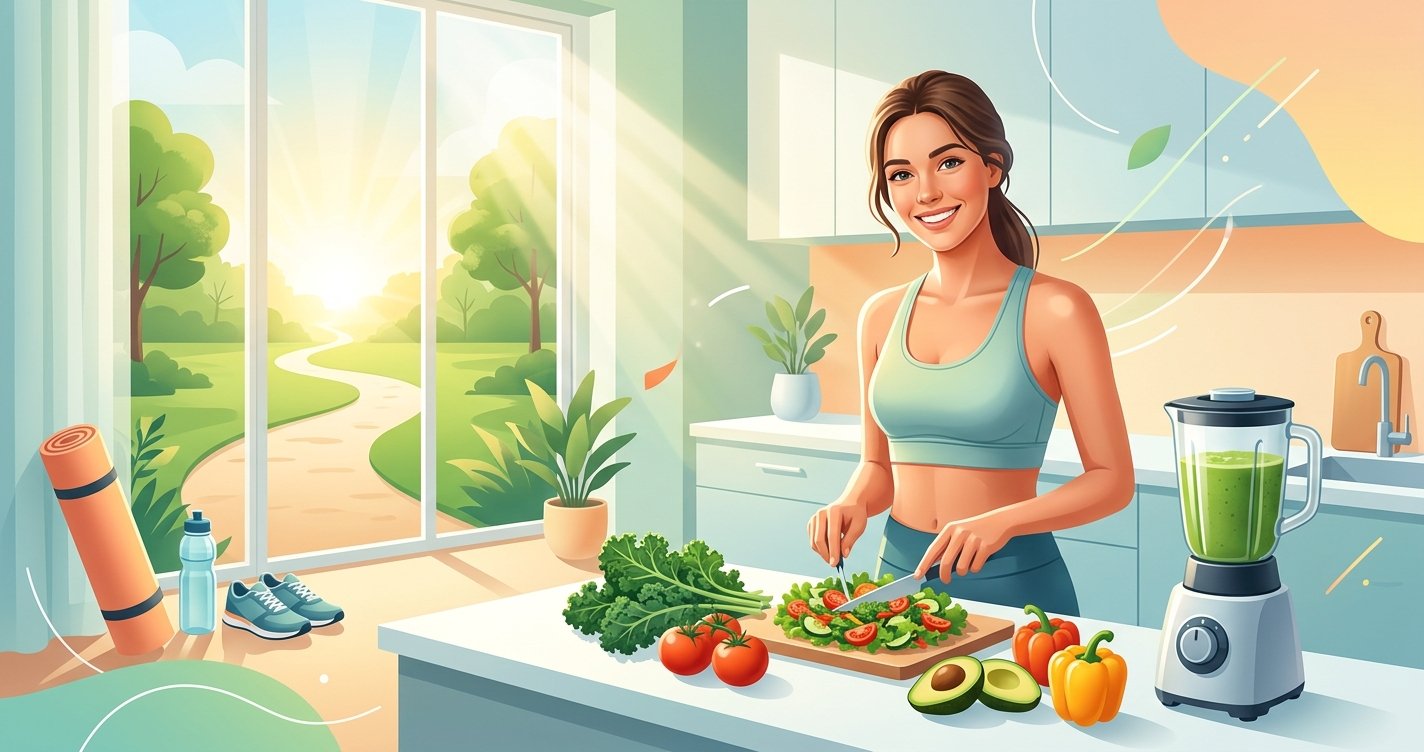
Tired of the Yo-Yo Diet Cycle? Discover Sustainable Fat Loss!
Have you ever felt caught in the frustrating cycle of losing weight only to regain it, often with a little extra? You're not alone. Many conventional 'diet' approaches promise quick fixes but deliver short-lived results, leaving you feeling defeated and questioning what went wrong. The truth is, effective fat loss isn't about deprivation or extreme measures; it's about building sustainable habits that support your body and mind for the long haul.
This guide is your friendly, evidence-based roadmap to achieving lasting fat loss without sacrificing your sanity or health. We'll dive into practical, science-backed strategies that you can seamlessly integrate into your life, ensuring that the changes you make are not just effective, but truly sustainable. Let's break free from the cycle and build a healthier, happier you! this excellent wellness product
Why Sustainability Matters More Than Speed
In a world obsessed with instant gratification, it's easy to fall prey to the allure of rapid weight loss programs. However, these often involve drastic calorie restrictions, extreme exercise routines, or restrictive food rules that are nearly impossible to maintain. While the scale might drop quickly, this approach often leads to:
- Muscle Loss: Rapid weight loss frequently includes a significant amount of muscle mass, which is crucial for metabolism and overall strength.
- Metabolic Slowdown: Your body adapts to severe calorie restriction by slowing down its metabolism, making it harder to lose fat and easier to regain it once you return to normal eating.
- Nutrient Deficiencies: Restrictive diets can strip your body of essential vitamins and minerals, impacting energy levels, mood, and long-term health.
- Rebound Weight Gain (The Yo-Yo Effect): Once the 'diet' ends, old habits often return, and the lost weight, plus some, quickly comes back.
- Poor Relationship with Food: Dieting can foster feelings of guilt, shame, and anxiety around eating, turning a natural act into a stressful one.
Sustainable fat loss, on the other hand, prioritizes gradual, consistent progress. It focuses on making lifestyle changes that you can comfortably stick with indefinitely, leading to better health markers, improved body composition, and a positive relationship with food.
The Core Principle: A Smart Calorie Deficit
At its heart, fat loss boils down to one fundamental principle: consuming fewer calories than your body expends. This creates a 'calorie deficit,' forcing your body to tap into its stored fat reserves for energy. However, the key word here is smart.
How to Create a Smart Deficit:
- Calculate Your Total Daily Energy Expenditure (TDEE): This is an estimate of how many calories your body burns in a day, considering your basal metabolic rate (BMR), activity level, and the thermic effect of food. Online calculators can provide a good starting point.
- Implement a Moderate Deficit: For sustainable fat loss, aim for a deficit of 300-500 calories below your TDEE. This typically results in a healthy and realistic fat loss of 1-2 pounds per week. A larger deficit might seem appealing, but it risks the pitfalls of rapid weight loss mentioned above.
- Track Your Intake (Initially): For a week or two, using a food tracking app can be incredibly insightful. It helps you understand the calorie density of various foods and where your calories are actually coming from. This isn't about lifelong tracking, but about building awareness.
Remember, this isn't about starvation. It's about finding a caloric intake that allows your body to slowly and steadily tap into fat stores while still providing ample energy and nutrients.
Fueling Your Body Right: The Power of Protein and Fiber
What you eat within your calorie budget is just as important as how much. Focusing on nutrient-dense foods will keep you feeling full, energized, and support muscle preservation.
-
Protein: Your Fat Loss MVP
Protein is paramount for sustainable fat loss. Research consistently shows that a higher protein intake (around 0.7-1 gram per pound of body weight):
- Boosts Satiety: Protein is the most satiating macronutrient, meaning it keeps you feeling fuller for longer, reducing cravings and overall calorie intake.
- Preserves Muscle Mass: When you're in a calorie deficit, your body can break down muscle for energy. Adequate protein intake helps protect your precious muscle, which is metabolically active and crucial for a healthy metabolism.
- Increases Thermic Effect of Food (TEF): Your body burns more calories digesting protein compared to fats or carbohydrates.
Excellent Sources: Lean meats (chicken, turkey, beef), fish, eggs, dairy (Greek yogurt, cottage cheese), legumes (lentils, beans), tofu, and protein powder.
-
Fiber: The Gut-Friendly Filler
Fiber-rich foods are your allies in fat loss. They add bulk to your meals without adding many calories, contributing to satiety and digestive health.
- Promotes Fullness: Fiber slows digestion, helping you feel fuller for longer.
- Stabilizes Blood Sugar: This prevents energy crashes and reduces cravings for sugary snacks.
- Supports Gut Health: A healthy gut microbiome is increasingly linked to overall health and metabolism.
Excellent Sources: Vegetables (broccoli, spinach, bell peppers), fruits (berries, apples), whole grains (oats, quinoa, brown rice), and legumes.
-
Healthy Fats & Complex Carbs: Don't Fear Them!
While protein and fiber are stars, don't demonize healthy fats and complex carbohydrates. Healthy fats (avocado, nuts, seeds, olive oil) are essential for hormone production and nutrient absorption, and they also contribute to satiety. Complex carbohydrates (sweet potatoes, whole grains) provide sustained energy for your workouts and daily activities.
Move Your Body: Smart Exercise for Fat Loss
Exercise isn't just about burning calories; it's about building a stronger, healthier, and more metabolically efficient body. A balanced approach that combines strength training and cardiovascular exercise is ideal.
-
Strength Training: Build Your Metabolic Engine
Often overlooked by those focused solely on the scale, strength training is arguably the most powerful tool for sustainable fat loss. Building and maintaining muscle mass directly impacts your resting metabolic rate (RMR), meaning you burn more calories even at rest. Aim for 2-4 full-body strength training sessions per week, focusing on compound movements (squats, deadlifts, presses, rows).
-
Cardiovascular Exercise: Heart Health & Calorie Burn
Cardio complements strength training by improving cardiovascular health and providing an additional calorie burn. You don't need to spend hours on the treadmill:
- Moderate-Intensity Cardio: 30-60 minutes of brisk walking, jogging, cycling, or swimming most days of the week.
- High-Intensity Interval Training (HIIT): Short bursts of intense exercise followed by brief recovery periods. HIIT can be very time-efficient and effective for fat loss, but should be used sparingly (1-2 times per week) due to its demanding nature.
-
NEAT: The Unsung Hero of Daily Burn
Non-Exercise Activity Thermogenesis (NEAT) refers to the calories you burn through everyday movements not related to structured exercise. Think walking, standing, fidgeting, taking the stairs. Increasing your NEAT can significantly contribute to your daily calorie expenditure without feeling like a workout. Park further away, take standing breaks, walk during phone calls – these small changes add up!
Beyond Diet and Exercise: Sleep, Stress, and Mindset
Fat loss isn't just about food and workouts; it's a holistic process. Your lifestyle factors play a huge role in your body's ability to lose fat and stay healthy.
-
Prioritize Sleep
In our busy lives, sleep is often the first thing to be sacrificed. However, inadequate sleep (less than 7-9 hours per night) can wreak havoc on your fat loss efforts:
- Hormone Imbalance: Sleep deprivation increases ghrelin (the hunger hormone) and decreases leptin (the satiety hormone), leading to increased appetite and cravings.
- Increased Cortisol: Poor sleep elevates cortisol, the stress hormone, which can promote fat storage, especially around the belly.
- Reduced Energy & Motivation: You're less likely to stick to your nutrition plan or have effective workouts when you're tired.
Make sleep a non-negotiable part of your routine.
-
Manage Stress Effectively
Chronic stress, like lack of sleep, keeps cortisol levels elevated. This not only encourages fat storage but can also lead to emotional eating and a general feeling of being overwhelmed. Incorporate stress-reducing activities into your day:
- Mindfulness or meditation
- Yoga or gentle stretching
- Spending time in nature
- Hobbies and creative outlets
- Deep breathing exercises
-
Cultivate a Positive Mindset & Patience
Sustainable fat loss is a journey, not a destination. There will be good days and challenging days. Cultivating patience, self-compassion, and a growth mindset is crucial. Focus on progress, not perfection. Celebrate small victories and learn from setbacks without letting them derail your entire effort.
Building Habits, Not Just Losing Weight
The true secret to sustainable fat loss lies in transforming temporary actions into permanent habits. Instead of thinking of this as a 'diet,' view it as an upgrade to your lifestyle.
- Start Small: Don't try to overhaul everything at once. Pick one or two habits to focus on each week (e.g., adding a protein source to every meal, taking a 20-minute walk daily).
- Consistency Over Intensity: Showing up consistently with moderate effort yields far better long-term results than sporadic bursts of intense effort followed by burnout.
- Environmental Design: Make your environment support your goals. Stock your fridge with healthy foods, keep tempting snacks out of sight, lay out your workout clothes the night before.
- Find Your 'Why': Connect with your deeper motivation. Is it improved health, more energy, better self-confidence? Remind yourself of this 'why' when motivation wanes.
Navigating Plateaus and Staying Motivated
It's completely normal for fat loss to slow down or hit a plateau. Your body is incredibly adaptive! Don't panic; here's how to tackle it:
- Re-evaluate Your Intake: As you lose weight, your TDEE decreases. You might need to slightly reduce your calorie intake or increase your activity levels.
- Check Your Tracking: Are you accurately tracking your food intake? Portion sizes can creep up, or hidden calories can be forgotten.
- Increase NEAT: Add more steps to your day, take longer walks.
- Consider a Diet Break: A planned period of eating at maintenance calories for 1-2 weeks can help reset hormones, reduce fatigue, and provide a mental break before resuming your deficit.
- Seek Support: Connect with friends, family, or online communities who share similar goals. A support system can make a huge difference in staying accountable and motivated.
Your Journey to Lasting Change Starts Now!
Sustainable fat loss isn't a quick sprint; it's a marathon of consistent, mindful effort. By focusing on a smart calorie deficit, prioritizing protein and fiber, integrating balanced exercise, and nurturing your sleep and stress levels, you're not just losing fat – you're building a foundation for a healthier, more vibrant life.
Embrace the process, be patient with yourself, and celebrate every step forward. You have the power to create lasting change and unlock the best version of yourself. Start with one small, sustainable step today, and watch as those steps build into incredible, enduring results. You've got this!