Are you tired of the endless cycle of restrictive diets, quick fixes, and the inevitable rebound? Many people embark on a fat loss journey with the best intentions, only to find themselves burnt out, frustrated, and back where they started. The truth is, sustainable fat loss isn't about deprivation; it's about intelligent, balanced, and long-term lifestyle changes that foster not just a leaner body, but also improved health and well-being.
This comprehensive guide will steer you away from the pitfalls of fad diets and empower you with evidence-based strategies for achieving lasting fat loss. We'll explore how to nourish your body, move effectively, prioritize crucial lifestyle factors, and cultivate a mindset that supports your journey, ensuring your results are not just temporary, but truly sustainable for life. this excellent wellness product
The Foundation: Why Sustainable Fat Loss Matters
The allure of rapid weight loss can be strong, but crash diets often lead to a vicious cycle. While they might deliver initial results, they typically involve extreme calorie restriction, cutting out entire food groups, and unsustainable exercise regimens. This approach can lead to several problems:
- Metabolic Adaptation: Your body is smart. When calories are drastically cut, your metabolism can slow down to conserve energy, making further fat loss harder and increasing the likelihood of weight regain once you return to normal eating.
- Muscle Loss: Extreme dieting often leads to the loss of precious muscle mass along with fat. Muscle is metabolically active, meaning it burns more calories at rest. Losing muscle further hinders your long-term fat loss potential.
- Nutrient Deficiencies: Restrictive diets often lack essential vitamins and minerals, impacting your energy levels, mood, and overall health.
- Psychological Burnout: The constant feeling of deprivation, hunger, and the social isolation that can come with rigid diets is mentally exhausting and difficult to maintain. This often leads to feelings of failure and giving up.
Sustainable fat loss, on the other hand, focuses on gradual, manageable changes that you can stick with for the long haul. It's about creating habits that become a natural part of your life, leading to consistent progress, improved health, and a positive relationship with food and your body.
Nutrition for Lasting Results: It's Not Just About Calories
While a caloric deficit is the non-negotiable principle for fat loss (you must consume fewer calories than you burn), the quality of those calories and how you consume them are equally important for sustainability and health.
Understanding Caloric Deficit (The Non-Negotiable)
To lose fat, your body needs to burn stored fat for energy. This happens when you consistently eat slightly fewer calories than your body uses in a day. A modest deficit of 300-500 calories per day is generally recommended for safe and sustainable fat loss, aiming for 1-2 pounds per week. You can estimate your daily caloric needs using an online TDEE (Total Daily Energy Expenditure) calculator and then subtract your desired deficit.
The Power of Whole Foods
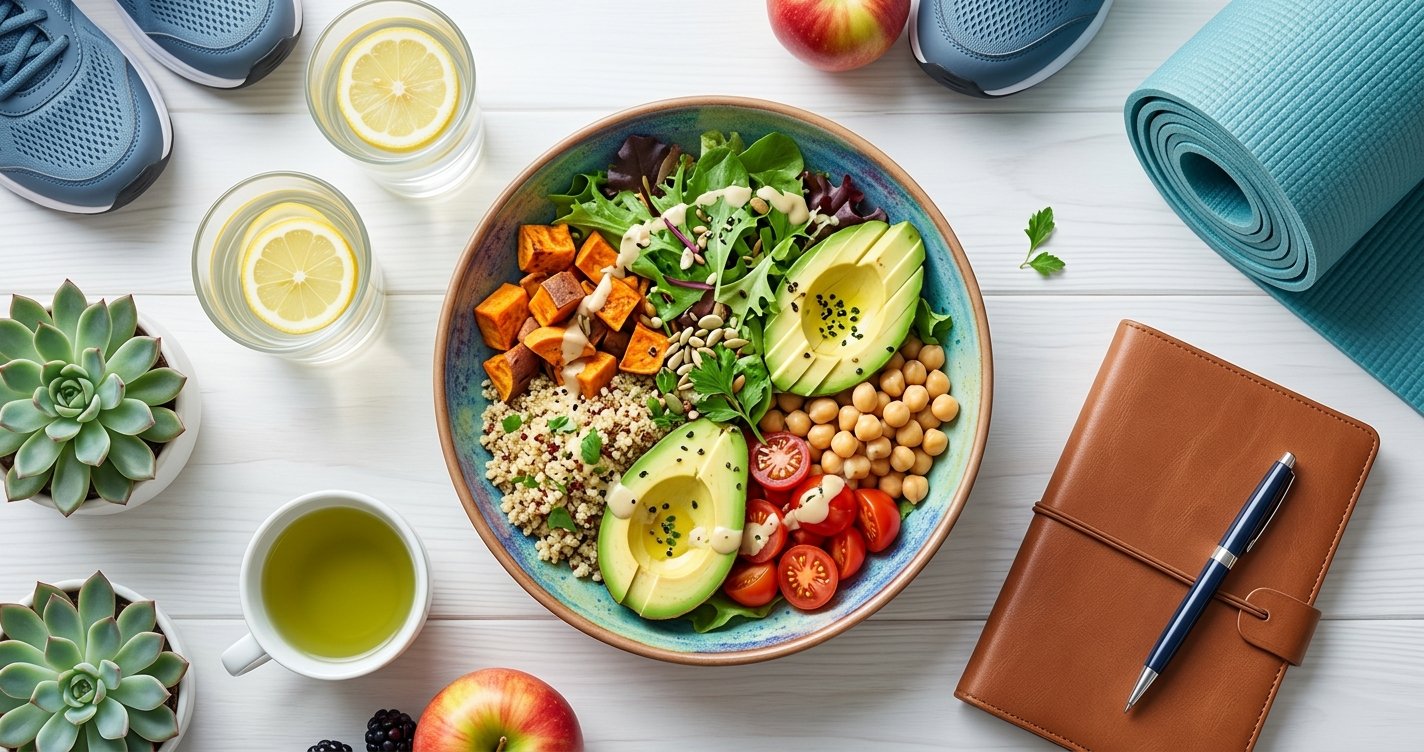
Focusing on whole, unprocessed foods is paramount. They are nutrient-dense, more satiating, and provide sustained energy without the sugar crashes or empty calories found in processed options. Build your meals around these components:
- Lean Protein: Essential for preserving muscle mass, increasing satiety, and boosting your metabolism. Include chicken breast, fish, lean beef, eggs, tofu, lentils, and Greek yogurt.
- Fiber-Rich Vegetables and Fruits: Packed with vitamins, minerals, and fiber, they add volume to your meals without many calories, keeping you feeling full. Aim for a variety of colors.
- Healthy Fats: Crucial for hormone production, nutrient absorption, and satiety. Think avocados, nuts, seeds, olive oil, and fatty fish like salmon.
- Complex Carbohydrates: Provide sustained energy and fiber. Opt for whole grains like oats, quinoa, brown rice, sweet potatoes, and whole-wheat bread in moderation.
Mindful Eating and Portion Control
How you eat is almost as important as what you eat. Mindful eating involves paying attention to your body's hunger and fullness cues, eating slowly, and savoring your food. This helps prevent overeating and promotes better digestion. Practice portion control by using smaller plates, measuring high-calorie foods, and listening to your body when you feel satisfied, not just full.
Movement That Fuels Your Journey: Beyond the Treadmill
Exercise is a powerful tool for fat loss, not just for burning calories, but also for building muscle, boosting metabolism, and improving overall health. It's not about punishing yourself, but finding enjoyable ways to move your body.
Strength Training: Your Metabolic Supercharger
Don't fear the weights! Strength training is arguably the most effective form of exercise for sustainable fat loss. Building and maintaining muscle mass directly impacts your Basal Metabolic Rate (BMR), meaning you burn more calories at rest. It also improves body composition, making you look leaner and more toned. Aim for 2-3 full-body strength training sessions per week, focusing on compound movements like squats, deadlifts, presses, and rows. You can start with bodyweight exercises or light dumbbells and gradually progress.
Cardio: For Heart Health and Calorie Burn
Cardiovascular exercise is excellent for heart health, endurance, and burning additional calories. Find activities you enjoy, whether it's brisk walking, jogging, cycling, swimming, or dancing. Both steady-state cardio (LISS – Low-Intensity Steady State) and High-Intensity Interval Training (HIIT) have their benefits. LISS is great for recovery and beginners, while HIIT can be time-efficient and provide a metabolic boost.
Everyday Movement: The Unsung Hero
Don't underestimate the power of Non-Exercise Activity Thermogenesis (NEAT). This includes all the calories you burn from daily movements outside of structured exercise – walking, standing, fidgeting, taking the stairs, cleaning. Increasing your NEAT by taking regular walking breaks, parking further away, or opting for stairs can significantly contribute to your daily calorie expenditure and overall fat loss.
The Lifestyle Pillars: Sleep, Stress, and Hydration
Often overlooked, these three lifestyle factors play a critical role in your body's ability to lose fat and maintain a healthy weight.
The Critical Role of Sleep
Lack of sleep can sabotage your fat loss efforts. Research indicates that inadequate sleep disrupts hormones like ghrelin (which stimulates appetite) and leptin (which signals fullness), leading to increased hunger and cravings, especially for high-calorie foods. It also elevates cortisol (the stress hormone), which can promote fat storage, particularly around the midsection. Aim for 7-9 hours of quality sleep per night. Establish a consistent sleep schedule, create a relaxing bedtime routine, and optimize your sleep environment.
Managing Stress for Fat Loss
Chronic stress, like poor sleep, leads to elevated cortisol levels. Beyond increasing fat storage, high cortisol can also lead to emotional eating and reduced motivation for exercise. Incorporate stress-reduction techniques into your daily routine: meditation, yoga, deep breathing exercises, spending time in nature, pursuing hobbies, or connecting with loved ones. Finding healthy outlets for stress is crucial for both mental well-being and physical results.
Hydration: Simple Yet Powerful
Drinking enough water is a simple yet incredibly effective strategy for fat loss and overall health. Water helps with metabolism, nutrient transport, and can even act as a natural appetite suppressant. Often, thirst is mistaken for hunger. Aim for at least 8 glasses (2 liters) of water per day, and more if you're exercising or in a hot climate. Keep a water bottle handy and sip throughout the day.
Building a Sustainable Mindset: Patience and Persistence
Fat loss is a journey, not a destination. Cultivating the right mindset is perhaps the most important factor for long-term success.
Setting Realistic Goals
Avoid the trap of expecting overnight transformations. Focus on small, consistent changes that accumulate over time. Celebrate non-scale victories like increased energy, better sleep, improved strength, or clothes fitting better. These are powerful motivators that keep you going when the scale isn't moving as quickly as you'd like.
Embracing Imperfection and Learning from Setbacks
There will be days when you don't eat perfectly or miss a workout. This is normal! Don't let a minor slip-up derail your entire journey. Instead of giving up, acknowledge it, learn from it, and get back on track with your next meal or workout. Progress isn't linear, and resilience is key.
Seeking Support and Accountability
You don't have to do this alone. Share your goals with supportive friends or family, consider working with a coach, or join a community of like-minded individuals. External accountability can provide motivation and encouragement when you need it most.
Your Journey to Lasting Fat Loss Starts Now
Sustainable fat loss is about empowering yourself with knowledge and building habits that serve your body and mind for the long term. It's a holistic approach that moves beyond temporary fixes, focusing instead on balanced nutrition, consistent movement, adequate sleep, stress management, and a resilient mindset.
Remember, consistency trumps perfection. Start small, make one healthy change today, and build on it. Embrace the journey, be kind to yourself, and celebrate every step of your progress. Your healthier, leaner, and happier self awaits!