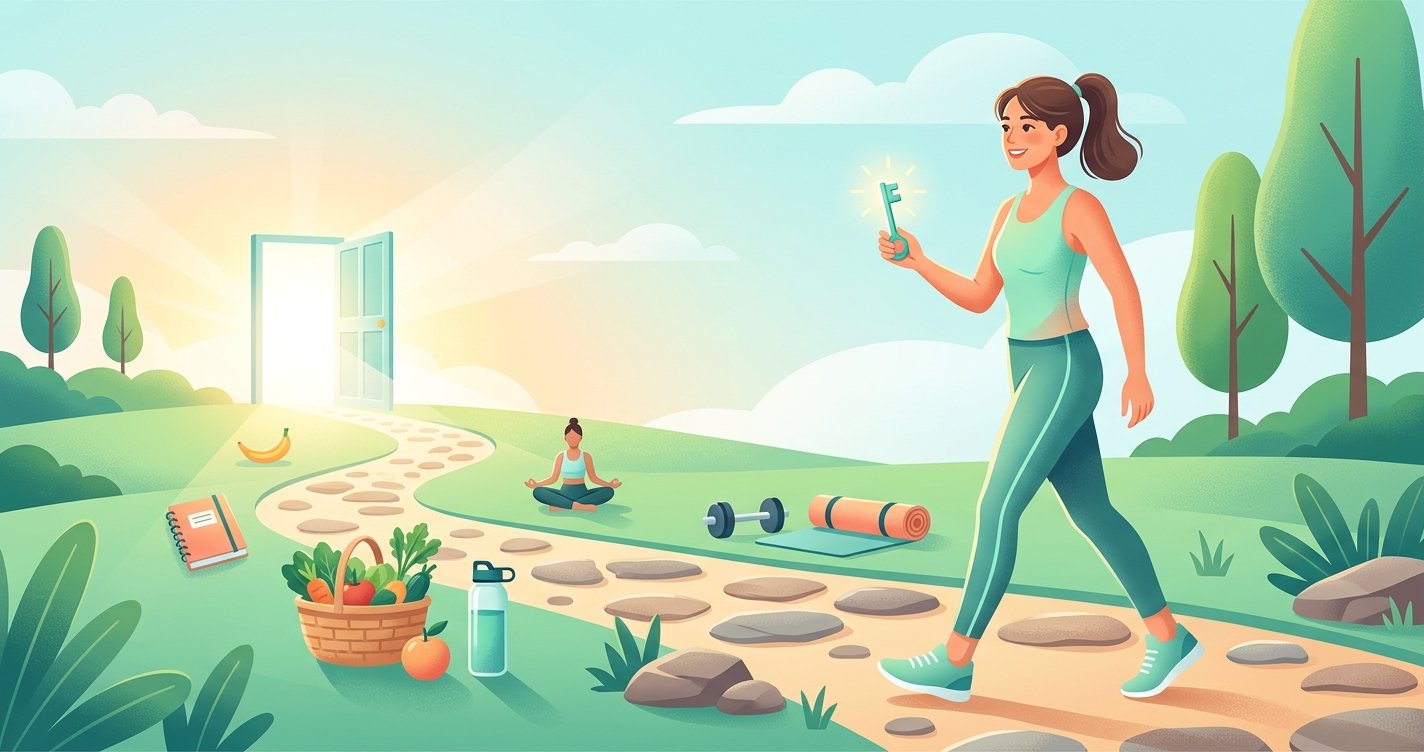
Unlock Lasting Fat Loss: Your Guide to Sustainable Results Beyond Crash Diets
Hey there! If you've ever felt trapped in the cycle of quick-fix diets, intense workouts that don't last, and the frustration of losing weight only to gain it back, you're definitely not alone. The world of fat loss is often filled with conflicting advice, magical pills, and extreme measures that promise the moon but deliver disappointment. But what if there was a better way? A way that focuses on sustainable habits, long-term health, and genuine well-being?
This isn't about deprivation or endless hours at the gym. It's about understanding your body, making smart choices, and building a lifestyle that supports lasting fat loss and overall vitality. Forget the crash diets and unrealistic expectations. Let's dive into an evidence-based, friendly, and encouraging guide to achieving the sustainable fat loss you deserve. this excellent wellness product
The Foundation: Understanding Your Calorie Deficit (Without Starvation!)
At its core, fat loss boils down to one fundamental principle: consuming fewer calories than your body expends. This is known as a calorie deficit. Think of your body like a car – it needs fuel (calories) to run. If you give it less fuel than it needs for its daily journey, it starts tapping into its reserves – stored fat.
Understanding Your Energy Balance
Your Total Daily Energy Expenditure (TDEE) is the number of calories your body burns in a day, including basal metabolic rate (calories burned at rest), physical activity, and the energy used to digest food. To lose fat, you need to consistently eat slightly below your TDEE. This doesn't mean starving yourself!
Practical Steps for a Smart Deficit
- Estimate Your TDEE: Use an online calculator as a starting point. They'll ask for your age, weight, height, and activity level.
- Aim for a Moderate Deficit: A deficit of 300-500 calories per day is generally recommended for sustainable fat loss (about 1-2 pounds per week). This allows you to lose fat without feeling overly deprived or losing precious muscle mass.
- Track Your Intake: For a period, tracking your food using an app can be incredibly insightful. It helps you understand portion sizes and the caloric density of different foods. You don't have to do it forever, but it's a great learning tool.
- Listen to Your Body: Pay attention to hunger and fullness cues. Are you truly hungry, or just bored or stressed?
Fueling Your Body Right: Nutrition for Sustainable Fat Loss
While a calorie deficit is key, what you eat within that deficit is equally crucial. Focusing on nutrient-dense foods will keep you feeling full, energized, and nourished, making the journey much more enjoyable and effective.
The Power of Protein
Protein is your best friend for fat loss. It's incredibly satiating, meaning it keeps you feeling full for longer, reducing cravings. It also has a higher thermic effect (your body burns more calories digesting it) and, critically, helps preserve muscle mass while you're in a deficit. Aim for 0.7-1 gram of protein per pound of body weight. Think lean meats, poultry, fish, eggs, dairy, legumes, and plant-based protein sources.
Don't Fear the Carbs (Choose Wisely!)
Carbohydrates often get a bad rap, but they are your body's primary energy source! The key is choosing complex carbohydrates over refined ones. Whole grains (oats, brown rice, quinoa), fruits, and vegetables provide essential fiber, vitamins, and minerals, and release energy slowly, preventing blood sugar spikes and crashes. Limit sugary drinks, white bread, and processed snacks.
Healthy Fats: Essential for Everything
Fats are vital for hormone production, nutrient absorption, and overall health. While they are calorie-dense, incorporating healthy fats in moderation can improve satiety and provide essential fatty acids. Avocados, nuts, seeds, olive oil, and fatty fish are excellent choices.
Fiber: Your Secret Weapon
Foods rich in fiber (fruits, vegetables, whole grains, legumes) add bulk to your meals, making you feel fuller without adding many calories. Fiber also aids digestion and can help regulate blood sugar levels. Most people don't get enough!
Moving Your Body: Exercise Beyond Just Cardio
Exercise isn't just about burning calories; it's about building a stronger, healthier, and more resilient body. A well-rounded approach combines strength training, cardio, and general daily movement.
Strength Training: Build Muscle, Burn Fat
This is often overlooked but incredibly powerful for fat loss. Building muscle increases your resting metabolic rate, meaning you burn more calories even when you're not exercising. Aim for 2-4 strength training sessions per week, focusing on compound movements (squats, deadlifts, presses, rows).
Cardio: For Health and Calorie Burn
Cardiovascular exercise is excellent for heart health, endurance, and burning calories. Whether it's walking, jogging, cycling, swimming, or dancing, find activities you enjoy. Aim for 150-300 minutes of moderate-intensity cardio per week.
NEAT: The Unsung Hero of Daily Activity
Non-Exercise Activity Thermogenesis (NEAT) refers to the calories you burn doing everyday activities that aren't formal exercise. Think walking more, taking the stairs, standing at your desk, gardening, or cleaning. Boosting your NEAT can significantly increase your daily calorie expenditure without feeling like a chore.
The Often-Overlooked Pillars: Sleep, Stress, and Hydration
You can eat perfectly and train hard, but if you neglect these crucial elements, your fat loss efforts will be an uphill battle. They play a profound role in your body's ability to shed fat.
The Link Between Sleep and Fat Loss
Poor sleep disrupts hormones that regulate appetite (ghrelin and leptin), making you hungrier and more prone to cravings for unhealthy foods. It also impairs insulin sensitivity and can increase cortisol, a stress hormone linked to belly fat storage. Aim for 7-9 hours of quality sleep per night.
Managing Stress for a Leaner You
Chronic stress also elevates cortisol levels, which can lead to increased appetite, fat storage (especially around the abdomen), and difficulty losing weight. Find healthy ways to manage stress, such as meditation, yoga, spending time in nature, journaling, or engaging in hobbies you love.
Hydration: Simple Yet Powerful
Drinking enough water is simple but incredibly effective. Water helps with metabolism, can reduce appetite (sometimes thirst is mistaken for hunger), and is essential for all bodily functions. Keep a water bottle handy and aim for 8-10 glasses a day, more if you're active.
Mindset Matters: Cultivating Patience and Consistency
Fat loss is a journey, not a destination. It requires patience, consistency, and a healthy mindset. There will be good days and bad days, but what truly matters is showing up consistently and learning from setbacks.
Set Realistic Goals
Instead of aiming for drastic weight loss in a short period, focus on small, achievable goals. Celebrate non-scale victories like increased energy, better sleep, stronger lifts, or clothes fitting better. These are often more motivating than the number on the scale.
Embrace the Journey, Not Just the Destination
Sustainable fat loss is about building habits that you can maintain for life. It's about finding joy in healthy eating and movement, not seeing them as punishments. Focus on progress, not perfection.
Track Your Progress (But Don't Obsess)
While the scale can be a data point, it's not the only one. Take progress photos, measure your waist circumference, note how your clothes fit, and track your performance in the gym. These provide a more holistic view of your progress and can be incredibly motivating.
Your Sustainable Path to a Healthier You
You have the power to transform your body and your health, not through deprivation and extreme measures, but through smart, sustainable choices. By focusing on a moderate calorie deficit, nutrient-dense foods, a balanced exercise routine, prioritizing sleep and stress management, and cultivating a positive mindset, you can achieve lasting fat loss and build a healthier, happier you.
Remember, this is your journey. Be kind to yourself, celebrate every small victory, and know that every consistent effort brings you closer to your goals. You've got this!