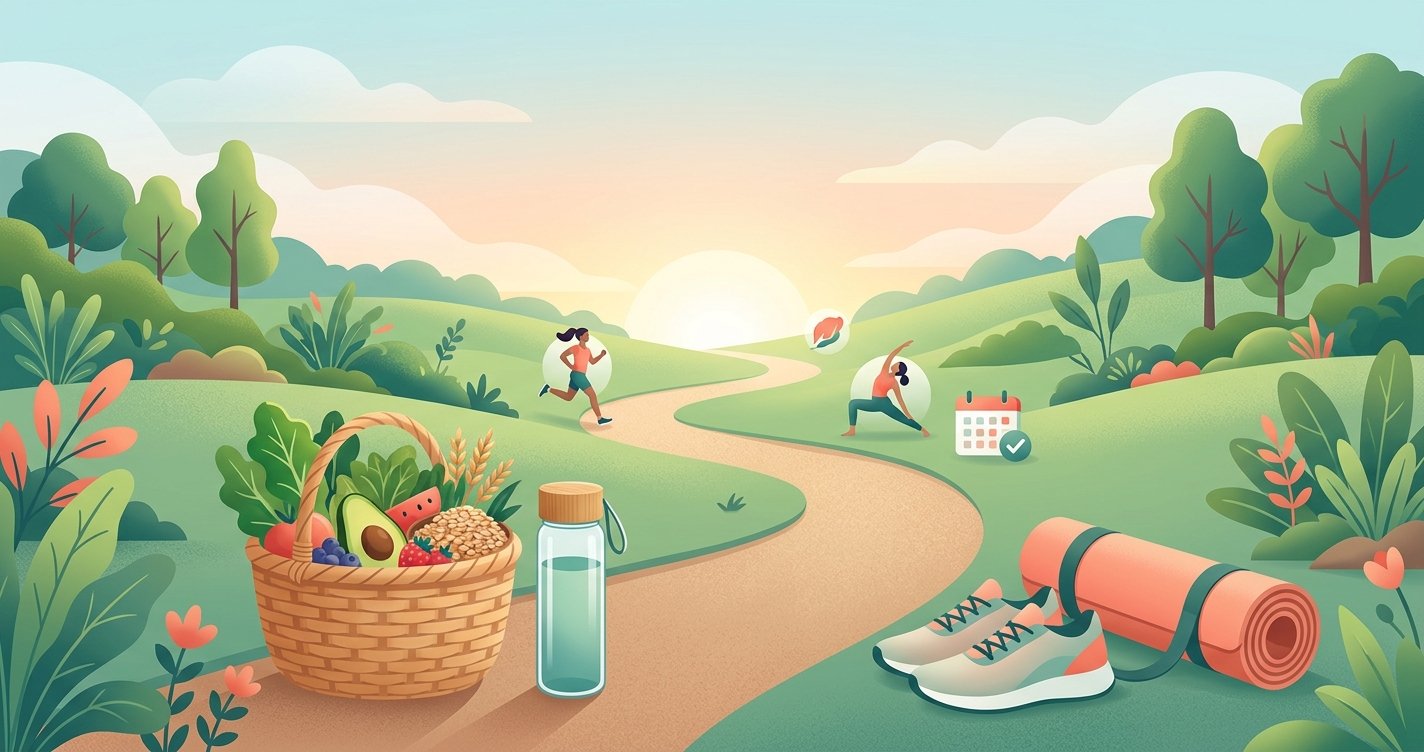
Tired of the endless cycle of crash diets, rapid weight loss, and an even faster regain? You're not alone. The pursuit of fat loss often leads us down paths paved with restrictive eating, extreme workouts, and ultimately, disappointment. But what if we told you there's a better way? A path to fat loss that's not only effective but also sustainable, enjoyable, and genuinely good for your overall health and well-being? Welcome to the world of sustainable fat loss.
This isn't about deprivation or quick fixes; it's about making smart, evidence-based choices that empower your body and mind to shed fat gradually and keep it off for good. We'll explore the real science behind lasting fat loss, moving beyond the hype to embrace strategies that truly work. Get ready to transform not just your body, but your relationship with food, exercise, and yourself. this excellent wellness product
Why Crash Diets Fail (And What to Do Instead)
Before we dive into what works, let's understand why so many popular fat loss methods fall short. Crash diets, characterized by severe calorie restriction, often promise dramatic results in a short period. While you might see the scale drop quickly, much of this initial loss is water weight and even muscle mass, not just fat.
The Downside of Drastic Restriction:
- Metabolic Slowdown: Your body is smart. When calories plummet, it perceives a famine and slows down your metabolism to conserve energy, making it harder to lose fat in the long run.
- Muscle Loss: Insufficient protein and calories can lead to your body breaking down muscle for energy, which further reduces your metabolic rate (muscle burns more calories at rest than fat).
- Nutrient Deficiencies: Restricting entire food groups can deprive your body of essential vitamins, minerals, and macronutrients vital for health.
- Rebound Weight Gain: The moment you return to 'normal' eating, your slowed metabolism and increased hunger hormones often lead to rapid weight regain, often exceeding your starting weight. This is known as the 'yo-yo effect'.
- Mental & Emotional Toll: Constant hunger, cravings, mood swings, and feelings of failure can lead to an unhealthy relationship with food and body image.
The Sustainable Solution: A Moderate Calorie Deficit. Instead of drastic cuts, aim for a modest calorie deficit of 300-500 calories per day. This allows for gradual fat loss (typically 1-2 pounds per week) without triggering extreme metabolic adaptation or intense hunger, making it much easier to stick to long-term.
The Power of Your Plate: Nutrition for Lasting Fat Loss
When it comes to fat loss, what you eat is paramount. But it's not just about eating less; it's about eating smarter and nourishing your body.
Focus on Whole, Unprocessed Foods:
Prioritize foods in their natural state. Think lean proteins, fruits, vegetables, whole grains, and healthy fats. These foods are generally nutrient-dense, filling, and have a lower calorie density compared to highly processed alternatives.
Embrace Protein: Your Fat Loss Ally:
Protein is the cornerstone of a fat loss diet. It's incredibly satiating, helping you feel fuller for longer and reducing overall calorie intake. Furthermore, it helps preserve muscle mass during a calorie deficit and has a higher thermic effect (meaning your body burns more calories digesting it) than carbs or fats.
- Good Sources: Chicken breast, turkey, fish, eggs, Greek yogurt, cottage cheese, lean beef, lentils, beans, tofu, tempeh.
Fiber Up for Fullness:
Fiber-rich foods add bulk to your meals, promoting satiety and aiding digestion. They also help regulate blood sugar levels, preventing energy crashes and cravings.
- Good Sources: Vegetables (broccoli, spinach, carrots), fruits (berries, apples, pears), whole grains (oats, quinoa, brown rice), legumes (beans, chickpeas).
Don't Fear Healthy Fats:
While fats are calorie-dense, healthy fats are crucial for hormone production, nutrient absorption, and satiety. In moderation, they can be a valuable part of your fat loss journey.
- Good Sources: Avocados, nuts, seeds, olive oil, fatty fish (salmon, mackerel).
Mindful Eating & Portion Control:
Pay attention to your body's hunger and fullness cues. Eat slowly, savor your food, and avoid distractions. Portion control is also key; even healthy foods can lead to weight gain if consumed in excess.
Move Your Body: Smart Exercise for Fat Loss
Exercise isn't just about burning calories in the moment; it's about building a stronger, more metabolically active body. The best approach combines strength training and cardiovascular activity.
Strength Training: Your Metabolic Booster:
Lifting weights (or using your body weight) is crucial for preserving and building muscle mass. More muscle means a higher resting metabolic rate, helping you burn more calories even when you're not exercising.
- Aim for: 2-4 sessions per week, focusing on compound movements (squats, deadlifts, presses, rows) that work multiple muscle groups.
Cardiovascular Exercise: Heart Health & Calorie Burn:
Cardio helps improve cardiovascular health and burns calories. It can be steady-state (e.g., brisk walking, jogging, cycling) or high-intensity interval training (HIIT).
- Aim for: 150-300 minutes of moderate-intensity cardio or 75-150 minutes of vigorous-intensity cardio per week. Find activities you enjoy to ensure consistency.
NEAT (Non-Exercise Activity Thermogenesis): The Hidden Burn:
Don't underestimate the power of everyday movement. Taking the stairs, parking further away, walking during phone calls, or fidgeting all contribute to your daily calorie expenditure. Small movements add up!
Beyond Diet & Exercise: The Unsung Heroes of Fat Loss
Fat loss isn't just about calories in, calories out. Several other lifestyle factors play a significant role in your body's ability to shed fat.
Sleep Your Way to Success:
Lack of sleep wreaks havoc on your hormones. It increases ghrelin (the hunger hormone) and decreases leptin (the satiety hormone), leading to increased appetite and cravings, especially for high-calorie foods. Poor sleep also elevates cortisol, a stress hormone that can promote fat storage, particularly around the midsection.
- Aim for: 7-9 hours of quality sleep per night. Establish a consistent sleep schedule and create a relaxing bedtime routine.
Master Your Stress:
Chronic stress, like poor sleep, leads to elevated cortisol levels. This can not only increase fat storage but also make you more prone to emotional eating. Finding healthy ways to manage stress is vital.
- Try: Meditation, yoga, deep breathing exercises, spending time in nature, hobbies, or connecting with loved ones.
Hydration Is Key:
Drinking enough water is often overlooked but plays a role in metabolism, satiety, and overall health. Sometimes, thirst can be mistaken for hunger.
- Aim for: Around 8 glasses (2 liters) of water daily, more if you're active or in a hot climate.
Mindset Matters: Building Sustainable Habits
True fat loss is a marathon, not a sprint. Your mindset and consistency in building healthy habits are perhaps the most critical components of long-term success.
Patience and Consistency:
Understand that results won't happen overnight. Celebrate small victories and focus on consistent effort rather than perfection. One 'bad' meal or missed workout won't derail your progress.
Focus on Non-Scale Victories:
The scale is just one metric. Pay attention to how your clothes fit, your energy levels, strength gains, improved sleep, better mood, and overall sense of well-being. These are often more motivating and reflect true progress.
Self-Compassion, Not Self-Criticism:
Be kind to yourself. There will be days when you struggle or fall off track. Instead of self-criticism, learn from the experience, forgive yourself, and get back on track with renewed determination.
Track Your Progress (Without Obsession):
Logging your food for a period can help you become aware of your eating habits. Tracking workouts can show you how you're getting stronger. This data can be empowering, but avoid becoming overly obsessive, which can lead to burnout or an unhealthy relationship with food.
Your Journey to Lasting Fat Loss Starts Now
Sustainable fat loss isn't about chasing a number on the scale; it's about embracing a healthier lifestyle that makes you feel good, inside and out. It's a journey of learning, adapting, and growing stronger, both physically and mentally. By focusing on a moderate calorie deficit, nourishing your body with whole foods, incorporating smart exercise, prioritizing sleep and stress management, and cultivating a positive mindset, you're not just losing fat—you're building a foundation for a healthier, happier life.
Forget the quick fixes and embrace the power of consistency and self-care. Your body will thank you, and you'll discover that true fat loss is the ultimate reward for investing in yourself. Ready to begin? Take that first sustainable step today!