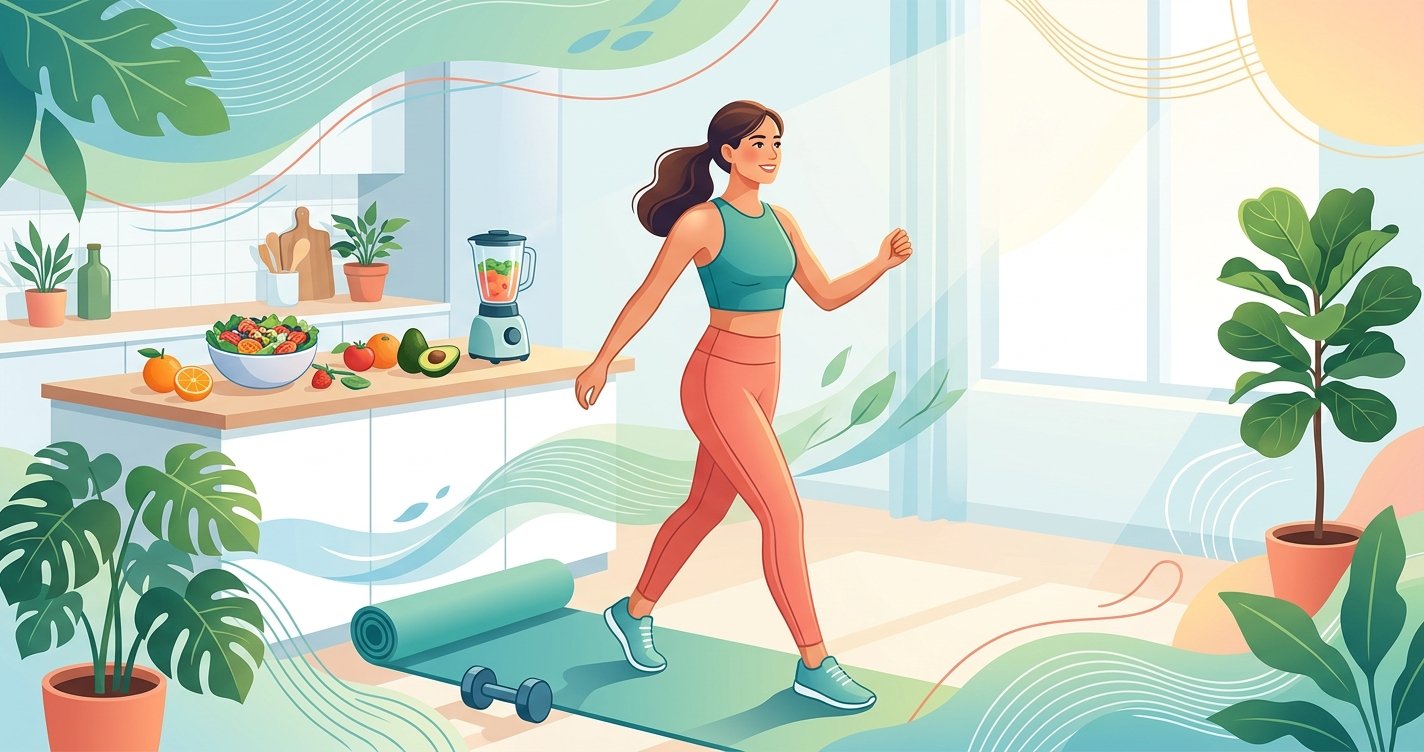
In a world obsessed with instant gratification, the promise of rapid fat loss can be incredibly alluring. Detox teas, extreme diets, and 'miracle' pills flood our feeds, offering quick fixes that often come with a heavy price tag – not just financially, but for our physical and mental well-being. But what if there was a better way? A path to fat loss that doesn't involve starvation, endless cardio, or a constant battle with your own body? The good news is, there is. And it’s all about sustainability.
This guide isn't about the next fad diet; it's about understanding your body, building healthy habits, and creating a lifestyle that supports genuine, lasting fat loss. We'll ditch the quick fixes and dive into evidence-based strategies that empower you to achieve your goals without sacrificing your health or happiness. Get ready to discover the secrets to a leaner, stronger, and more confident you, for the long haul. this excellent wellness product
The Truth About Quick Fixes: Why They Fail (and Frustrate!)
Before we build a sustainable future, let's understand why the 'fast track' often leads to a dead end. Quick-fix diets typically rely on extreme calorie restriction, cutting out entire food groups, or relying on supplements that offer little more than hope. While you might see initial weight loss, this is usually water weight or muscle mass, not just fat.
Calorie Restriction and Metabolic Adaptation
When you drastically cut calories, your body's survival instincts kick in. Your metabolism slows down to conserve energy, making it harder to burn fat. This is known as metabolic adaptation. Your body thinks it's starving, so it becomes incredibly efficient at holding onto every calorie, making further fat loss increasingly difficult.
The Rebound Effect
Extreme diets are unsustainable. Eventually, hunger, cravings, and social pressures become overwhelming, leading to a 'fall off the wagon.' When you return to your normal eating habits (or even overeat due to deprivation), your now-slower metabolism is primed to store those extra calories as fat, often leading to you gaining back more weight than you lost. This frustrating cycle can damage your relationship with food and your body.
Mental and Emotional Toll
Beyond the physical, quick fixes take a huge toll on your mental and emotional health. Constant hunger, irritability, obsessing over food, and feelings of failure when the diet inevitably fails can lead to stress, anxiety, and even disordered eating patterns. True fat loss should empower, not punish, you.
Building Your Foundation: The Pillars of Sustainable Fat Loss
Sustainable fat loss isn't about deprivation; it's about smart choices and consistent effort. Here are the foundational pillars:
Pillar 1: Caloric Deficit Done Right (Not Drastically)
To lose fat, you must consume slightly fewer calories than your body burns – this is the fundamental principle. However, 'slightly' is the key. Aim for a modest deficit of 300-500 calories per day. This allows for steady fat loss (around 1-2 pounds per week) without triggering extreme metabolic slowdown or intense hunger. Use an online TDEE (Total Daily Energy Expenditure) calculator as a starting point, and then track your intake for a week or two to find your personalized sweet spot. Consistency here is far more effective than drastic cuts.
Pillar 2: Protein Power for Satiety and Muscle Preservation
Protein is your best friend for fat loss. Here's why:
- Satiety: Protein keeps you feeling fuller for longer, reducing overall calorie intake.
- Thermogenic Effect: Your body burns more calories digesting protein than carbs or fats.
- Muscle Preservation: When you're in a calorie deficit, adequate protein intake helps preserve precious muscle mass, which is crucial for maintaining a healthy metabolism.
Aim for 0.7-1 gram of protein per pound of body weight. Incorporate lean protein sources like chicken breast, fish, lean beef, eggs, Greek yogurt, tofu, and legumes into every meal.
Pillar 3: Smart Carb and Fat Choices
No, you don't need to eliminate carbs or fats! Both are essential for energy, hormone production, and overall health. The key is choosing the right types:
- Complex Carbohydrates: Opt for whole grains (oats, brown rice, quinoa), fruits, and vegetables. These are rich in fiber, which aids digestion, promotes satiety, and provides sustained energy.
- Healthy Fats: Incorporate sources like avocados, nuts, seeds, olive oil, and fatty fish (salmon). These are vital for hormone function, nutrient absorption, and also contribute to satiety.
Balance is key. Focus on nutrient-dense, whole foods rather than processed options, which tend to be high in empty calories, added sugars, and unhealthy fats.
Beyond the Plate: Lifestyle Factors That Accelerate Progress
Fat loss isn't just about what you eat; it's about how you live. These lifestyle factors play a huge role:
Incorporating Strength Training: Your Fat-Burning Secret Weapon
Cardio is great for burning calories, but strength training is a game-changer for body composition. Building muscle increases your resting metabolic rate, meaning your body burns more calories even when you're at rest. It also sculpts your body, giving you a leaner, more toned appearance. Aim for 2-4 strength training sessions per week, focusing on compound movements that work multiple muscle groups.
The Power of Quality Sleep: More Than Just Rest
Lack of sleep can sabotage your fat loss efforts in surprising ways. Poor sleep disrupts hormones that regulate hunger (ghrelin) and satiety (leptin), leading to increased cravings and overeating. It also elevates cortisol, the stress hormone, which can promote fat storage, especially around the belly. Prioritize 7-9 hours of quality sleep per night.
Stress Management: Unclogging Your Fat Loss Path
Chronic stress, like lack of sleep, keeps cortisol levels elevated. This not only encourages fat storage but can also lead to emotional eating. Find healthy ways to manage stress, whether it's meditation, yoga, spending time in nature, hobbies, or simply deep breathing exercises. Your mental peace is a powerful tool for physical progress.
Hydration: Simple Yet Crucial
Drinking enough water is often overlooked but profoundly important. Water helps with metabolism, nutrient transport, and can even help you feel fuller. Sometimes, what you perceive as hunger is actually thirst. Aim for at least 8 glasses of water a day, and more if you're active.
Mindset Matters: Cultivating a Sustainable Approach
Your mental game is just as important as your meal plan or workout routine.
Patience and Consistency Over Perfection
Fat loss is not linear. There will be good days and challenging days. Don't strive for perfection; strive for consistency. One 'off' meal or workout won't derail your progress, but giving up will. Embrace the journey, learn from setbacks, and keep moving forward.
Listening to Your Body and Intuitive Eating Principles
As you build sustainable habits, start tuning into your body's signals. Eat when you're hungry, stop when you're satisfied. Learn the difference between physical hunger and emotional cravings. This mindful approach helps you build a healthier, more intuitive relationship with food, moving away from restrictive diet mentalities.
Celebrating Non-Scale Victories
The scale doesn't tell the whole story. Celebrate increased energy, better sleep, clothes fitting differently, stronger lifts, improved mood, and overall health markers. These non-scale victories are powerful motivators and indicators of true progress.
Putting It All Together: Your Actionable Steps
Ready to start your sustainable fat loss journey? Here’s a quick recap of actionable steps:
- Calculate a Modest Caloric Deficit: Aim for 300-500 calories below your maintenance.
- Prioritize Protein: Include a lean protein source with every meal.
- Choose Whole Foods: Focus on complex carbs, healthy fats, fruits, and vegetables.
- Embrace Strength Training: Lift weights 2-4 times a week.
- Get Enough Sleep: Aim for 7-9 hours of quality sleep nightly.
- Manage Stress: Find healthy outlets for stress relief.
- Stay Hydrated: Drink plenty of water throughout the day.
- Cultivate Patience: Understand that sustainable progress takes time.
Conclusion: Your Journey to Lasting Change
Sustainable fat loss isn't a race; it's a journey of self-discovery, consistency, and building habits that serve your long-term health and happiness. By ditching the quick fixes and embracing an evidence-based approach centered on nutrition, movement, sleep, and stress management, you're not just losing fat – you're building a stronger, healthier, and more resilient version of yourself. Be kind to yourself, stay consistent, and celebrate every step of your incredible transformation. The power to achieve lasting change is within you. Start today, one small, sustainable step at a time!