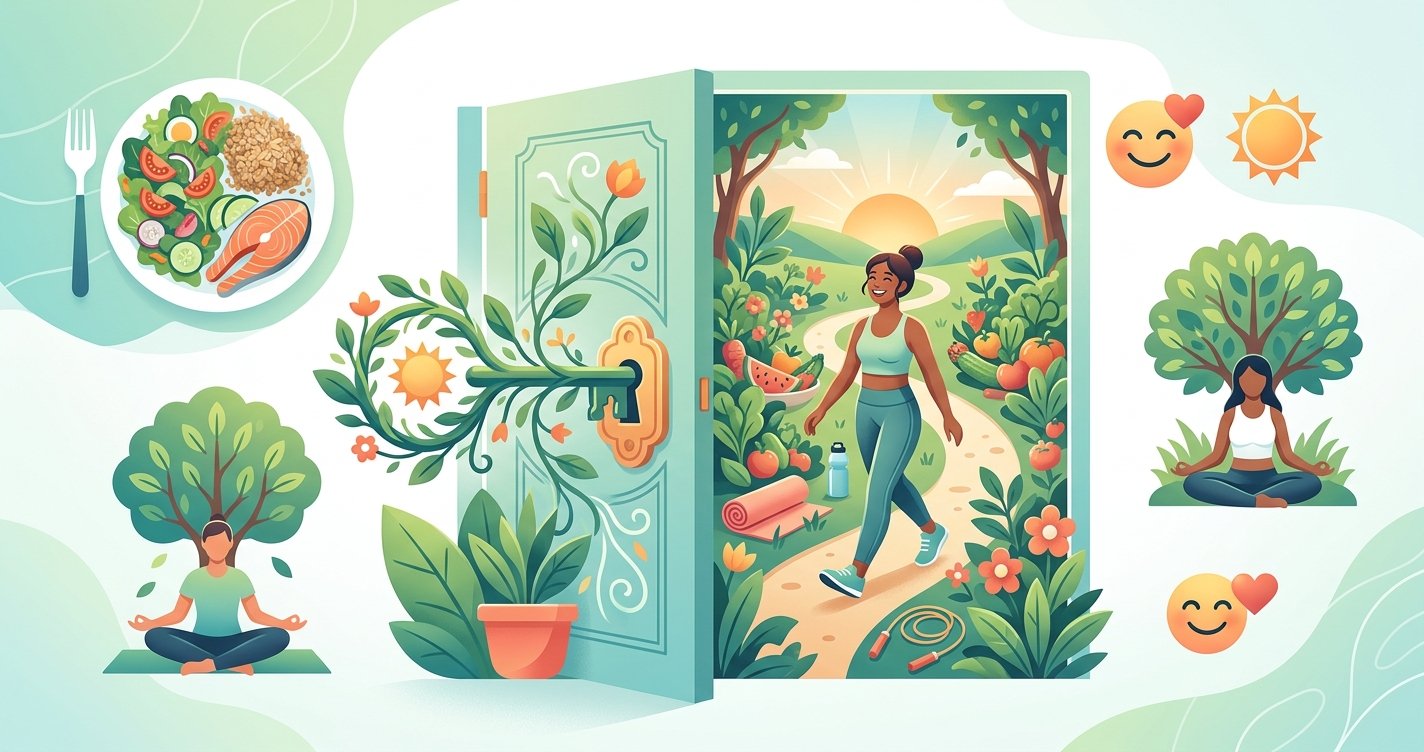
Beyond the Quick Fix: Embracing Sustainable Fat Loss
Tired of diet rollercoasters and short-lived results? You're not alone! Many of us embark on a fat loss journey with high hopes, only to find ourselves back where we started, feeling frustrated and discouraged. The truth is, sustainable fat loss isn't about extreme restrictions or grueling workouts; it's about making smart, evidence-based lifestyle changes that you can maintain for life. This isn't just about shedding pounds; it's about building a healthier, happier you from the inside out. In this friendly guide, we'll explore the real science behind losing fat and keeping it off, focusing on practical, encouraging steps that work with your body, not against it. Let's ditch the fads and embrace a path to lasting well-being!
Understanding the Core Principle: The Calorie Deficit (Without Starvation!)
At its heart, fat loss boils down to one fundamental principle: consuming fewer calories than your body expends. This is known as creating a 'calorie deficit.' Think of your body as a car; if you put less fuel in than you burn, eventually you'll start using the reserves (stored fat). However, the key here is sustainable and moderate. A drastic calorie cut can lead to muscle loss, nutrient deficiencies, and a plummeting metabolism – making long-term fat loss incredibly difficult. Instead, aim for a modest deficit of 300-500 calories per day below your maintenance level. This allows your body to tap into fat stores without feeling deprived or compromising your health. this excellent wellness product
How do you figure out your maintenance calories? Online calculators can give you an estimate, but paying attention to your body's hunger cues and energy levels is equally important. Remember, this isn't about starvation; it's about mindful eating and making smarter choices that fuel your body efficiently.
The Role of NEAT: Boosting Your Daily Burn
Beyond structured exercise, consider your Non-Exercise Activity Thermogenesis (NEAT). This includes all the calories you burn from daily activities that aren't formal workouts – walking, fidgeting, taking the stairs, gardening, cleaning. Increasing your NEAT can significantly contribute to your daily calorie expenditure, making that deficit easier to achieve without feeling like you're constantly 'on a diet.' Small movements add up to big results!
Fueling Your Body Right: The Power of Macronutrients and Micronutrients
While a calorie deficit is crucial, the quality of those calories truly matters. Focusing on nutrient-dense foods will keep you feeling full, energized, and supply your body with the vitamins and minerals it needs to function optimally.
- Protein: Your Fat Loss Friend: Protein is incredibly satiating, meaning it helps you feel fuller for longer. It also has a higher thermic effect of food (TEF) – your body burns more calories digesting protein than fats or carbs. Aim for lean protein sources like chicken breast, fish, eggs, tofu, lentils, and Greek yogurt with every meal.
- Complex Carbohydrates for Sustained Energy: Don't demonize carbs! Complex carbohydrates like whole grains (oats, brown rice, quinoa), fruits, and vegetables provide essential fiber, vitamins, and sustained energy. They prevent those dreaded energy crashes and sugar cravings. Portion control is key here, especially for grains.
- Healthy Fats for Hormone Balance and Satiety: Healthy fats (avocados, nuts, seeds, olive oil, fatty fish) are vital for hormone production, nutrient absorption, and keeping you satisfied. While calorie-dense, a moderate amount of healthy fats is crucial for overall health and can prevent overeating.
- Micronutrients: The Unsung Heroes: Vitamins and minerals found in a colorful array of fruits and vegetables are essential for countless bodily functions, including metabolism. Ensure your plate is vibrant and varied to cover your micronutrient needs.
Moving Your Body: Exercise as a Fat Loss Catalyst (It's More Than Just Cardio)
Exercise is a powerful tool in your sustainable fat loss arsenal, not just for burning calories, but for improving body composition, boosting metabolism, and enhancing overall health. And no, you don't need to spend hours on the treadmill!
- Strength Training: Build Muscle, Burn More Fat: Muscle is metabolically active, meaning it burns more calories at rest than fat. Incorporating 2-3 strength training sessions per week can significantly boost your resting metabolism, making fat loss easier even when you're not working out. You don't need heavy weights; bodyweight exercises are a fantastic starting point.
- Cardio: For Heart Health and Calorie Burn: Cardiovascular exercise (walking, jogging, cycling, swimming) is excellent for heart health and burns calories during the activity. Aim for 150-300 minutes of moderate-intensity cardio per week. High-Intensity Interval Training (HIIT) can also be effective for shorter, intense bursts.
- Find What You Enjoy: The best exercise is the one you stick with! Whether it's dancing, hiking, yoga, or team sports, find activities that bring you joy. Consistency trumps intensity every time.
The Unsung Heroes: Sleep, Stress, and Hydration for Optimal Results
Often overlooked, these three pillars play a monumental role in your body's ability to lose fat and maintain health.
- Sleep: Your Body's Repair & Regulate Time: Lack of sleep disrupts hormones that regulate appetite (ghrelin and leptin), leading to increased hunger and cravings for unhealthy foods. Aim for 7-9 hours of quality sleep per night to support metabolism, hormone balance, and recovery.
- Stress Management: Taming the Cortisol Beast: Chronic stress elevates cortisol levels, a hormone that can promote fat storage, especially around the abdomen. Find healthy ways to manage stress, such as meditation, deep breathing, spending time in nature, or engaging in hobbies.
- Hydration: The Simple Yet Powerful Tool: Drinking enough water is crucial for metabolism, digestion, and satiety. Sometimes, thirst can be mistaken for hunger. Aim for 8 glasses (2 liters) of water daily, and even more if you're exercising.
Building Habits, Not Restrictions: Mindset for Long-Term Success
Sustainable fat loss isn't a temporary diet; it's a lifestyle evolution. Your mindset is perhaps the most powerful tool you possess.
- Patience and Consistency: Rome wasn't built in a day, and neither is a healthy body. Celebrate small victories, understand that progress isn't linear, and stay consistent with your efforts.
- Mindful Eating: Pay attention to your food. Eat slowly, savor each bite, and listen to your body's hunger and fullness cues. This helps you enjoy your food more and avoid overeating.
- Self-Compassion, Not Perfection: There will be days you slip up, and that's okay! Don't let one 'bad' meal or missed workout derail your entire journey. Forgive yourself, learn from it, and get back on track. Perfection is the enemy of progress.
- Set Realistic Goals: Aim for a healthy, sustainable rate of fat loss (0.5-1 kg or 1-2 pounds per week). Unrealistic goals often lead to disappointment and giving up.
Putting It All Together: Your Sustainable Fat Loss Roadmap
Ready to embark on your journey? Here’s a simple roadmap to get started:
- Assess Your Starting Point: Understand your current habits and identify areas for improvement.
- Calculate a Moderate Calorie Deficit: Use online tools as a guide, but primarily listen to your body.
- Prioritize Protein & Fiber: Build your meals around lean protein, plenty of vegetables, and whole grains.
- Incorporate Strength Training: Start with bodyweight exercises 2-3 times a week.
- Move More Daily: Increase your NEAT by walking, taking stairs, or standing more.
- Optimize Sleep & Hydration: Aim for 7-9 hours of sleep and drink plenty of water.
- Practice Stress Management: Find healthy outlets for stress.
- Cultivate a Positive Mindset: Be patient, consistent, and kind to yourself.
Your Journey to a Healthier, Happier You
Embracing sustainable fat loss is about more than just a number on the scale; it's about cultivating lifelong habits that empower you to live a vibrant, energetic, and fulfilling life. It’s a journey of self-discovery, resilience, and prioritizing your well-being. Remember, small, consistent changes lead to monumental results over time. Be patient with yourself, celebrate every step forward, and enjoy the process of becoming the healthiest and happiest version of you. You've got this!