Beyond the Hype: Your Friendly Guide to Sustainable Fat Loss for Lasting Results
Are you tired of the endless cycle of restrictive diets, intense workout regimes that leave you burnt out, and the crushing disappointment when the weight inevitably creeps back? You're not alone. In a world saturated with quick fixes and magic pills, it's easy to feel lost and frustrated on your fat loss journey. But what if there was a different way? A way that focuses on nourishing your body, respecting your mental well-being, and building habits that last a lifetime?
Welcome to the world of sustainable fat loss. This isn't about deprivation or extreme measures; it's about understanding your body, making informed choices, and fostering a lifestyle that naturally supports a healthy weight and vibrant energy. This evidence-based, friendly guide will walk you through the essential pillars for achieving lasting results, helping you ditch the quick fixes and embrace a healthier, happier you. this excellent wellness product
Understanding the Foundation: What is Sustainable Fat Loss?
Before we dive into the 'how,' let's clarify the 'what.' Sustainable fat loss isn't just about the number on the scale; it's about creating a calorie deficit in a way that is maintainable, healthy, and doesn't lead to rebound weight gain. It means losing fat steadily (typically 1-2 pounds per week) by making lifestyle adjustments you can stick with indefinitely, rather than temporary, drastic changes.
This approach prioritizes:
- Nutrient Density: Eating foods that provide maximum nutrition for fewer calories.
- Metabolic Health: Supporting your body's natural fat-burning processes.
- Mental Well-being: Avoiding stress, guilt, and body image issues often associated with dieting.
- Long-Term Habits: Building routines around nutrition, exercise, sleep, and stress management that become second nature.
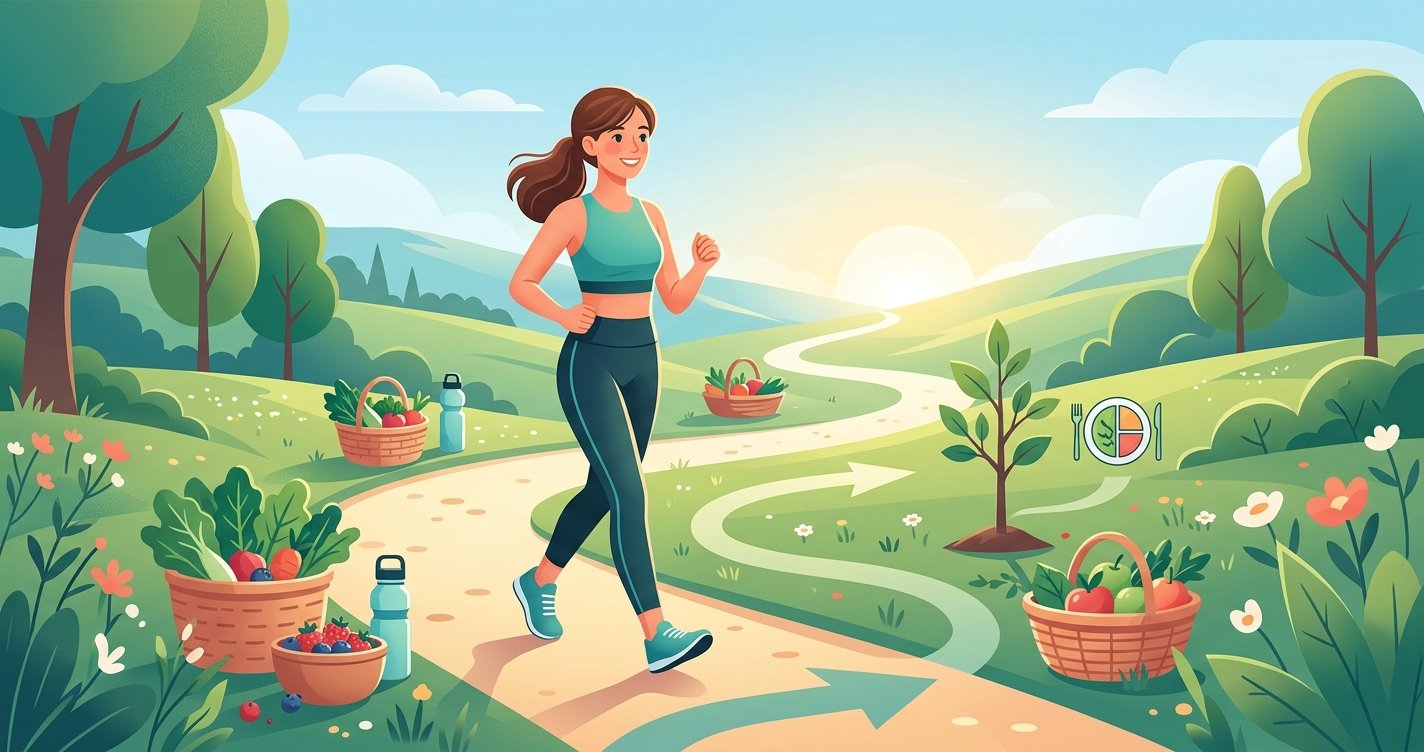
Forget the idea of a finish line. Sustainable fat loss is about building a path you enjoy walking every day.
Fueling Your Body for Success: The Power of Nutrition
Nutrition is arguably the most critical component of fat loss. You simply can't out-exercise a poor diet. But 'diet' here means your overall eating pattern, not a temporary restrictive plan.
It's Not About Restriction, It's About Nourishment: Whole Foods First
Instead of focusing on what you can't eat, shift your mindset to what you can eat to nourish your body. Prioritize whole, unprocessed foods:
- Lean Proteins: Chicken breast, turkey, fish, eggs, tofu, lentils, Greek yogurt.
- Fruits and Vegetables: A rainbow of colors for vitamins, minerals, and fiber.
- Whole Grains: Oats, quinoa, brown rice, whole-wheat bread in moderation.
- Healthy Fats: Avocados, nuts, seeds, olive oil.
These foods keep you feeling full and satisfied, provide sustained energy, and are packed with essential nutrients, making it easier to maintain a healthy calorie deficit without feeling deprived.
Protein Power: Why It's Your Fat Loss Ally
Protein is a superstar when it comes to fat loss. Research consistently shows that a higher protein intake can:
- Increase Satiety: Protein keeps you feeling fuller for longer, reducing overall calorie intake.
- Preserve Muscle Mass: When you're in a calorie deficit, your body can break down muscle for energy. Adequate protein helps protect that precious muscle, which is metabolically active.
- Boost Metabolism: Protein has a higher thermic effect of food (TEF) than carbs or fats, meaning your body burns more calories digesting it.
Aim for a protein source at every meal and snack.
Smart Carbs and Healthy Fats: Don't Fear Them!
Carbohydrates and fats have often been demonized in the diet world, but both are essential for health and sustainable fat loss.
- Smart Carbs: Choose complex carbohydrates like whole grains, fruits, and vegetables. They provide sustained energy, fiber for digestion, and essential nutrients. Portion control is key.
- Healthy Fats: Fats are vital for hormone production, nutrient absorption, and satiety. Focus on monounsaturated and polyunsaturated fats found in avocados, nuts, seeds, and olive oil. They are calorie-dense, so enjoy them in moderation.
Hydration: The Unsung Hero
Don't underestimate the power of water! Staying well-hydrated can:
- Boost Metabolism: Water is essential for metabolic processes.
- Increase Satiety: Sometimes, thirst is mistaken for hunger. Drinking water before meals can help you eat less.
- Improve Energy Levels: Dehydration can lead to fatigue, making workouts harder and increasing cravings for quick energy (often sugary foods).
Aim for at least 8 glasses of water a day, more if you're active.
Moving with Purpose: Exercise Beyond the Treadmill
While nutrition is paramount, exercise is your powerful partner in fat loss. It helps create a calorie deficit, builds muscle, improves metabolic health, and boosts mood.
Strength Training: Build Muscle, Burn Fat
If you're not lifting weights, you're missing out! Strength training is incredibly effective for fat loss because:
- It builds muscle: Muscle tissue burns more calories at rest than fat tissue, boosting your basal metabolic rate.
- It shapes your body: Beyond just losing weight, strength training helps you achieve a toned, strong physique.
- It improves insulin sensitivity: This helps your body use carbohydrates more efficiently, reducing fat storage.
Aim for 2-4 strength training sessions per week, focusing on compound movements (squats, deadlifts, presses, rows).
Cardio: Find Your Rhythm
Cardiovascular exercise is excellent for burning calories, improving heart health, and reducing stress. But it doesn't have to be hours on a treadmill!
- Vary your intensity: Incorporate both moderate-intensity steady-state cardio (like a brisk walk or jog) and high-intensity interval training (HIIT) for maximum benefit.
- Find activities you enjoy: Hiking, cycling, swimming, dancing, sports – if you enjoy it, you're more likely to stick with it.
NEAT: The Everyday Calorie Burn
Non-Exercise Activity Thermogenesis (NEAT) refers to the calories you burn through everyday movements not related to structured exercise. This includes walking, standing, fidgeting, taking the stairs, cleaning, and gardening. Boosting your NEAT can significantly contribute to your daily calorie expenditure without feeling like a workout. Look for opportunities to move more throughout your day.
The Crucial Pillars You Might Be Overlooking
Sustainable fat loss isn't just about food and exercise. Your lifestyle plays a massive role.
Sleep: Your Secret Weapon for Fat Loss
In our busy lives, sleep is often the first thing to be sacrificed, but it's a critical component of fat loss. Lack of sleep disrupts hormones that regulate hunger and satiety:
- Ghrelin (hunger hormone) increases.
- Leptin (satiety hormone) decreases.
- Cortisol (stress hormone) increases, which can promote fat storage, especially around the belly.
Aim for 7-9 hours of quality sleep per night. Prioritize it like you would your workouts!
Stress Management: Taming the Cortisol Beast
Chronic stress can be a silent saboteur of your fat loss efforts. When stressed, your body releases cortisol, which, as mentioned, can encourage fat storage and increase cravings for unhealthy comfort foods. Find healthy ways to manage stress:
- Meditation or deep breathing exercises
- Yoga or gentle stretching
- Spending time in nature
- Engaging in hobbies you enjoy
- Connecting with loved ones
Prioritizing mental well-being is not a luxury; it's a necessity for sustainable health.
Mindful Eating: Listening to Your Body
Mindful eating is about paying attention to your food and your body's signals. It involves:
- Eating slowly: Savoring each bite and giving your body time to register fullness.
- Recognizing hunger and fullness cues: Eating when genuinely hungry and stopping when comfortably full, not stuffed.
- Avoiding distractions: Eating away from screens and other distractions.
- Acknowledging your feelings: Understanding why you're eating (is it hunger, boredom, stress?).
This practice helps you build a healthier relationship with food and prevents overeating.
Building Sustainable Habits: Consistency is Key
Remember, this is a marathon, not a sprint. Consistency in your efforts, even small ones, will yield far greater results than sporadic bursts of extreme behavior.
Setting Realistic Goals
Instead of aiming to lose 20 pounds in a month, set smaller, achievable goals. Perhaps focusing on adding a vegetable to every meal, walking 30 minutes daily, or consistently getting 7 hours of sleep. Small wins build momentum and confidence.
Tracking Progress (Not Just the Scale)
The scale can be a useful tool, but it doesn't tell the whole story. Muscle weighs more than fat, and daily fluctuations are normal. Look for other indicators of progress:
- How your clothes fit: Often a better indicator of body composition changes.
- Body measurements: Track circumference of waist, hips, arms, etc.
- Progress photos: Visual changes can be very motivating.
- Energy levels: Do you feel more energetic and vibrant?
- Strength gains: Are you lifting heavier or performing better in workouts?
- Improved mood and sleep quality.
The Power of Support and Accountability
You don't have to do this alone. Share your goals with a trusted friend or family member. Consider joining a supportive community, working with a coach, or simply checking in with yourself regularly. Accountability can provide that extra push on challenging days.
Your Journey to Lasting Results Starts Now
Embarking on a sustainable fat loss journey is an act of self-love. It's about choosing long-term health and vitality over temporary fixes. It requires patience, consistency, and a willingness to learn and adapt. There will be good days and challenging days, but remember that every healthy choice you make is a step forward.
Start small, be kind to yourself, and trust the process. By focusing on balanced nutrition, purposeful movement, adequate sleep, and stress management, you're not just losing weight – you're building a foundation for a healthier, happier, and more energetic life. You have the power to transform your health, one sustainable habit at a time. What small step will you take today?