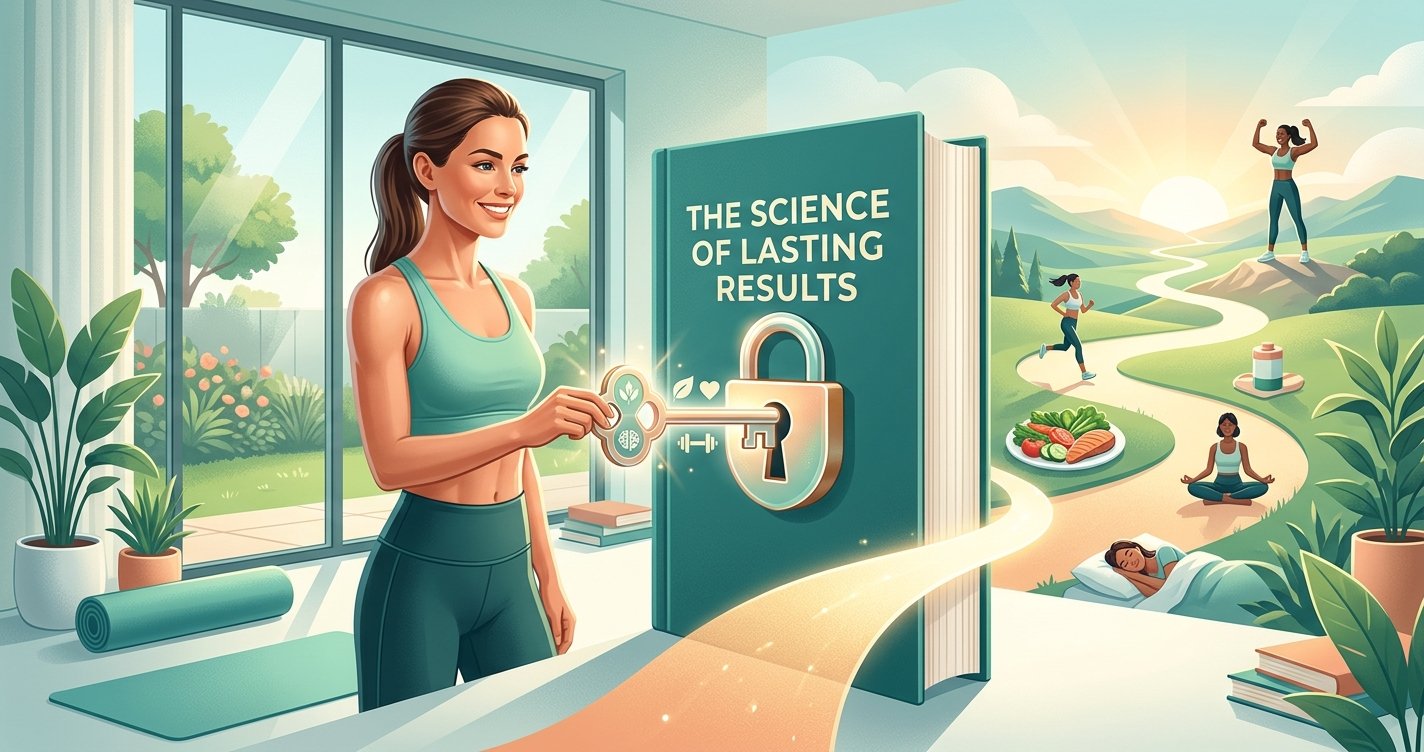
Unlock Sustainable Fat Loss: Your Evidence-Based Guide to Lasting Results
Are you tired of the yo-yo diet cycle? Do you feel like you've tried every quick fix out there, only to end up back where you started (or even further behind)? You're not alone. The world of fat loss is often filled with conflicting advice, extreme restrictions, and promises of overnight miracles. But what if we told you there's a better way – an evidence-based, sustainable path that leads to lasting results?
This isn't about deprivation or grueling workouts you hate. It's about understanding your body, making smart choices, and building habits that support your health and fitness goals for the long haul. Forget the crash diets and embrace a journey that's empowering, effective, and actually enjoyable. Let's dive into the science-backed strategies that will help you achieve sustainable fat loss and keep it off. this excellent wellness product
Understanding the Basics: The Calorie Deficit Reigns Supreme
Let's get straight to the foundational truth of fat loss: you must consume fewer calories than your body burns. This is known as a calorie deficit, and it's the non-negotiable principle for losing body fat. No matter what diet trend you follow – keto, paleo, low-carb, high-carb – if you're losing weight, it's because you're in a calorie deficit.
Think of it like this: your body needs a certain amount of energy (calories) to function each day. If you give it less energy than it needs, it will start to tap into its stored energy reserves – your body fat – to make up the difference. It's simple physics, but the execution needs to be smart and sustainable, not extreme.
How to Create a Healthy Calorie Deficit:
- Calculate Your Maintenance Calories: Use an online TDEE (Total Daily Energy Expenditure) calculator as a starting point.
- Aim for a Moderate Deficit: A deficit of 300-500 calories below your maintenance level is generally considered safe and effective for sustainable fat loss, leading to a loss of 1-2 pounds per week.
- Track Your Intake (Initially): Using an app for a few weeks can help you become aware of the calorie content of your food and portion sizes. This isn't forever, just a learning tool.
Remember, sustainability is key. A drastic deficit might lead to quick initial weight loss, but it's often accompanied by extreme hunger, nutrient deficiencies, muscle loss, and a high likelihood of rebound weight gain.
Power Up with Protein: Your Fat Loss Friend
While a calorie deficit is the engine of fat loss, protein is the fuel that keeps that engine running efficiently and protects your precious muscle mass. Protein is incredibly important for anyone looking to lose fat for several compelling reasons:
- Satiety Superpower: Protein is the most satiating macronutrient. Eating enough protein helps you feel fuller for longer, reducing cravings and making it easier to stick to your calorie deficit.
- Muscle Preservation: When you're in a calorie deficit, your body can break down muscle tissue for energy in addition to fat. Adequate protein intake, combined with resistance training, helps signal your body to preserve muscle mass, ensuring that the weight you lose is primarily fat.
- Higher Thermic Effect: Protein has a higher thermic effect of food (TEF) than carbs or fats. This means your body expends more energy (calories) digesting and metabolizing protein. While not a massive difference, every little bit helps!
How Much Protein Do You Need?
For sustainable fat loss and muscle preservation, aim for 0.7 to 1 gram of protein per pound of your target body weight (or current body weight if you're significantly overweight). Distribute your protein intake throughout the day across your meals and snacks.
Excellent Protein Sources: Lean meats (chicken, turkey, beef), fish, eggs, dairy (Greek yogurt, cottage cheese), legumes (lentils, beans), tofu, tempeh, and protein supplements.
Don't Fear the Weights: Strength Training for a Leaner You
Many people associate fat loss primarily with endless cardio. While cardio has its benefits, strength training is an absolutely crucial, often overlooked component of effective and sustainable fat loss. Here's why lifting weights will be your best friend:
- Build (or Preserve) Muscle: As we discussed, muscle is metabolically active tissue. The more muscle you have, the more calories your body burns at rest. Strength training helps you build and maintain this valuable muscle, preventing the 'skinny fat' look and boosting your resting metabolism.
- Improved Body Composition: Even if the scale doesn't move dramatically, strength training will help you reshape your body. You'll lose inches, look leaner, and feel firmer because you're replacing fat with muscle.
- Enhanced Fat Burning: The 'afterburn effect' (EPOC – Excess Post-exercise Oxygen Consumption) means your body continues to burn extra calories for hours after a strength training session as it recovers and repairs muscle tissue.
- Bone Health & Overall Strength: Beyond aesthetics, strength training improves bone density, functional strength, and reduces the risk of injury in daily life.
Aim for 2-4 strength training sessions per week, focusing on compound movements that work multiple muscle groups (squats, deadlifts, presses, rows). Don't be afraid to challenge yourself!
Beyond the Gym: The Hidden Pillars of Fat Loss
While nutrition and exercise are paramount, sustainable fat loss isn't just about what you eat and how you move. Several other lifestyle factors play a significant, often underestimated, role:
1. The Power of Sleep
Skimping on sleep can sabotage your fat loss efforts without you even realizing it. When you're sleep-deprived:
- Your hunger hormones go haywire: Ghrelin (the hunger hormone) increases, and leptin (the satiety hormone) decreases, making you feel hungrier and less satisfied.
- Cortisol (the stress hormone) rises: Elevated cortisol can promote fat storage, especially around the belly.
- Insulin sensitivity decreases: This can lead to your body storing more fat and make it harder to lose weight.
- Energy levels plummet: Making it harder to stick to your workouts and healthy eating plan.
Aim for 7-9 hours of quality sleep per night.
2. Managing Stress
Chronic stress, much like sleep deprivation, triggers the release of cortisol. Consistent high cortisol levels can lead to increased appetite, cravings for unhealthy foods, and a tendency to store fat, particularly in the abdominal area. Find healthy ways to manage stress, such as:
- Meditation or mindfulness
- Yoga or gentle stretching
- Spending time in nature
- Hobbies and creative outlets
- Deep breathing exercises
3. Hydration is Key
Drinking enough water is a simple yet effective fat loss strategy. Water helps with satiety (sometimes thirst is mistaken for hunger), aids in metabolism, and is essential for all bodily functions, including fat burning. Aim for 8-10 glasses of water per day, and consider drinking a glass before meals.
Mindset Matters: Cultivating a Sustainable Approach
The mental aspect of fat loss is just as important as the physical. A healthy mindset will be your greatest asset on this journey:
- Patience and Consistency: Fat loss is not linear. There will be plateaus, good days, and challenging days. Consistency over perfection is what truly matters. Celebrate small victories and don't get discouraged by temporary setbacks.
- Focus on Health, Not Just the Scale: Shift your focus from a number on the scale to how you feel, your energy levels, your strength, and your overall well-being. The scale is just one metric and doesn't tell the whole story of your progress (especially with strength training!).
- Non-Restrictive Eating: Instead of banning entire food groups, learn to incorporate all foods in moderation. This prevents feelings of deprivation and makes your eating plan sustainable for life.
- Self-Compassion: Be kind to yourself. If you have an off day or a splurge meal, don't let it derail you completely. Acknowledge it, learn from it, and get back on track with your next meal or workout.
Putting It All Together: Your Actionable Steps for Lasting Fat Loss
Ready to embark on your sustainable fat loss journey? Here’s a summary of actionable steps to get you started:
- Establish a Moderate Calorie Deficit: Use a TDEE calculator and aim for 300-500 calories below maintenance.
- Prioritize Protein: Aim for 0.7-1g of protein per pound of target body weight, spread across your meals.
- Embrace Strength Training: Incorporate 2-4 full-body or split strength training sessions per week.
- Move Your Body Daily: Aim for at least 30 minutes of moderate activity most days, including walking, hiking, or cycling.
- Optimize Your Sleep: Prioritize 7-9 hours of quality sleep each night.
- Manage Stress Effectively: Find healthy outlets to reduce chronic stress.
- Stay Hydrated: Drink plenty of water throughout the day.
- Cultivate a Positive Mindset: Be patient, consistent, and kind to yourself.
Sustainable fat loss isn't about quick fixes; it's about building healthy habits that become a natural part of your life. By focusing on these evidence-based pillars – a smart calorie deficit, ample protein, strength training, quality sleep, stress management, and a positive mindset – you'll not only achieve your fat loss goals but also build a healthier, stronger, and happier you for years to come. You've got this!