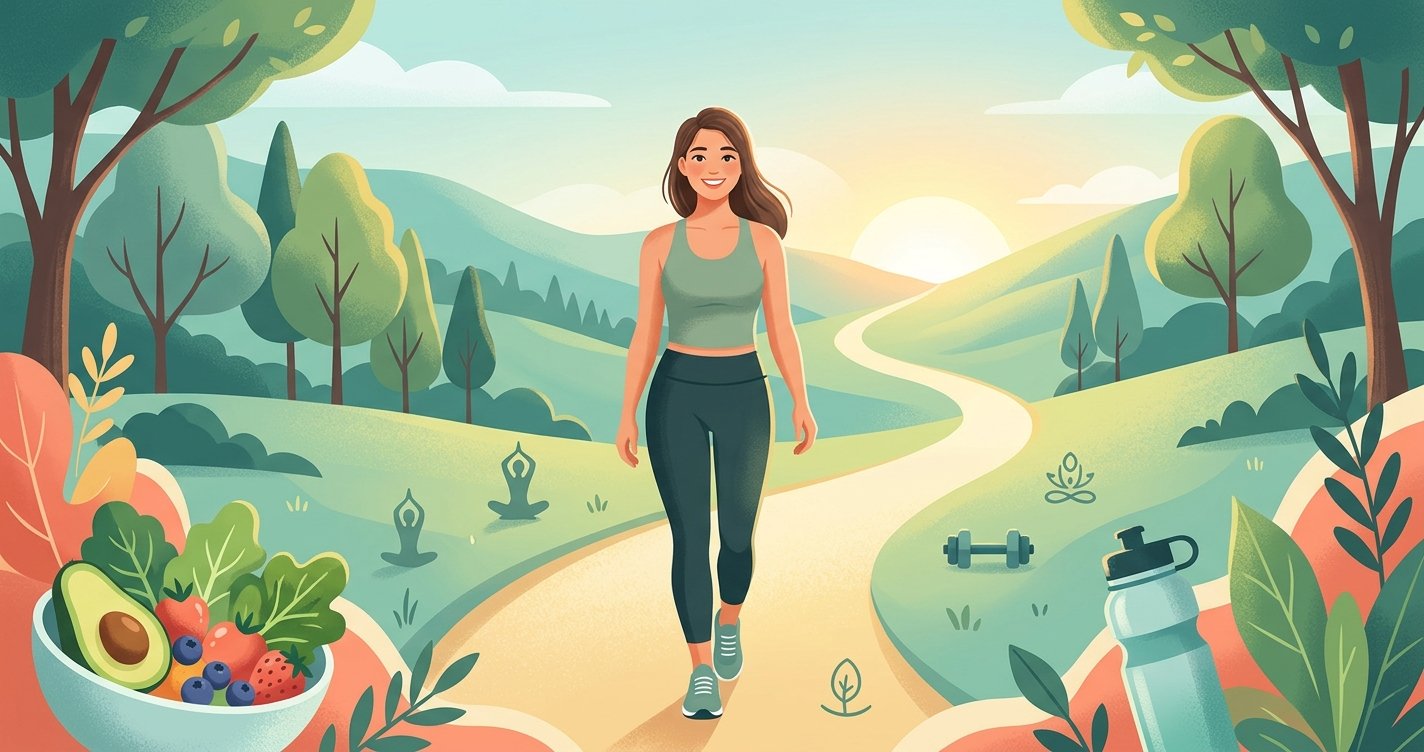
Are you tired of the endless cycle of crash diets, restrictive eating, and intense workout programs that promise rapid fat loss only to leave you feeling defeated and often heavier than before? You're not alone. In a world saturated with 'quick fixes,' it's easy to get lost in the noise and lose sight of what truly works for lasting results. The truth is, sustainable fat loss isn't about deprivation; it's about building healthy, enjoyable habits that you can maintain for life.
This isn't another diet plan. This is your evidence-based, encouraging guide to understanding how your body works and how to foster a healthier relationship with food, movement, and yourself. We'll explore the foundational principles that empower you to achieve your fat loss goals and, more importantly, keep the weight off while improving your overall well-being. Let's ditch the fads and embrace a path to a healthier, happier you. this excellent wellness product
The Foundational Truth: Why Calories Still Matter (But It's Not Just About Counting)
At its core, fat loss boils down to a simple principle: consuming fewer calories than your body expends. This is known as creating a 'caloric deficit.' While this sounds straightforward, the nuance lies in how you achieve that deficit. Obsessively counting every calorie can be draining and unsustainable for many. Instead, focus on making smart, nutrient-dense choices that naturally lead to a deficit without feeling deprived.
- Prioritize Whole Foods: Foods like fruits, vegetables, lean proteins, and whole grains are generally lower in calories and higher in nutrients and fiber, which keeps you feeling full and satisfied.
- Beware of 'Empty Calories': Sugary drinks, highly processed snacks, and excessive amounts of unhealthy fats provide a lot of calories with little nutritional value, leaving you hungry shortly after.
- Listen to Your Body: Learn to recognize true hunger cues versus emotional eating or boredom. This mindful approach can be far more effective than rigid counting.
Understanding this balance is the first step. It's not just about the number; it's about the quality of the calories you consume and how they impact your satiety and energy levels.
Fueling Your Body Right: The Power of Protein, Fiber, and Healthy Fats
While total calories are important, the composition of those calories — your macronutrients (protein, carbohydrates, and fats) — plays a crucial role in fat loss, satiety, and muscle preservation. Focusing on specific macros can help you feel fuller, maintain energy, and support your metabolism.
Protein: Your Satiety Superstar
Protein is incredibly important for fat loss. It's the most satiating macronutrient, meaning it keeps you feeling full for longer, reducing the likelihood of overeating. Moreover, protein helps preserve muscle mass during a caloric deficit, which is vital because muscle is metabolically active and helps burn more calories even at rest. Aim for a good source of protein at every meal.
- Sources: Lean meats (chicken, turkey), fish, eggs, dairy (Greek yogurt, cottage cheese), legumes (beans, lentils), tofu, tempeh.
Fiber: The Digestive Dynamo
Fiber, primarily found in plant-based foods, is another secret weapon for fat loss. It adds bulk to your meals without adding many calories, promoting satiety and aiding digestion. Fiber also helps regulate blood sugar levels, preventing the spikes and crashes that can lead to cravings.
- Sources: Fruits (berries, apples), vegetables (broccoli, spinach), whole grains (oats, quinoa), nuts, seeds, legumes.
Healthy Fats: Essential for Well-being
Don't fear fats! Healthy fats are essential for hormone production, nutrient absorption, and long-term satiety. While calorie-dense, incorporating moderate amounts of healthy fats can prevent cravings and support overall health. The key is moderation.
- Sources: Avocados, nuts (almonds, walnuts), seeds (chia, flax), olive oil, fatty fish (salmon).
Move Your Body, Love Your Body: The Role of Exercise (Beyond Just Cardio)
Exercise is a powerful tool for fat loss, but it's not just about spending hours on the treadmill. A well-rounded approach incorporates different types of movement to maximize calorie expenditure, build muscle, and boost overall health.
Strength Training: Build & Boost
Often overlooked by those focusing solely on the scale, strength training is crucial. Building muscle not only tones your body but also increases your resting metabolic rate, meaning you burn more calories even when you're not exercising. Aim for 2-3 full-body strength sessions per week.
Cardio: Heart Health & Calorie Burn
Cardiovascular exercise is excellent for burning calories, improving heart health, and boosting your mood. Mix it up: try moderate-intensity steady-state cardio (like brisk walking or cycling) with occasional high-intensity interval training (HIIT) for a potent fat-burning effect.
NEAT: The Everyday Advantage
Non-Exercise Activity Thermogenesis (NEAT) refers to the calories you burn from everyday movements that aren't formal exercise – walking, standing, fidgeting, taking the stairs. Increasing your NEAT throughout the day can significantly contribute to your caloric deficit over time. Park further away, take walking breaks, stand up more often.
Find activities you genuinely enjoy. Whether it's dancing, hiking, swimming, or playing sports, consistent movement that feels good is far more sustainable than forcing yourself through workouts you dread.
The Unsung Heroes: Sleep, Stress, and Hydration
You can eat perfectly and exercise diligently, but if you neglect these three pillars, your fat loss efforts might be sabotaged. They profoundly impact your hormones, energy levels, and overall metabolism.
Sleep: Your Body's Reset Button
Lack of sleep can wreak havoc on your fat loss journey. Insufficient rest elevates cortisol (the stress hormone), which can lead to increased fat storage, particularly around the midsection. It also messes with ghrelin (hunger hormone) and leptin (satiety hormone), making you feel hungrier and less satisfied. Aim for 7-9 hours of quality sleep per night.
Stress Management: Taming Cortisol
Chronic stress, like sleep deprivation, triggers continuous cortisol release. This not only encourages fat storage but can also lead to emotional eating. Finding healthy ways to manage stress – meditation, yoga, spending time in nature, hobbies – is vital for both mental and physical health.
Hydration: The Simple Yet Powerful Tool
Water is essential for every bodily function, including metabolism. Staying well-hydrated can help you feel fuller, reduce cravings (sometimes thirst is mistaken for hunger), and aid in nutrient transport. Aim for at least 8 glasses of water a day, more if you're active or in a hot climate.
Mindset Matters: Cultivating a Healthy Relationship with Food and Your Body
Sustainable fat loss isn't just about what you do; it's about how you think and feel. Developing a positive mindset and a healthy relationship with food and your body is crucial for long-term success.
Mindful Eating: Savor and Connect
Practice mindful eating by paying attention to your food, eating slowly, and listening to your body's hunger and fullness cues. This helps you enjoy your meals more and prevents overeating. Put away distractions, chew thoroughly, and truly taste your food.
Emotional Eating: Understanding Your Triggers
Many people turn to food for comfort, stress relief, or boredom. Identifying your emotional eating triggers is the first step to finding healthier coping mechanisms. Instead of reaching for food, try journaling, going for a walk, calling a friend, or engaging in a hobby.
Patience and Self-Compassion: The Long Game
Fat loss is a journey, not a race. There will be plateaus, setbacks, and days when you feel frustrated. Be patient with yourself, celebrate small victories, and practice self-compassion. Focus on non-scale victories like increased energy, better sleep, stronger workouts, and improved mood. Consistency, not perfection, is the key.
Practical Tips for Lasting Change: Small Steps, Big Results
Turning knowledge into action requires practical strategies. Here are some actionable tips to help you integrate these principles into your daily life:
- Meal Prep & Planning: Dedicate time each week to plan your meals and snacks. Having healthy options readily available reduces the likelihood of impulse unhealthy choices.
- Track for Awareness, Not Obsession: Briefly tracking your food intake or activity levels can provide valuable insight into your habits without becoming restrictive. Use it as a learning tool.
- Set Realistic, Small Goals: Instead of aiming to lose 20 pounds in a month, focus on achievable weekly goals, like adding one more serving of vegetables daily or walking for 20 minutes three times a week.
- Find Your Support System: Share your goals with a trusted friend, family member, or join a supportive community. Having accountability and encouragement can make a huge difference.
- Be Consistent, Not Perfect: Don't let one 'bad' meal or missed workout derail your entire week. Acknowledge it, learn from it, and get back on track with your next choice.
Embrace the Journey to a Healthier You
Sustainable fat loss is a holistic endeavor that encompasses nutrition, movement, rest, stress management, and a positive mindset. It's about making peace with your body, fueling it with nourishing foods, and moving it in ways that bring you joy. Ditch the temporary fixes and instead, invest in building habits that will not only help you achieve your fat loss goals but also enhance every aspect of your life.
Remember, this is your unique journey. Start small, be kind to yourself, and celebrate every step forward. You have the power to create lasting change and unlock a healthier, more vibrant you!