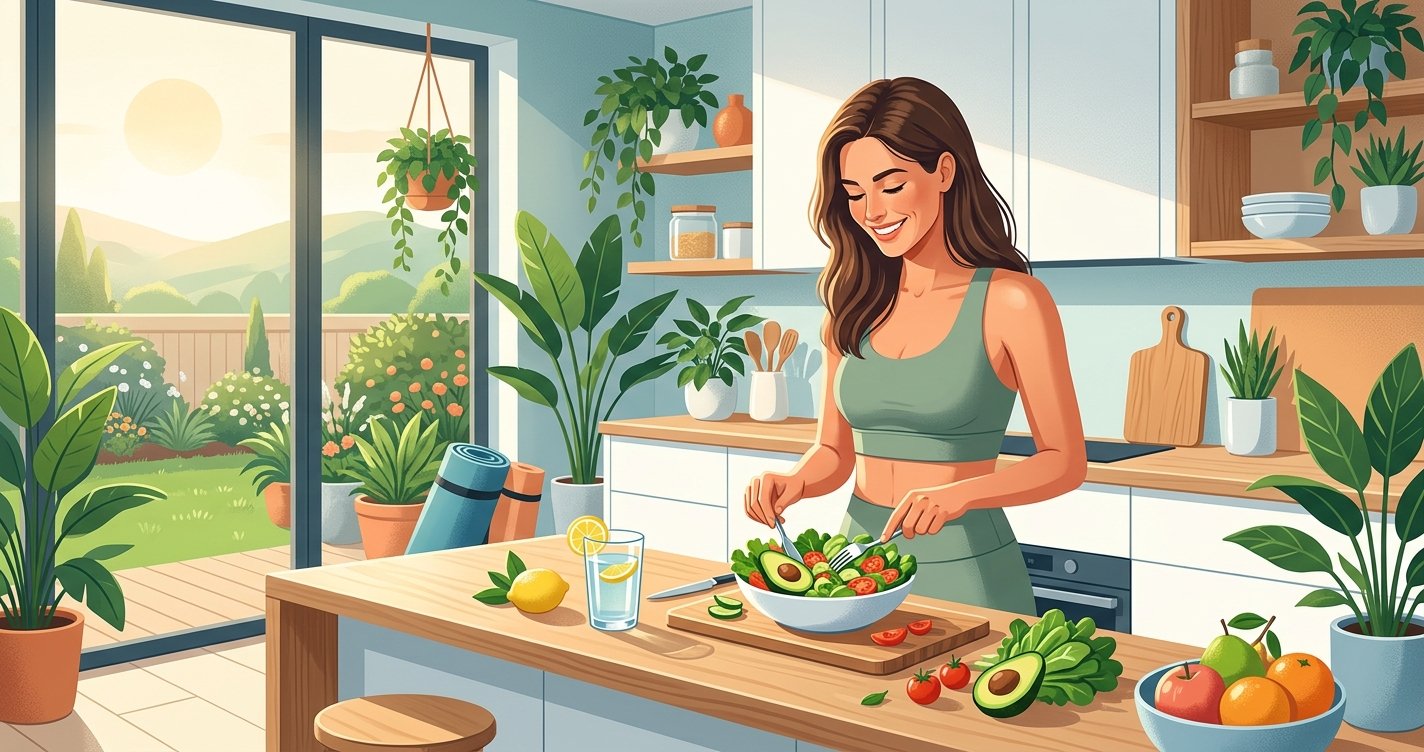
Tired of the weight loss rollercoaster? You're not alone. Many of us have fallen prey to the allure of quick-fix diets, only to find ourselves back where we started, often even heavier and more disheartened. But what if there was a better way? A path to fat loss that doesn't involve extreme deprivation, endless hunger, or sacrificing your favorite foods forever?
Good news: there is! This comprehensive guide will equip you with the knowledge and strategies to achieve sustainable fat loss, transforming not just your body, but your entire relationship with food and your well-being. Let's ditch the quick fixes and embrace a lifestyle that truly lasts. this excellent wellness product
The Vicious Cycle: Why Crash Diets Rarely Work Long-Term
We've all seen them: the 'lose 10 pounds in a week!' headlines. While the initial drop on a crash diet can be exciting, the science is clear: these extreme approaches are a recipe for disappointment and a rebound effect. When you drastically cut calories, your body perceives it as a famine. It responds by slowing down your metabolism to conserve energy, making it harder to burn fat.
Even worse, much of the initial 'weight loss' is often water and precious muscle mass, not fat. Muscle is metabolically active, meaning it burns more calories at rest. Losing it actually makes long-term fat loss harder. Furthermore, extreme restriction often leads to uncontrollable cravings and eventual binges, creating a frustrating cycle of deprivation and overeating. This isn't just about willpower; it's about your body's natural survival mechanisms kicking in.
Laying the Foundation: Understanding Your Calorie Deficit
At its core, fat loss boils down to one fundamental principle: consuming fewer calories than your body burns. This is known as a calorie deficit. Sounds simple, right? It is, but the how makes all the difference. Instead of drastic cuts that shock your system, we aim for a moderate, sustainable deficit – typically 300-500 calories below your Total Daily Energy Expenditure (TDEE).
You can estimate your TDEE using online calculators, which consider your age, weight, height, and activity level. Think of it as a starting point. Tracking your food intake for a few days can give you valuable insight into your current habits. This isn't about rigid counting forever, but about building awareness and making informed choices. A small, consistent deficit over time yields far better and more sustainable results than a massive, unsustainable one.
Fueling Your Body Smartly: Nutrition for Lasting Results
What you eat is just as crucial as how much. Focusing on nutrient-dense whole foods will keep you feeling full, energized, and nourished, making your calorie deficit much easier to maintain.
- Prioritize Protein: Protein is your best friend for fat loss. It's incredibly satiating, helping you feel fuller for longer, which reduces overall calorie intake. It also has a higher thermic effect (meaning your body burns more calories digesting it) and, critically, helps preserve your precious muscle mass during weight loss. Aim for a good source of protein at every meal: lean meats, poultry, fish, eggs, dairy, legumes, tofu, tempeh.
- Embrace Fiber-Rich Foods: Vegetables, fruits, whole grains, and legumes are packed with fiber. Fiber adds bulk to your meals, promoting satiety, aiding digestion, and helping to stabilize blood sugar levels, preventing those energy crashes and subsequent cravings.
- Choose Whole, Unprocessed Foods: Minimize ultra-processed foods, sugary drinks, and excessive unhealthy fats. These are often calorie-dense but nutrient-poor, leaving you unsatisfied and contributing to inflammation. Focus on real, single-ingredient foods as much as possible.
- Stay Hydrated: Often overlooked, water plays a vital role. Drinking enough water can help with satiety, boost metabolism slightly, and ensure all your bodily functions are running optimally. Sometimes, thirst is mistaken for hunger!
Move Your Body, Transform Your Shape: Exercise Strategies That Work
While nutrition is the cornerstone of fat loss, exercise is the powerful sculptor that shapes your results and boosts your overall health.
- Lift Weights (or Your Body): Strength training is non-negotiable for sustainable fat loss. Building and maintaining muscle mass not only gives you a toned physique but also significantly boosts your resting metabolism. The more muscle you have, the more calories you burn, even when you're just sitting around! Aim for 2-4 sessions per week, focusing on compound movements that work multiple muscle groups.
- Incorporate Cardio: Cardiovascular exercise (like brisk walking, jogging, cycling, swimming, or dancing) is excellent for burning calories, improving heart health, and boosting your mood. Find activities you genuinely enjoy to ensure consistency.
- Increase Non-Exercise Activity Thermogenesis (NEAT): This is all the movement you do outside of structured exercise – walking to work, taking the stairs, fidgeting, gardening. Small increases in NEAT throughout your day can add up to a significant calorie burn over time. Park further away, take a walk during your lunch break, stand more often.
The Mind-Body Connection: Sleep, Stress, and Mindset
Your journey to sustainable fat loss isn't just about calories and reps; it's deeply intertwined with your mental and emotional well-being.
- Prioritize Quality Sleep: Lack of sleep wreaks havoc on your hormones. It increases ghrelin (the hunger hormone) and decreases leptin (the satiety hormone), making you feel hungrier and less satisfied. Aim for 7-9 hours of quality sleep per night to support your body's recovery and hormonal balance.
- Manage Stress Effectively: Chronic stress elevates cortisol levels, which can promote fat storage, especially around the midsection, and increase cravings for unhealthy foods. Find healthy stress-reduction techniques that work for you, whether it's meditation, yoga, spending time in nature, or hobbies.
- Cultivate a Positive Mindset: This is a marathon, not a sprint. Embrace patience, self-compassion, and consistency. Don't let a single 'bad' meal or missed workout derail your entire effort. Learn from slip-ups, get back on track, and celebrate small victories. Focus on progress, not perfection.
Consistency is Your Superpower: Making it a Lifestyle
The most powerful tool in your sustainable fat loss arsenal is consistency. This isn't about being perfect every single day; it's about showing up, making good choices most of the time, and building habits that seamlessly integrate into your life.
- Start Small, Build Gradually: Don't try to overhaul everything at once. Pick one or two habits to focus on each week – like adding protein to breakfast or taking a 20-minute walk daily. Once those are established, add another.
- Embrace Flexibility (The 80/20 Rule): Life happens! There will be social events, birthdays, and days when you crave a treat. Aim to be consistent 80% of the time, allowing for flexibility and enjoyment in the other 20%. This approach makes the journey enjoyable and sustainable, preventing feelings of deprivation.
- Be Patient and Kind to Yourself: Fat loss is a non-linear process. There will be plateaus and fluctuations. Trust the process, stay consistent, and remember your 'why.' Focus on how you feel, your energy levels, and your strength, not just the number on the scale.
Achieving sustainable fat loss isn't about torturing yourself with restrictive diets or grueling workouts. It's about empowering yourself with knowledge, building healthy habits, and fostering a positive relationship with your body and food. By understanding the principles of a moderate calorie deficit, prioritizing nutrient-dense foods, incorporating effective exercise, and nurturing your mind, you can step off the diet rollercoaster for good. This isn't just about losing weight; it's about gaining health, energy, and confidence for a lifetime. Start today, make one small change, and watch how those consistent efforts transform your life.