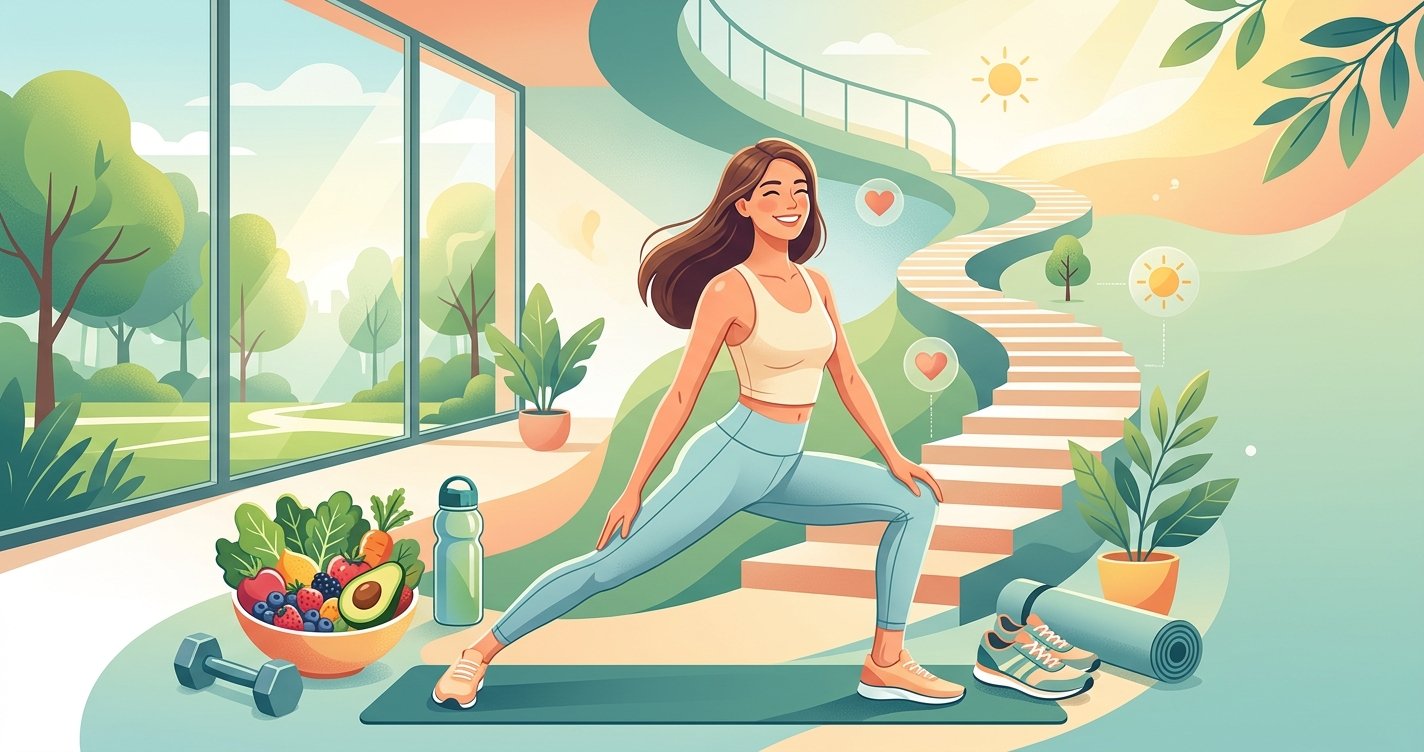
Tired of the Fat Loss Rollercoaster? Let's Find a Sustainable Path!
Let's be honest: the world of fat loss can feel like a confusing, frustrating maze. One day it's keto, the next it's intermittent fasting, then it's endless hours on the treadmill. We've all been there, chasing the next quick fix, only to find ourselves back where we started, often feeling worse than before. You’re not alone if you’ve felt trapped in a cycle of extreme diets, grueling workouts, and ultimately, disappointment.
But what if there was a better way? A path that doesn't involve starvation, deprivation, or punishing yourself at the gym? The good news is, there is! This guide is about unlocking sustainable fat loss – a gentle, evidence-based approach that prioritizes your long-term health, happiness, and well-being over fleeting, unsustainable results. It's about building habits you can actually stick with, making peace with your body, and enjoying the journey to a healthier you. this excellent wellness product
Why Crash Diets and Endless Cardio Miss the Mark
The Pitfalls of Extreme Restriction
Those super-low-calorie diets might show quick results on the scale initially, but they come at a steep price. When you drastically cut calories, your body, an evolutionary marvel, interprets this as a famine. It slows down your metabolism to conserve energy, a process known as metabolic adaptation. This means you burn fewer calories even at rest. Worse still, extreme restriction often leads to muscle loss, which further slows your metabolism because muscle tissue burns more calories than fat tissue.
Beyond the metabolic slowdown, intense restriction messes with your hunger hormones. Ghrelin, the 'hunger hormone,' spikes, while leptin, the 'satiety hormone,' drops. This creates an insatiable craving cycle, making adherence almost impossible and often leading to rebound weight gain – sometimes even more than you lost. It’s a recipe for frustration, not sustainable fat loss.
The Cardio Conundrum: More Isn't Always Better
Many believe that endless hours of cardio are the key to shedding fat. While cardio has immense health benefits, relying solely on it, especially at high intensities for prolonged periods, can be counterproductive for fat loss. Excessive cardio can elevate cortisol levels, your body's primary stress hormone. Chronically high cortisol can actually promote fat storage, particularly around the midsection, and lead to muscle breakdown.
Furthermore, your body adapts to cardio. You become more efficient, burning fewer calories for the same effort over time. It can also lead to burnout, injury, and a monotonous routine that’s hard to stick with. The goal isn't just to burn calories during your workout; it's to create a metabolic environment that favors fat loss around the clock.
The Foundation: A Gentle Calorie Deficit
Understanding Your Energy Balance
At its core, fat loss comes down to a simple principle: you must consume fewer calories than your body expends. This is called a calorie deficit. However, 'fewer' doesn't mean 'as little as possible.' A gentle, consistent deficit of 300-500 calories per day is often enough to promote steady, sustainable fat loss (around 1-2 pounds per week) without triggering your body's famine response or causing extreme hunger.
Think of it like this: your body needs a certain amount of energy (calories) to function. If you give it slightly less than it needs, it will tap into its stored energy (body fat) to make up the difference. This isn't about deprivation; it's about mindful consumption and making smarter choices.
Practical Tips for Managing Calories Without Obsession
- Mindful Eating: Pay attention to your body's hunger and fullness cues. Eat slowly, savor your food, and put down your fork between bites.
- Portion Control: You don't need to weigh every grain of rice, but understanding appropriate portion sizes (e.g., a deck of cards for protein, a cupped hand for carbs) can be incredibly helpful.
- Prioritize Nutrient-Dense Foods: Focus on whole, unprocessed foods like vegetables, fruits, lean proteins, and healthy fats. These foods are generally lower in calories but higher in volume and nutrients, keeping you feeling full and satisfied.
- Strategic Swaps: Replace sugary drinks with water, opt for baked over fried, and choose whole grains over refined ones. Small changes add up!
Your Nutritional Allies: Protein, Fiber, and Smart Carbs
Protein: The Satiety and Muscle Preserver
If there's one macronutrient to prioritize for fat loss, it's protein. Here's why:
- Satiety: Protein is the most satiating macronutrient. It keeps you feeling fuller for longer, reducing the urge to snack unnecessarily.
- Muscle Preservation: Adequate protein intake is crucial for preserving muscle mass during a calorie deficit. Remember, muscle burns more calories!
- Thermic Effect: Protein has a higher thermic effect of food (TEF) than carbs or fats. This means your body burns more calories digesting and metabolizing protein.
Aim for 0.7-1 gram of protein per pound of body weight (or target body weight) spread throughout your meals. Excellent sources include lean meats, poultry, fish, eggs, dairy, legumes, and tofu.
Fiber and Whole Foods: Fueling Your Body Wisely
Fiber-rich foods, primarily fruits, vegetables, and whole grains, are your allies. Fiber adds bulk to your meals, promoting satiety and aiding digestion. It also helps stabilize blood sugar levels, preventing energy crashes and subsequent cravings.
Focus on a plate rich in colorful vegetables, lean proteins, and smart carbohydrates like quinoa, brown rice, oats, and sweet potatoes. These whole foods provide essential vitamins and minerals, fueling your body for optimal function and sustained energy.
Beyond the Treadmill: Embrace Strength Training
Build Muscle, Boost Metabolism
This is where many people get it wrong. For sustainable fat loss, strength training is non-negotiable. Lifting weights (or using your body weight) helps you:
- Preserve and Build Muscle: As mentioned, muscle is metabolically active. The more muscle you have, the more calories your body burns at rest.
- Improve Body Composition: Even if the scale doesn't move drastically, strength training helps you lose fat and gain muscle, leading to a leaner, more toned physique.
- Boost Metabolism Post-Workout: The 'afterburn effect' (EPOC – Excess Post-exercise Oxygen Consumption) means your body continues to burn extra calories for hours after a strength training session as it recovers.
Aim for 2-4 strength training sessions per week, focusing on compound movements (squats, deadlifts, presses, rows) that work multiple muscle groups. You don't need to be a bodybuilder; consistent effort with proper form is key.
Getting Started with Weights (or Bodyweight)
If you're new to strength training, start simple. Bodyweight exercises like squats, lunges, push-ups (on knees if needed), and planks are excellent. As you get stronger, consider adding resistance with dumbbells, resistance bands, or gym machines. Many online resources and personal trainers can help you get started safely and effectively.
Move More, Stress Less: The Power of NEAT and Smart Movement
Unlocking Non-Exercise Activity Thermogenesis (NEAT)
Beyond structured workouts, your daily non-exercise movement plays a significant role in calorie expenditure. This is called NEAT (Non-Exercise Activity Thermogenesis). It includes everything from walking to fidgeting, standing, and taking the stairs. Small increases in NEAT throughout your day can add up significantly over time.
- Walk More: Aim for 7,000-10,000 steps daily. Take the stairs, park further away, take walking breaks.
- Stand Up: Use a standing desk or take standing breaks every hour.
- Fidget: Believe it or not, fidgeting burns calories!
Mindful Movement and Stress Reduction
Consider incorporating mindful movement practices like yoga or Pilates. These not only build strength and flexibility but also help reduce stress. Chronic stress elevates cortisol, which, as we discussed, can hinder fat loss. Finding healthy ways to manage stress – whether it's meditation, spending time in nature, or engaging in hobbies – is a vital component of sustainable health and fat loss.
The Crucial Role of Sleep and Hydration
Sleep: Your Body's Recovery and Hormone Regulator
Often overlooked, quality sleep is paramount for fat loss. When you're sleep-deprived, your body's hunger hormones go haywire: ghrelin increases (making you hungrier), and leptin decreases (making you less satisfied). You're also more likely to crave sugary, high-calorie foods and have less energy for workouts.
Aim for 7-9 hours of quality sleep per night. Create a consistent sleep schedule, make your bedroom dark and cool, and avoid screens before bed. Prioritizing sleep is not lazy; it's a powerful fat loss strategy.
Hydration: Simple Yet Powerful
Water is essential for countless bodily functions, including metabolism. Staying well-hydrated can also help with satiety, sometimes people mistake thirst for hunger. Drinking a glass of water before meals can help you feel fuller and potentially eat less. Keep a water bottle handy and sip throughout the day. Aim for roughly 8 glasses (2 liters) daily, adjusting for activity levels and climate.
Cultivating a Sustainable Mindset: Patience and Self-Compassion
The Long Game: Consistency Over Perfection
Sustainable fat loss isn't a sprint; it's a marathon. There will be good days and bad days, progress and plateaus. The key is consistency, not perfection. Don't let one 'off' meal or missed workout derail your entire effort. Acknowledge it, learn from it, and get back on track with your next meal or workout.
Celebrate small victories – fitting into clothes, feeling stronger, having more energy. The scale is just one metric, and it doesn't tell the whole story. Focus on building healthy habits that you can maintain for life.
Listen to Your Body, Not Just the Scale
Your body is incredibly intelligent. Learn to listen to its signals. Are you genuinely hungry, or just bored? Are you tired, or do you need a different kind of movement? Sustainable fat loss is about tuning into your body's needs and responding with care and respect, rather than punishing it into submission.
Your Journey to Lasting Fat Loss Starts Now
Ditching the extremes and embracing a sustainable approach to fat loss is not just about changing your body; it's about transforming your relationship with food, exercise, and yourself. It's about building lasting habits that support your health and well-being for years to come. Remember, you deserve a path that is kind, effective, and empowering.
Start small, be consistent, be patient, and most importantly, be kind to yourself. Your journey to lasting fat loss and a healthier, happier you begins with these sustainable choices. You've got this!