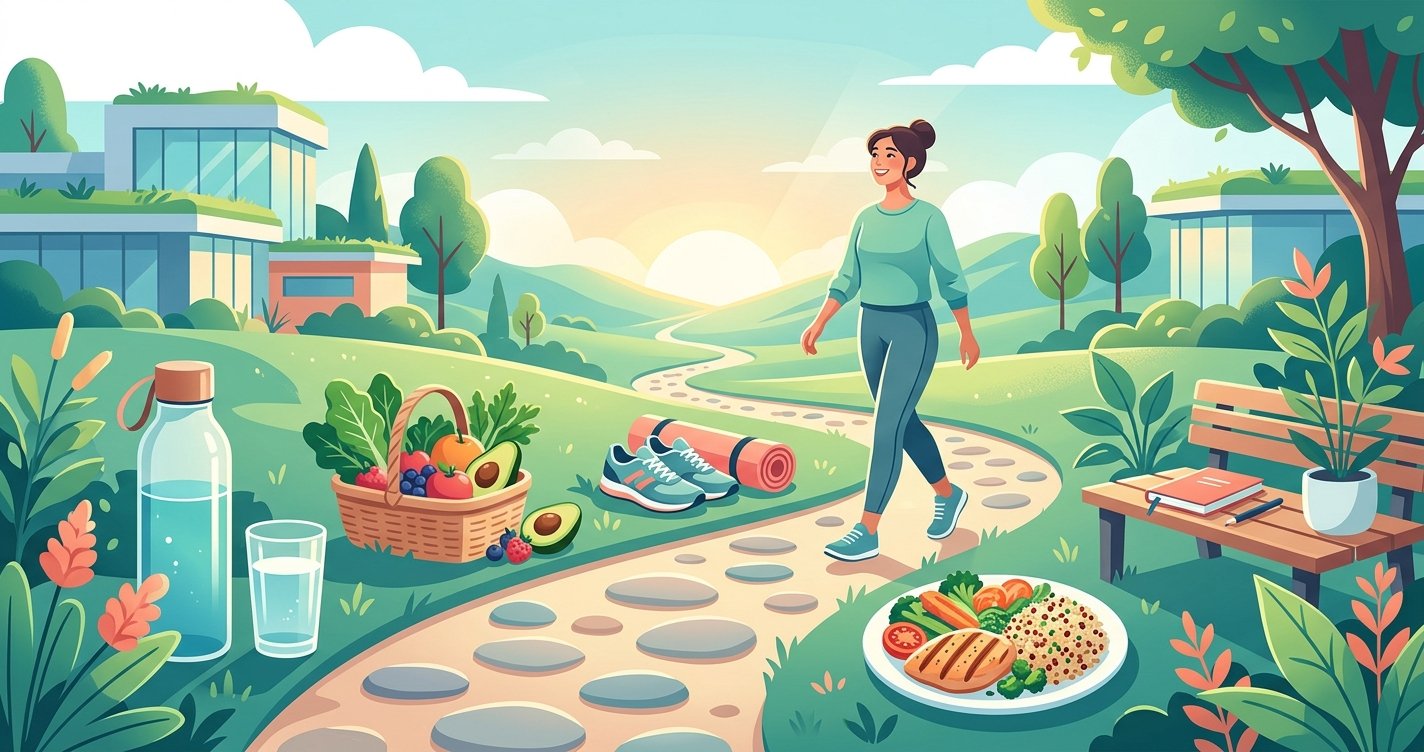
Are you tired of the endless cycle of restrictive diets, quick fixes, and the inevitable rebound weight gain? You're not alone. In a world obsessed with rapid results, it's easy to get caught in a trap that leaves you feeling frustrated, deprived, and further away from your health goals. But what if there was a different way? A path to fat loss that focuses on lasting change, not just temporary numbers on a scale?
Welcome to the world of sustainable fat loss – a journey centered around building healthy habits that seamlessly integrate into your life. This isn't about deprivation; it's about empowerment. It's not about a sprint; it's about a marathon you'll actually enjoy. Let's explore how you can ditch the diet mentality and embrace a lifestyle that supports genuine, long-term fat loss and overall well-being. this excellent wellness product
Why Diets Often Fail (and What Works Instead)
Most traditional diets operate on a simple, yet often unsustainable, premise: severe calorie restriction. While this can lead to initial weight loss, it often comes at a cost. Your body, designed for survival, perceives this restriction as a threat, leading to a cascade of physiological and psychological responses:
- Metabolic Slowdown: Your metabolism can adapt, becoming more efficient at using fewer calories, making further fat loss harder.
- Hormonal Imbalance: Hunger hormones like ghrelin increase, while satiety hormones like leptin decrease, making you constantly feel hungry.
- Muscle Loss: Without adequate protein and strength training, restrictive diets often lead to muscle loss, which further reduces your resting metabolic rate.
- Psychological Burnout: Constant deprivation can lead to cravings, binge eating, and a negative relationship with food, ultimately making the diet unsustainable.
The evidence is clear: the vast majority of people who lose weight through restrictive dieting regain it, and often more. The good news? We now understand that sustainable fat loss isn't just about 'eat less, move more.' It's about 'eat smarter, move intentionally, and live healthier.' It's about changing your daily actions, one small, consistent habit at a time.
The Pillars of Sustainable Fat Loss: Beyond Just Calories
True, lasting fat loss is a holistic endeavor. It's a symphony of nutrition, movement, sleep, stress management, and mindset. When these elements work in harmony, your body is optimized to release excess fat and thrive.
1. Nurturing Your Nutrition: Mindful Eating & Smart Choices
Forget rigid meal plans and banned foods. Sustainable nutrition focuses on nourishing your body, not punishing it. Here's how:
- Prioritize Whole, Unprocessed Foods: Base your diet around fruits, vegetables, lean proteins, healthy fats, and whole grains. These foods are rich in nutrients and fiber, keeping you feeling full and energized.
- Adequate Protein Intake: Protein is your best friend for fat loss. It's incredibly satiating, helps preserve muscle mass during a calorie deficit, and has a higher thermic effect (meaning your body burns more calories digesting it). Aim for 0.7-1 gram per pound of body weight.
- Embrace Fiber: Found in plants, fiber adds bulk to your meals, aids digestion, and helps regulate blood sugar, preventing energy crashes and cravings.
- Stay Hydrated: Often overlooked, drinking enough water is crucial. It can help with satiety, boost metabolism, and is essential for countless bodily functions.
- Practice Mindful Eating: Slow down. Pay attention to your hunger and fullness cues. Savor your food. This helps you recognize when you're truly satisfied, preventing overeating.
- Smart Snacking: If you need to snack, choose nutrient-dense options like a handful of nuts, a piece of fruit, or Greek yogurt.
Evidence Check: Studies consistently show that diets rich in protein and fiber lead to greater satiety and improved body composition, making adherence easier and more sustainable.
2. Move Your Body Smartly: Exercise for Lasting Results
Exercise isn't just about burning calories in the moment; it's about building a stronger, more metabolically active body. Think beyond endless cardio.
- Strength Training is King (or Queen!): Lifting weights (or using your body weight) builds and preserves muscle mass. More muscle means a higher resting metabolic rate, meaning you burn more calories even when you're at rest. Aim for 2-4 sessions per week, targeting all major muscle groups.
- Incorporate Varied Cardio: While steady-state cardio (like walking or jogging) is great for heart health and calorie expenditure, consider adding high-intensity interval training (HIIT) once or twice a week. HIIT can be very effective for fat loss and improving cardiovascular fitness in less time.
- Find Movement You Enjoy: Consistency is key. Whether it's dancing, hiking, cycling, or playing a sport, choose activities that genuinely bring you joy. This makes exercise feel less like a chore and more like a treat.
- Increase Non-Exercise Activity Thermogenesis (NEAT): Simply put, move more throughout your day. Take the stairs, park further away, walk during phone calls, or stand more often. These small bursts of activity add up significantly.
Evidence Check: Research indicates that strength training is crucial for maintaining muscle mass during fat loss, which is a key predictor of long-term weight management success. HIIT has also shown superior fat loss results compared to steady-state cardio in some studies.
3. The Unsung Heroes: Sleep & Stress Management
You can eat perfectly and train hard, but if you're neglecting sleep and stress, your body will fight you every step of the way.
- Prioritize Quality Sleep: Lack of sleep disrupts key hormones. Ghrelin (the hunger hormone) increases, making you feel hungrier, while leptin (the satiety hormone) decreases, making it harder to feel full. Cortisol (the stress hormone) also rises, which can promote fat storage, especially around your midsection. Aim for 7-9 hours of quality sleep per night.
- Manage Stress Effectively: Chronic stress keeps cortisol levels elevated. This not only encourages fat storage but can also lead to emotional eating and reduced motivation for healthy habits.
Tips for Better Sleep & Stress:
- Establish a consistent sleep schedule.
- Create a relaxing bedtime routine (e.g., warm bath, reading, meditation).
- Limit screen time before bed.
- Practice mindfulness or meditation daily.
- Spend time in nature.
- Engage in hobbies that relax you.
- Consider journaling to process thoughts.
Evidence Check: Numerous studies link chronic sleep deprivation and high cortisol levels to increased appetite, cravings for unhealthy foods, and greater abdominal fat accumulation.
4. Cultivating a Positive Mindset: Patience & Self-Compassion
Your mental game is just as important as your physical one. Fat loss is not a linear process, and setbacks are inevitable. How you respond to them makes all the difference.
- Embrace Patience: Sustainable fat loss takes time. Celebrate small victories and understand that progress isn't always reflected on the scale.
- Practice Self-Compassion: Don't beat yourself up over an 'off' day or a less-than-perfect meal. Acknowledge it, learn from it, and get back on track without guilt.
- Focus on Non-Scale Victories: Are your clothes fitting better? Do you have more energy? Are you stronger? Are you sleeping better? These are powerful indicators of progress.
- Challenge Perfectionism: Consistency trumps perfection. Aim for 'good enough' most of the time, rather than 'perfect' for a short period.
- Cultivate a Growth Mindset: See challenges as opportunities to learn and adapt, rather than failures.
Turning Knowledge into Action: Building Your Habits
Now that you understand the pillars, how do you actually implement them? The secret lies in gradual, consistent habit building:
- Start Small: Don't try to overhaul everything at once. Pick one small habit to focus on. For example: 'I will drink a glass of water before every meal' or 'I will go for a 15-minute walk after dinner.'
- Be Consistent: Perform your chosen habit daily, even when you don't feel like it. Consistency builds momentum.
- Stack Habits: Link new habits to existing ones. 'After I brush my teeth, I will do 10 squats.'
- Track Your Progress: Use a journal or an app to track your habits, not just your weight. Seeing your consistent effort can be incredibly motivating.
- Be Patient and Persistent: Some habits will stick quickly; others will take longer. Keep going!
Your Journey to Lasting Health Begins Now
Sustainable fat loss isn't a destination; it's a lifelong journey of self-care and continuous improvement. By focusing on building healthy, enjoyable habits around nutrition, movement, sleep, stress management, and cultivating a positive mindset, you're not just losing fat – you're gaining vitality, confidence, and a healthier relationship with your body. Ditch the diet mentality and embrace the power of lasting habits. Your body, mind, and future self will thank you.