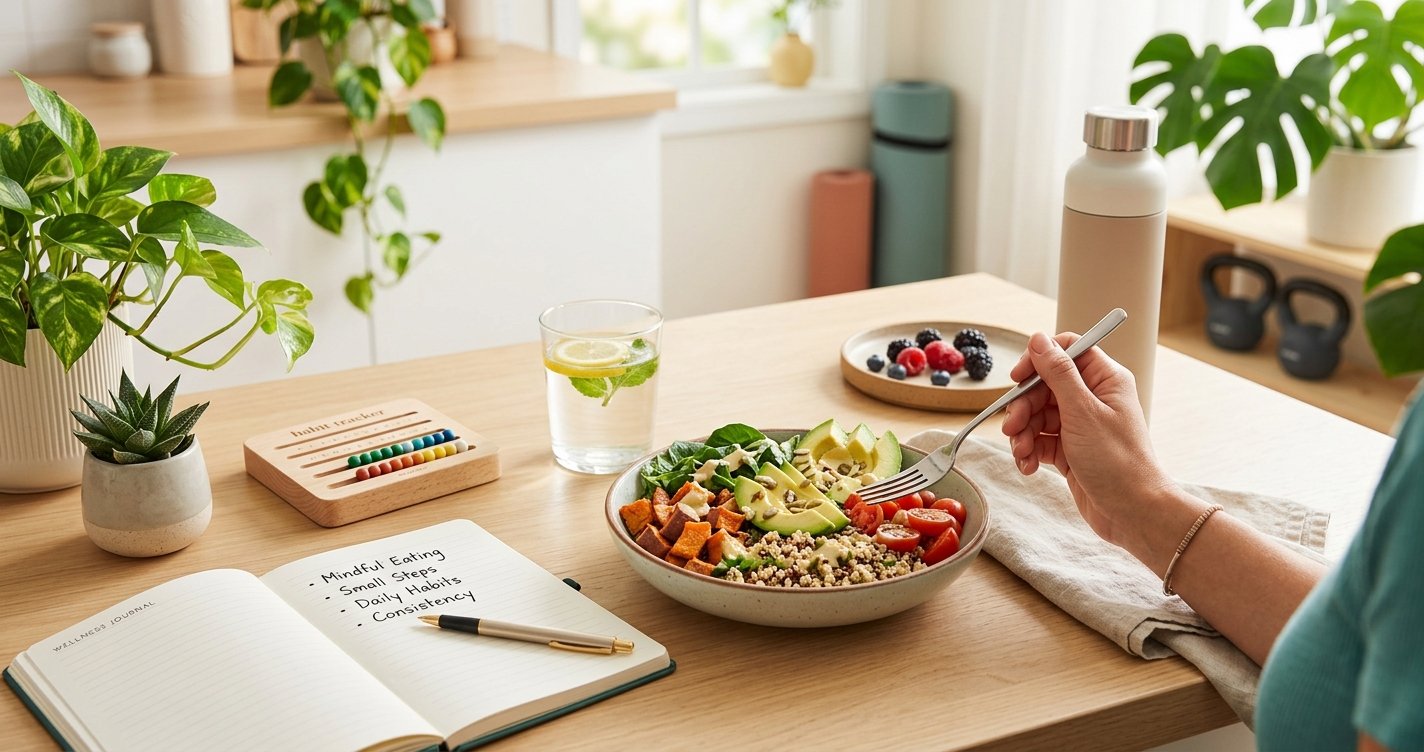
Are you tired of the endless cycle of restrictive diets, quick fixes, and the frustration of seeing the scale yo-yo? You’re not alone. Many of us embark on a fat loss journey with the best intentions, only to find ourselves back where we started, feeling defeated. What if there was a different way? A path that focuses not on deprivation, but on building sustainable habits and fostering a healthier relationship with food and your body? Welcome to the world of sustainable fat loss.
This isn't about chasing fleeting results; it's about crafting a lifestyle that supports your well-being, energy, and a healthy body composition for the long haul. Instead of drastic overhauls, we'll explore small, consistent changes that accumulate into powerful transformations. Let's ditch the diet mentality and embrace an evidence-based, encouraging approach to achieving lasting fat loss. this excellent wellness product
Beyond the Scale: Understanding Sustainable Fat Loss
Before we dive into the 'how,' let's redefine 'fat loss.' True, sustainable fat loss isn't just about a number on the scale. It's about reducing body fat while preserving muscle mass, improving metabolic health, boosting energy levels, and enhancing overall vitality. When fat loss is sustainable, it means you can maintain your results without constant struggle or feeling deprived.
Traditional diets often fail because they're, by nature, temporary. They impose strict rules that are hard to follow indefinitely, leading to a rebound once the diet ends. Sustainable fat loss, on the other hand, is about integrating healthy practices into your everyday life, making them second nature. It’s about understanding your body, nourishing it wisely, and moving it joyfully.
This approach acknowledges that your body is complex, and many factors influence fat storage and metabolism – not just calories in vs. calories out. We’ll look at the bigger picture, including sleep, stress, hormones, and mindset, all of which play crucial roles in your ability to lose fat and keep it off.
The Power of Mindful Eating: Rewiring Your Relationship with Food
One of the most impactful habits you can cultivate for sustainable fat loss is mindful eating. This isn't a diet; it's a practice of paying attention to your food, your body's signals, and your eating experience without judgment.
Listen to Your Body's Hunger and Fullness Cues
- Before you eat: Ask yourself, "Am I truly hungry, or am I eating out of boredom, stress, or habit?"
- While you eat: Eat slowly, put your fork down between bites, and pay attention to the flavors, textures, and aromas.
- After you eat: Stop when you feel satisfied, not stuffed. Aim for about 80% full. This simple shift can naturally lead to consuming fewer calories without feeling deprived.
Savor Your Meals and Reduce Distractions
Eating in front of the TV, while scrolling on your phone, or during intense work can lead to overeating because you're not registering the food you're consuming. Dedicate time to your meals. Turn off screens, sit at a table, and engage your senses. This practice helps you appreciate your food more and allows your body to register satiety signals effectively, supporting healthy fat loss.
Movement That Matters: Finding Joy in Physical Activity
You don't need to spend hours at the gym to achieve sustainable fat loss. The key is finding physical activities you genuinely enjoy and can stick with consistently. Movement is crucial for burning calories, building muscle (which boosts your metabolism), improving insulin sensitivity, and reducing stress.
The Mix of Cardio and Strength Training
For optimal fat loss and body composition, a combination of both cardiovascular exercise and strength training is highly effective:
- Strength Training (2-3 times per week): Lifting weights, using resistance bands, or doing bodyweight exercises helps build and preserve muscle mass. More muscle means a higher resting metabolism, meaning you burn more calories even at rest.
- Cardiovascular Exercise (150 minutes of moderate intensity or 75 minutes of vigorous intensity per week): Walking, jogging, cycling, swimming, dancing – choose what you love. Cardio is excellent for heart health, burning calories, and improving endurance.
Incorporate Daily Movement
Beyond structured workouts, simply moving more throughout your day makes a huge difference. Take the stairs, park further away, walk during phone calls, or set a timer to stand up and stretch every hour. These 'non-exercise activity thermogenesis' (NEAT) calories add up significantly over time, contributing to your overall energy expenditure and supporting fat loss.
Sleep, Stress, and Hormones: The Unsung Heroes of Fat Loss
You might be diligently tracking your food and hitting the gym, but if you're neglecting sleep and stress management, you could be unknowingly sabotaging your fat loss efforts. These factors profoundly impact your hormones, which in turn regulate appetite, metabolism, and fat storage.
Prioritizing Quality Sleep (7-9 Hours)
Lack of sleep disrupts hormones like ghrelin (which stimulates appetite) and leptin (which signals fullness), leading to increased cravings for unhealthy foods and a tendency to overeat. Poor sleep also increases cortisol, a stress hormone that can promote belly fat storage. Aim for 7-9 hours of quality sleep per night. Establish a consistent sleep schedule, create a relaxing bedtime routine, and optimize your bedroom environment for darkness and coolness.
Managing Chronic Stress
Just like lack of sleep, chronic stress elevates cortisol levels. Sustained high cortisol can lead to increased appetite, cravings for sugary and fatty foods, and a predisposition to store fat, particularly around the abdomen. Find healthy ways to manage stress:
- Mindfulness meditation or deep breathing exercises.
- Spending time in nature.
- Engaging in hobbies you enjoy.
- Connecting with loved ones.
- Journaling.
Addressing stress isn't just good for your mental health; it's a critical component of sustainable fat loss.
Building Your Habit Toolkit: Practical Steps for Lasting Change
Sustainable fat loss is all about building a collection of small, positive habits that become second nature. It’s not about perfection, but consistency.
Start Small and Be Consistent
Don't try to overhaul everything at once. Pick one or two habits to focus on for a few weeks until they feel easy, then add another. Examples:
- Drink a glass of water before every meal.
- Walk for 15 minutes after dinner.
- Replace one sugary drink with water each day.
- Ensure half your plate at dinner is non-starchy vegetables.
Consistency over intensity is the golden rule for lasting change.
Plan and Prepare for Success
Life gets busy, and that's when old habits creep back in. Proactive planning can make all the difference:
- Meal Prep: Dedicate time each week to prepare healthy meals or components (chopped veggies, cooked grains, lean protein).
- Healthy Snacks: Keep fruits, nuts, or yogurt on hand to avoid reaching for less healthy options when hunger strikes.
- Schedule Workouts: Treat your exercise appointments like any other important meeting.
The more you plan, the less willpower you'll need in the moment.
Embracing Patience and Self-Compassion
Your fat loss journey won't be a straight line. There will be plateaus, setbacks, and days when you feel less motivated. This is normal. The key to sustainable fat loss is not perfection, but resilience.
Practice self-compassion. Instead of beating yourself up over a missed workout or an indulgent meal, acknowledge it, learn from it, and gently guide yourself back on track. Celebrate your small victories, focus on how your body feels, and remember that progress, not perfection, is the goal. Your body is doing incredible work every day; treat it with kindness and respect.
Your Journey to Lasting Fat Loss Starts Now
Sustainable fat loss through habit building and mindful eating is a powerful, liberating approach. It moves you away from the endless cycle of dieting and towards a lifestyle of health, energy, and self-care. By focusing on mindful eating, joyful movement, quality sleep, stress management, and building consistent habits, you're not just losing fat; you're building a stronger, healthier, and happier you.
Remember, this is a journey, not a race. Be patient, be kind to yourself, and celebrate every step of your progress. You have the power to create lasting change, one healthy habit at a time. Start today, and unlock a new chapter in your health and well-being.