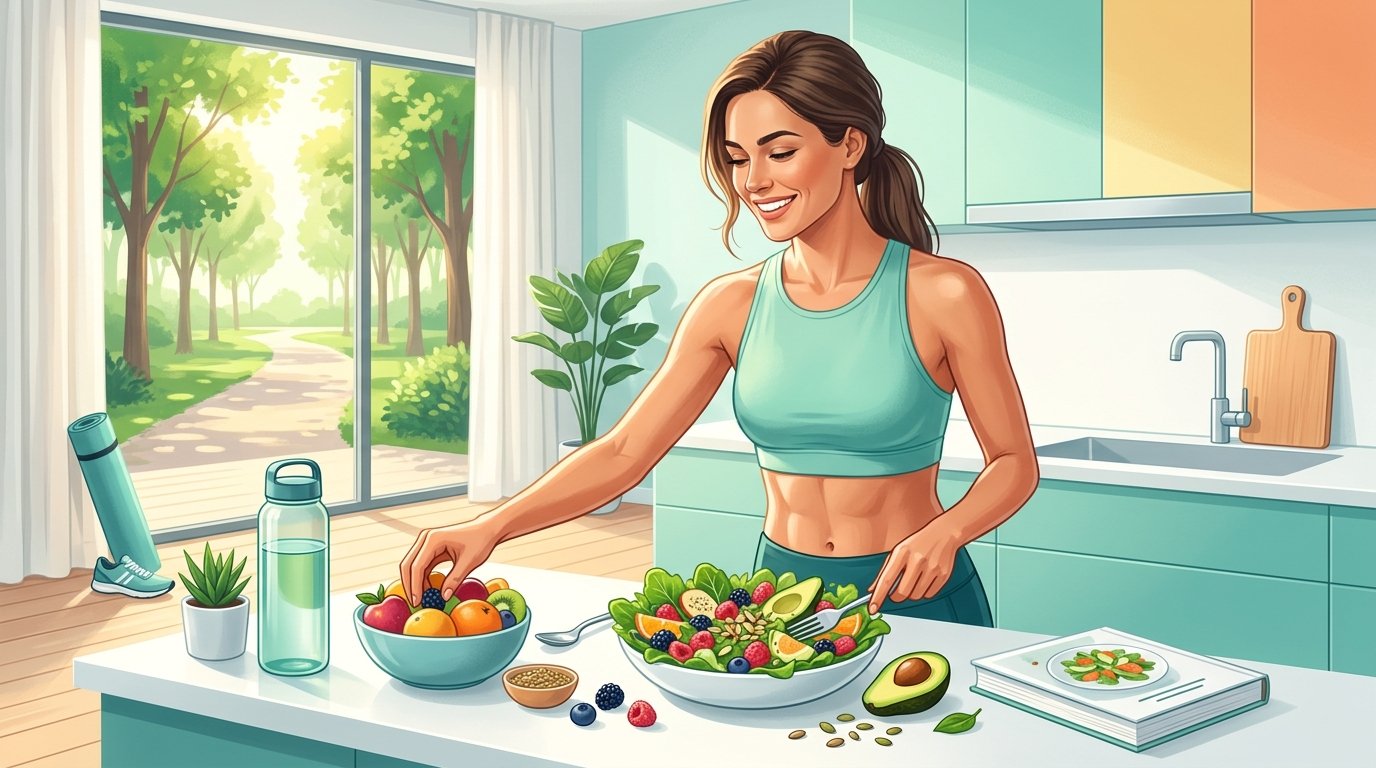
Are you tired of the endless cycle of restrictive diets, only to regain the weight (and often more) a few months later? You're not alone. Millions embark on strict eating plans each year, filled with hope, only to be met with frustration, deprivation, and ultimately, disappointment. The truth is, most conventional diets are designed for short-term results, not lasting change. They often ignore the complex interplay of our bodies, minds, and daily lives, making them unsustainable in the long run.
But what if there was another way? A path to fat loss that doesn't involve counting every calorie, cutting out entire food groups, or feeling constantly hungry? This isn't about a magic pill or a quick fix; it's about shifting your approach from temporary deprivation to permanent, healthy habits. Welcome to the world of sustainable fat loss, where small, consistent changes lead to profound and lasting results. It’s time to ditch the diet mentality and build a healthier, happier you, one mindful step at a time. this excellent wellness product
Why "Diets" Often Fall Short: The Yo-Yo Effect
Before we dive into solutions, let's understand why traditional diets often fail. They typically involve drastic calorie restriction and rigid rules that are incredibly difficult to maintain. While you might see initial weight loss, this is often due to water loss and muscle glycogen depletion, not just fat. Over time, your body adapts:
- Metabolic Slowdown: Prolonged calorie restriction can lower your metabolic rate, meaning your body burns fewer calories at rest. When you eventually resume normal eating, you're more prone to regaining weight.
- Hormonal Imbalance: Diets can disrupt hunger-regulating hormones like ghrelin (the hunger hormone) and leptin (the satiety hormone), making you feel constantly hungry and less satisfied. Cortisol, the stress hormone, also plays a role, often elevated by diet stress and contributing to fat storage, especially around the abdomen.
- Psychological Burnout: The constant feeling of deprivation, guilt around "cheat meals," and obsession with food can lead to emotional eating, bingeing, and a strained relationship with food. This mental fatigue is a major reason people give up.
- Lack of Skill Building: Diets tell you what to eat, but rarely teach you how to eat sustainably, manage cravings, or navigate social situations without feeling deprived. These are crucial life skills for long-term success.
The good news? Understanding these pitfalls empowers you to seek a better, more sustainable strategy.
The Foundation: Shifting Your Mindset for Sustainable Success
Sustainable fat loss begins not with your plate, but with your perspective. A mindset shift is crucial to break free from the diet cycle.
From Restriction to Nourishment
Instead of focusing on what you can't have, shift your focus to what you can add to your diet to nourish your body. Think nutrient-dense whole foods that make you feel good and provide sustained energy. This positive framing reduces feelings of deprivation and builds a healthier relationship with food.
Patience Over Perfection
Forget the idea of a perfect diet or rapid transformation. Sustainable fat loss is a marathon, not a sprint. Embrace slow, steady progress. There will be days you don't eat perfectly or miss a workout, and that's okay. What matters is consistency over time, not flawless execution every single day.
Listening to Your Body
Reconnect with your body's natural hunger and fullness cues. Diets often override these signals, leading us to eat according to external rules rather than internal wisdom. Learning to distinguish between true physical hunger and emotional hunger is a powerful tool for lasting change.
Core Pillars of Habit-Based Fat Loss
Ready to build habits that stick? Here are key areas to focus on, backed by evidence, to support your fat loss journey.
Prioritize Protein and Fiber at Every Meal
This is arguably one of the most impactful changes you can make. Protein is highly satiating, meaning it keeps you feeling fuller for longer, reducing overall calorie intake. It also helps preserve muscle mass during fat loss, which is crucial for maintaining a healthy metabolism. Fiber, found in fruits, vegetables, and whole grains, also contributes to satiety, aids digestion, and helps stabilize blood sugar levels. Aim for a lean protein source (chicken, fish, tofu, beans, Greek yogurt) and a generous serving of fiber-rich vegetables or fruits with every meal.
Hydration: Your Unsung Fat Loss Hero
Often overlooked, adequate water intake is vital. Sometimes, what we perceive as hunger is actually thirst. Drinking water before meals can also help you feel fuller, naturally leading to eating less. Water is essential for every bodily function, including metabolism. Make it a habit to carry a water bottle and sip throughout the day.
Move Your Body Consistently (Beyond Just "Exercise")
While structured exercise like strength training and cardio is incredibly beneficial, don't underestimate the power of simply moving more throughout your day (Non-Exercise Activity Thermogenesis or NEAT). Take the stairs, park further away, walk during calls, do some stretches. For structured movement, aim for a mix:
- Strength Training: Builds muscle, which boosts your metabolism and helps sculpt your body. Aim for 2-3 sessions per week.
- Cardio: Improves cardiovascular health and burns calories. Find activities you enjoy – walking, running, cycling, dancing.
- Flexibility/Mobility: Yoga, stretching, or Pilates can improve overall well-being and prevent injuries.
The key is consistency and finding activities you genuinely enjoy, making them sustainable.
Master Your Sleep and Stress
This might surprise you, but poor sleep and high stress levels can sabotage even the best fat loss efforts. Lack of sleep disrupts hormones that regulate appetite (ghrelin increases, leptin decreases), making you hungrier and more prone to cravings for high-calorie foods. Chronic stress elevates cortisol, which can promote fat storage, especially visceral fat around the organs. Prioritize 7-9 hours of quality sleep per night and incorporate stress-reducing practices like meditation, deep breathing, spending time in nature, or hobbies into your daily routine.
Mindful Eating: Reconnecting with Your Food
Beyond what you eat, how you eat makes a significant difference. Mindful eating is about paying attention to your food and your body's signals.
- Slow Down: Put your fork down between bites. Chew thoroughly. It takes about 20 minutes for your stomach to signal to your brain that it's full.
- Savor Your Food: Notice the textures, flavors, and aromas. Enjoy the experience.
- Eliminate Distractions: Turn off the TV, put away your phone. Focus solely on your meal.
- Tune In: Before, during, and after eating, check in with your hunger and fullness levels. Stop when you're comfortably satisfied, not stuffed.
This practice helps you eat less, enjoy your food more, and develop a healthier relationship with what you consume.
The Power of Small, Consistent Changes
Overwhelm is the enemy of sustainability. Don't try to change everything at once. Instead, pick one or two small habits to focus on for a few weeks until they become automatic. Once mastered, add another. This gradual approach builds confidence and makes the journey feel manageable. Examples of small habits:
- Drink a glass of water before every meal.
- Add one extra serving of vegetables to your dinner.
- Take a 15-minute walk after lunch.
- Swap one sugary drink for water each day.
- Go to bed 30 minutes earlier.
These seemingly tiny changes accumulate into significant results over time.
Building Your Support System and Tracking Progress (Non-Scale Wins)
You don't have to do this alone. Share your goals with a supportive friend or family member, or consider joining a community. Accountability can be a powerful motivator.
Furthermore, broaden your definition of progress beyond just the number on the scale. While the scale can be a tool, it doesn't tell the whole story. Celebrate "non-scale wins" like:
- Increased energy levels
- Improved sleep quality
- Clothes fitting better
- Feeling stronger during workouts
- Better mood and reduced stress
- More consistent bowel movements
- Improved skin and hair health
These are true indicators of a healthier, more vibrant you.
Embrace the Journey to Lasting Wellness
Ditching the diet mentality and embracing a habit-based approach to fat loss is a journey of self-discovery and sustainable transformation. It's about nurturing your body, respecting its signals, and building a lifestyle that supports your health and happiness for the long haul. Remember, every small, consistent step you take is a step towards a healthier, more confident, and more vibrant you. Be patient with yourself, celebrate your progress, and trust the process. Your body will thank you.