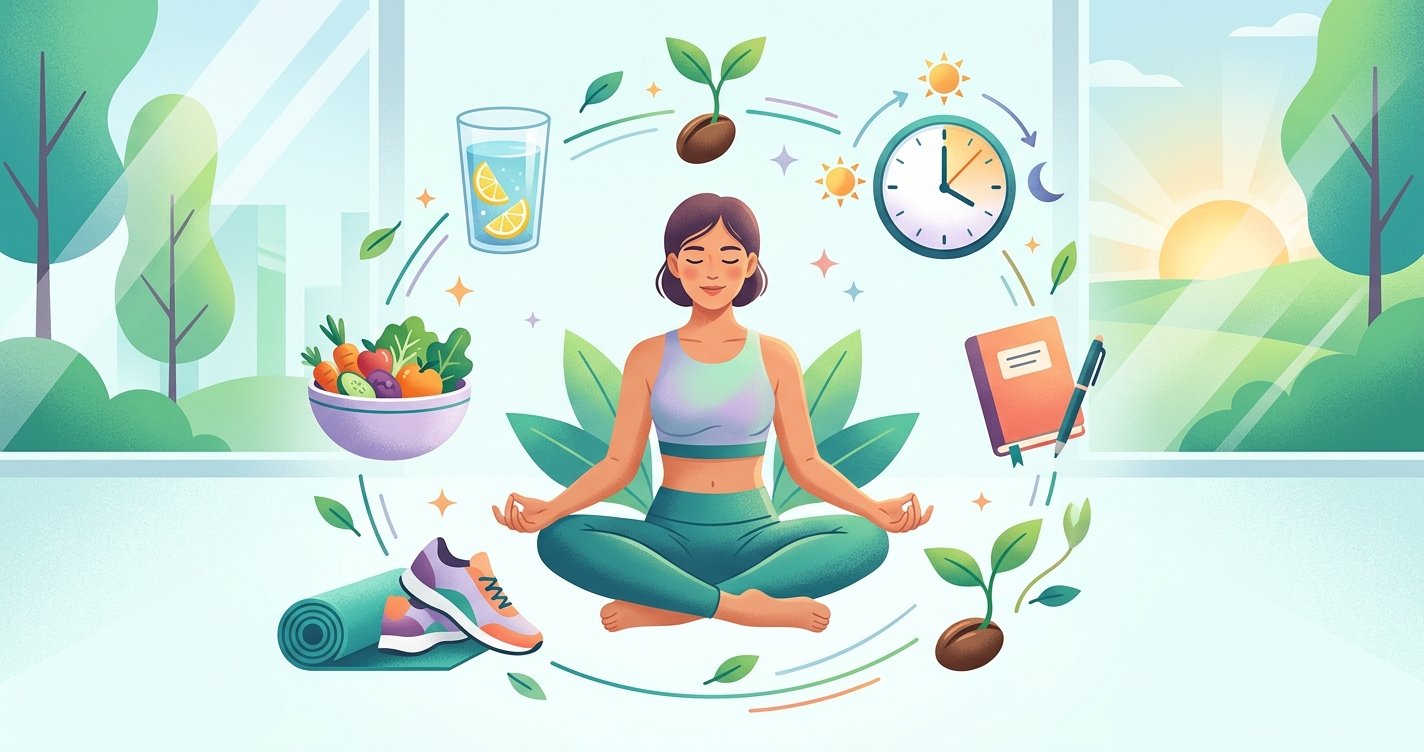
Beyond the Quick Fix: Building Sustainable Habits for Lasting Fat Loss
We've all been there – scrolling through social media, bombarded with promises of rapid fat loss, extreme diets, and 'miracle' solutions. The allure of shedding pounds quickly is powerful, and it's easy to fall prey to the idea that there's a shortcut to a healthier body. However, the truth is often less glamorous but far more effective: sustainable fat loss isn't about quick fixes; it's about building consistent, healthy habits that last a lifetime.
This isn't just about fitting into a smaller size; it's about improving your energy levels, boosting your mood, enhancing your overall health, and cultivating a positive relationship with your body. In this comprehensive guide, we'll dive deep into the evidence-based strategies for building sustainable habits that lead to lasting fat loss, transforming not just your body, but your entire lifestyle. this excellent wellness product
The Core Principle: Understanding the Energy Balance Equation
At its heart, fat loss boils down to one fundamental concept: the energy balance equation. To lose fat, you need to be in a calorie deficit, meaning you consume fewer calories than your body expends. Sounds simple, right? While the principle is straightforward, the execution often isn't.
Many quick-fix diets focus solely on drastically cutting calories, leading to rapid initial weight loss but often at the expense of muscle mass, nutrient deficiencies, and metabolic slowdown. This approach is rarely sustainable and often leads to the dreaded 'yo-yo effect' where lost weight is quickly regained, sometimes even more. Our goal is to create a moderate, sustainable calorie deficit by focusing on nutrient-dense foods and increased activity, ensuring your body is well-nourished while encouraging fat loss.
Fueling Your Journey: Smart Nutrition Strategies for Fat Loss
Nutrition is arguably the most critical pillar of sustainable fat loss. It's not about deprivation; it's about smart choices that fuel your body, keep you satisfied, and support your metabolism.
Protein Power: Your Best Friend for Satiety and Muscle Preservation
Research consistently shows that a higher protein intake is incredibly beneficial for fat loss. Protein helps you feel fuller for longer, reducing overall calorie intake. It also has a higher thermic effect of food (TEF), meaning your body burns more calories digesting protein than fats or carbs. Crucially, adequate protein helps preserve lean muscle mass during a calorie deficit, which is vital for maintaining a healthy metabolism.
- Aim for: Lean meats, poultry, fish, eggs, dairy (Greek yogurt, cottage cheese), legumes, tofu, tempeh, protein powder.
- Tip: Include a source of protein at every meal.
Fiber-Rich Foods: The Secret to Satiety and Gut Health
Fiber-rich foods are your allies in the battle against hunger. Found in fruits, vegetables, whole grains, and legumes, fiber adds bulk to your meals without adding many calories. It slows down digestion, stabilizes blood sugar levels, and promotes a healthy gut microbiome – all factors that contribute to sustainable fat loss and overall well-being.
- Aim for: A wide variety of colorful vegetables, berries, apples, oats, brown rice, quinoa, lentils, beans.
- Tip: Fill half your plate with non-starchy vegetables at lunch and dinner.
Healthy Fats: Essential for Hormones and Fullness
Don't fear fats! Healthy fats are crucial for hormone production, nutrient absorption, and satiety. While they are calorie-dense, incorporating moderate amounts of the right kinds of fats can prevent cravings and keep you feeling satisfied.
- Aim for: Avocados, nuts, seeds, olive oil, fatty fish (salmon, mackerel).
- Tip: Focus on whole food sources of healthy fats rather than processed snacks.
Hydration is Key: Don't Underestimate Water's Role
Often overlooked, water plays a vital role in fat loss. It helps with metabolism, nutrient transport, and can even help manage hunger cues (sometimes thirst is mistaken for hunger). Staying well-hydrated can also boost energy levels and improve exercise performance.
- Aim for: At least 8-10 glasses of water daily, more if you're active.
- Tip: Keep a water bottle handy throughout the day and add a squeeze of lemon or cucumber for flavor.
Moving Your Body: Exercise for More Than Just Calories Burned
While nutrition is paramount, incorporating regular physical activity significantly enhances fat loss and body recomposition. Exercise isn't just about burning calories; it's about building strength, improving cardiovascular health, boosting mood, and shaping your physique.
Strength Training: Your Metabolic Supercharger
Resistance training is arguably the most underrated component of a fat loss journey. Building muscle increases your resting metabolic rate (RMR), meaning you burn more calories at rest. It also helps preserve muscle mass during a calorie deficit, ensuring that the weight you lose is primarily fat, not muscle.
- Aim for: 2-4 strength training sessions per week, targeting all major muscle groups.
- Tip: Start with bodyweight exercises if new to lifting, or seek guidance from a qualified trainer.
Cardiovascular Exercise: Heart Health & Calorie Expenditure
Cardio, such as brisk walking, running, cycling, or swimming, is excellent for improving cardiovascular health and burning additional calories. The key is to find activities you genuinely enjoy so you can stick with them long-term.
- Aim for: 150-300 minutes of moderate-intensity cardio per week.
- Tip: Mix up your cardio – try interval training or different activities to keep things interesting.
NEAT: The Secret Weapon (Non-Exercise Activity Thermogenesis)
NEAT refers to the energy expended for everything we do that is not sleeping, eating, or sports-like exercise. This includes walking to work, taking the stairs, fidgeting, gardening, and even standing. Boosting your NEAT can significantly increase your daily calorie expenditure without feeling like a structured workout.
- Aim for: More movement throughout your day.
- Tip: Take the stairs, park further away, stand while working, go for short walks during breaks.
The Mind-Body Connection: Sleep, Stress, and Hormones
You can eat perfectly and train hard, but if you neglect sleep and stress management, your fat loss efforts will be severely hampered. These factors profoundly impact your hormones, which regulate everything from hunger to fat storage.
The Power of Sleep: A Non-Negotiable for Fat Loss
Lack of sleep disrupts hormones that control hunger (ghrelin increases, leptin decreases), leading to increased cravings, especially for high-calorie, sugary foods. It also elevates cortisol (the stress hormone), which can promote fat storage, particularly around the belly.
- Aim for: 7-9 hours of quality sleep per night.
- Tip: Establish a consistent sleep schedule, create a relaxing bedtime routine, and optimize your bedroom environment (dark, cool, quiet).
Mastering Stress: Taming the Cortisol Beast
Chronic stress keeps cortisol levels elevated, which, as mentioned, can hinder fat loss and encourage abdominal fat accumulation. Stress can also lead to emotional eating and a general lack of motivation for healthy habits.
- Aim for: Incorporate daily stress-reduction practices.
- Tip: Practice mindfulness, meditation, yoga, deep breathing, spend time in nature, or engage in hobbies you enjoy.
Cultivating a Sustainable Mindset: Patience, Consistency, and Self-Compassion
Perhaps the most crucial, yet often overlooked, aspect of lasting fat loss is developing the right mindset. This journey is not linear; there will be plateaus, setbacks, and moments of frustration. Your ability to navigate these challenges with resilience and self-compassion will determine your long-term success.
Setting Realistic Expectations: It's a Journey, Not a Race
Sustainable fat loss takes time. A healthy and realistic rate of fat loss is typically 1-2 pounds per week. Celebrating small victories and focusing on progress over perfection will keep you motivated.
Embracing Imperfection: Learning from Setbacks
No one is perfect. You will have days where you overeat or miss a workout. The key is how you respond. Don't let one 'slip-up' derail your entire journey. Acknowledge it, learn from it, and get back on track with your next meal or workout.
Mindful Eating: Listening to Your Body's Cues
Practice mindful eating by paying attention to your hunger and fullness signals. Eat slowly, savor your food, and notice how different foods make you feel. This helps build a healthier relationship with food and prevents mindless overeating.
Non-Scale Victories: More Than Just the Number on the Scale
The scale doesn't tell the whole story. Focus on non-scale victories like increased energy, improved sleep, better fitting clothes, enhanced strength, improved mood, and a clearer mind. These are often more indicative of true progress and better health.
Building Your Daily Toolkit: Actionable Habits for Success
Here are some practical habits you can start implementing today to build your sustainable fat loss toolkit:
- Meal Planning & Prepping: Dedicate time each week to plan your meals and prepare some components in advance. This saves time, reduces stress, and prevents impulsive unhealthy choices.
- Prioritize Protein at Every Meal: Make protein the cornerstone of your breakfast, lunch, and dinner to maximize satiety and muscle preservation.
- Hydrate Consistently: Make water your primary beverage. Keep a water bottle visible and refill it often.
- Move Your Body Daily: Find enjoyable ways to be active, whether it's a structured workout, a brisk walk, or simply taking the stairs.
- Optimize Your Sleep: Create a consistent sleep schedule and a calming bedtime routine.
- Practice Stress Management: Incorporate short bursts of meditation, deep breathing, or a relaxing hobby into your day.
- Track Progress (Beyond the Scale): Monitor your energy levels, strength gains, how your clothes fit, and your mood, not just the number on the scale.
Conclusion: Your Path to Lasting Health and Happiness
Sustainable fat loss isn't about deprivation or extreme measures; it's about making small, consistent, and evidence-based changes to your daily habits. It's a holistic journey that encompasses nutrition, exercise, sleep, stress management, and a compassionate mindset. By focusing on building these healthy habits, you're not just losing fat; you're investing in a lifetime of better health, increased energy, and a more fulfilling life. Embrace the process, be patient with yourself, and celebrate every step of your incredible transformation. Your journey to lasting well-being starts now!