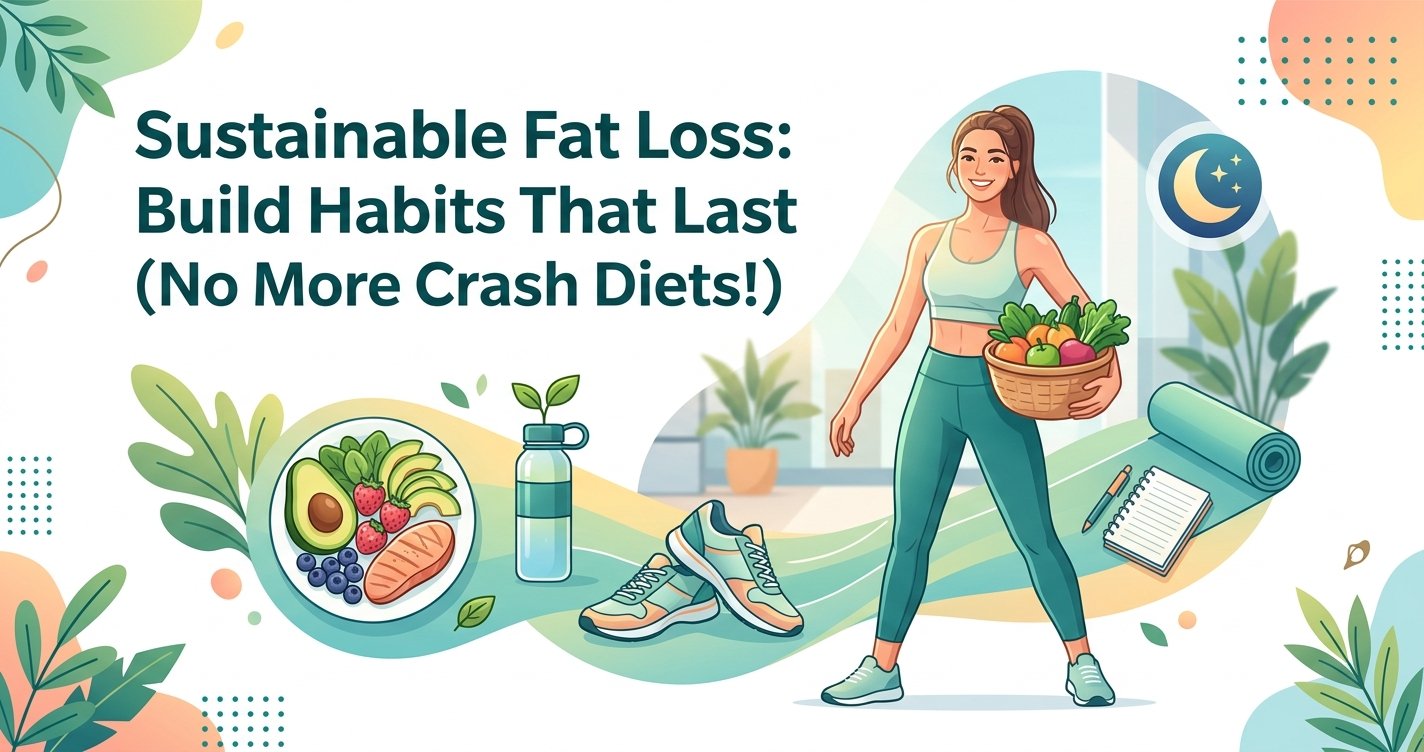
Are you tired of the endless cycle of crash diets, rapid weight loss, and an even faster rebound? You're not alone. In a world obsessed with quick fixes, the concept of sustainable fat loss often gets lost. But what if we told you there's a path to not just losing fat, but keeping it off for good? It's not about deprivation; it's about building healthy, lasting habits. This isn't just about fitting into a certain pair of jeans; it's about cultivating a healthier, more energetic you.
Many people embark on a fat loss journey with immense motivation, only to find themselves burnt out, frustrated, and back where they started. The truth is, our bodies are complex, and true, lasting change requires a holistic approach that goes beyond just counting calories. It involves understanding your body, fueling it properly, moving it effectively, and nurturing your mind. Let's dive into the evidence-based strategies that will empower you to achieve sustainable fat loss and enjoy the journey. this excellent wellness product
The Foundational Principle: Understanding Your Calorie Deficit
At its core, fat loss boils down to one fundamental principle: consuming fewer calories than your body expends. This creates a calorie deficit, forcing your body to tap into stored fat for energy. However, simply slashing calories drastically is often counterproductive, leading to muscle loss, nutrient deficiencies, and metabolic slowdown.
- Realistic Deficit: Aim for a moderate deficit of 300-500 calories per day. This allows for steady, sustainable fat loss (typically 1-2 pounds per week) without feeling overly deprived or jeopardizing your metabolism.
- Calculating Your Needs: Tools like online TDEE (Total Daily Energy Expenditure) calculators can provide an estimate of your maintenance calories. Remember, these are estimates, and personal adjustments will be necessary.
- Consistency is Key: It's not about perfect days, but consistent effort over weeks and months. Don't let one 'off' meal derail your entire week.
Fueling Your Body for Fat Loss: Nutrition That Satisfies
Nutrition is arguably the most critical component of sustainable fat loss. It’s not just about eating less; it’s about eating smarter and prioritizing nutrient-dense foods that keep you full and energized.
Prioritize Protein: Your Satiety Superpower
Protein is your best friend when it comes to fat loss. It's highly satiating, meaning it keeps you feeling fuller for longer, reducing the urge to snack. More importantly, protein helps preserve lean muscle mass during a calorie deficit, which is crucial for maintaining a healthy metabolism.
- Sources: Lean meats (chicken, turkey, beef), fish, eggs, dairy (Greek yogurt, cottage cheese), legumes, tofu, and protein powder.
- Intake: Aim for 0.7-1 gram of protein per pound of body weight (or 1.6-2.2g/kg). Spread your protein intake throughout the day across all meals and snacks.
Smart Carbs & Healthy Fats: Energy and Essential Functions
Don't fall for the myth that all carbs and fats are bad. They are essential for energy, hormone production, and nutrient absorption.
- Complex Carbohydrates: Opt for whole grains, fruits, and vegetables. These provide sustained energy, fiber, and vital micronutrients. They prevent energy crashes and cravings.
- Healthy Fats: Include sources like avocados, nuts, seeds, olive oil, and fatty fish. These are crucial for hormone regulation, satiety, and overall health. They also make food taste better, which is vital for adherence!
Fiber for Fullness & Gut Health
Fiber-rich foods (fruits, vegetables, whole grains, legumes) are another secret weapon. They add bulk to your meals, promoting satiety, and are excellent for digestive health, which plays a role in overall well-being and metabolism.
The Power of Mindful Eating
Beyond what you eat, how you eat matters. Mindful eating involves paying attention to your body's hunger and fullness cues, savoring your food, and eating without distractions. This can prevent overeating and help you develop a healthier relationship with food.
Move Your Body, Boost Your Metabolism: Exercise for Results
While nutrition sets the stage for fat loss, exercise amplifies your results, improves body composition, and boosts overall health. It's not just about burning calories during your workout; it's about building a stronger, more efficient body.
Strength Training: The Fat-Burning Superpower
If you're serious about sustainable fat loss, strength training is non-negotiable. Building muscle increases your resting metabolic rate, meaning you burn more calories even at rest. It also sculpts your body, giving you a toned physique that often comes with fat loss.
- Frequency: Aim for 2-4 strength training sessions per week, targeting all major muscle groups.
- Focus: Compound movements (squats, deadlifts, presses, rows) are highly effective.
Cardio: Heart Health and Calorie Burn
Cardiovascular exercise is excellent for heart health, endurance, and burning additional calories. Both high-intensity interval training (HIIT) and steady-state cardio have their place.
- HIIT: Shorter, intense bursts followed by rest periods. Efficient for calorie burn and improving fitness.
- Steady-State: Longer, moderate-intensity sessions (e.g., brisk walking, jogging, cycling). Great for recovery and active calorie expenditure.
NEAT: The Unsung Hero of Daily Energy Expenditure
NEAT (Non-Exercise Activity Thermogenesis) refers to the calories burned through everyday activities that aren't formal exercise – walking, fidgeting, taking the stairs, cleaning. Increasing your NEAT can significantly contribute to your daily calorie expenditure without feeling like a strenuous workout.
- Steps: Aim for 8,000-10,000 steps daily.
- Active Choices: Park further away, take standing breaks, do light chores.
Beyond Diet & Exercise: Lifestyle Pillars for Lasting Change
Sustainable fat loss isn't just about what you eat and how you move; it's deeply intertwined with your overall lifestyle. Neglecting these areas can sabotage even the most diligent efforts.
The Power of Sleep: Hormones and Recovery
Poor sleep can wreak havoc on your fat loss efforts. It disrupts hunger-regulating hormones (ghrelin and leptin), leading to increased cravings and a larger appetite. It also affects insulin sensitivity and recovery from exercise.
- Aim: 7-9 hours of quality sleep per night.
- Improve Sleep: Create a consistent sleep schedule, optimize your bedroom environment, and limit screen time before bed.
Taming Stress: Cortisol and Cravings
Chronic stress elevates cortisol levels, a hormone that can promote fat storage (especially around the abdomen) and increase cravings for high-calorie comfort foods. Finding healthy ways to manage stress is crucial.
- Strategies: Meditation, yoga, deep breathing, spending time in nature, hobbies, social connection.
Hydration: Often Overlooked, Always Important
Drinking enough water is simple but vital. Water aids metabolism, helps with satiety (sometimes thirst is mistaken for hunger), and supports overall bodily functions. Aim for at least 8 glasses (around 2 liters) per day, more if you're active.
Building Habits That Stick: Consistency Over Perfection
The journey to sustainable fat loss is a marathon, not a sprint. It's about making small, consistent changes that you can maintain for life.
- Small, Sustainable Changes: Instead of a complete overhaul, pick one or two habits to focus on each week or month (e.g., add more protein to breakfast, walk 30 minutes daily).
- Track Progress (Beyond the Scale): The scale is just one metric. Also consider body measurements, how your clothes fit, energy levels, strength gains, and mood improvements.
- Patience and Self-Compassion: There will be ups and downs. Don't let a setback define your journey. Learn from it, adjust, and keep moving forward. Be kind to yourself!
Embrace the Journey to a Healthier, Happier You
Sustainable fat loss is about empowering yourself with knowledge and building a lifestyle that supports your health goals long-term. It's not about sacrificing joy or living in deprivation, but rather finding balance and nourishing your body and mind. By focusing on a realistic calorie deficit, prioritizing protein, incorporating smart carbs and healthy fats, embracing strength training, and optimizing your lifestyle, you're not just losing fat—you're building a foundation for a healthier, more vibrant future. Embrace the process, celebrate every small victory, and remember: consistency, not perfection, is the key to lasting success. Your sustainable transformation starts now!