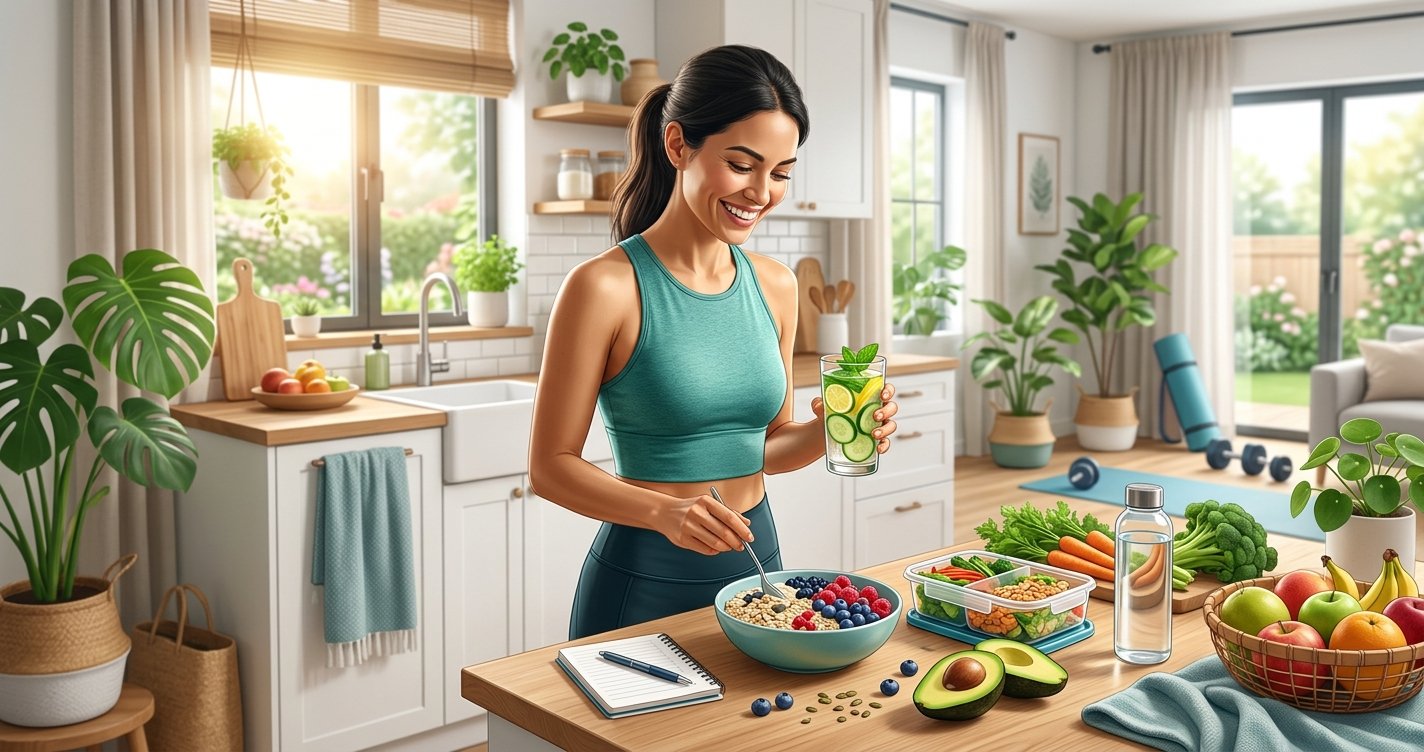
Are you tired of the endless diet merry-go-round? The cycle of restricting, losing a few pounds, only to gain them back (and sometimes more) once you 'fall off the wagon'? You're not alone. Millions of people struggle with fat loss because they're chasing quick fixes instead of building sustainable, life-long habits. But what if there was a way to achieve lasting fat loss, improve your health, and truly feel good in your own skin, without extreme deprivation or endless hours at the gym?
The good news is, there is! This isn't about the latest fad diet or a magic pill. It's about understanding your body, making informed choices, and gently integrating practices that support your well-being for the long haul. In this comprehensive guide, we'll dive deep into evidence-based strategies for sustainable fat loss, focusing on habits you can realistically maintain, enjoy, and that will lead to a healthier, happier you, permanently. this excellent wellness product
The Foundation: Why Sustainability Matters More Than Speed
Many fat loss journeys begin with a burst of enthusiasm, fueled by the promise of rapid results. While crash diets or extreme exercise routines might offer initial quick wins, studies consistently show they are rarely sustainable. Why?
- Metabolic Adaptation: Severe calorie restriction can slow down your metabolism, making it harder to lose weight and easier to regain it once you stop dieting. Your body thinks it's starving and tries to conserve energy.
- Hormonal Imbalance: Extreme diets can disrupt hunger-regulating hormones like leptin and ghrelin, leading to increased cravings and a feeling of constant hunger.
- Psychological Burnout: The mental and emotional toll of constant deprivation often leads to feelings of failure, guilt, and eventually, giving up. This 'yo-yo dieting' cycle is not only frustrating but can also be detrimental to your long-term health.
True, lasting fat loss is about fostering a lifestyle that nourishes your body and mind, making small, consistent changes that accumulate over time. Think of it less as a sprint and more as a joyful marathon where you're building resilience and strength along the way.
Fueling Your Body Smartly: Nutrition Habits for Lasting Results
When it comes to nutrition, the goal isn't perfection, but consistency and smart choices that you genuinely enjoy. Here's how to build sustainable eating habits:
Prioritize Whole, Unprocessed Foods
Think colorful fruits and vegetables, lean proteins, whole grains, and healthy fats. These foods are packed with nutrients, fiber, and water, which keep you feeling full and satisfied. They also provide sustained energy and support overall bodily functions. Research consistently links higher consumption of whole foods with better weight management and reduced risk of chronic diseases. Try to make these the bulk of your plate.
Master Portion Control, Don't Eliminate
You don't need to cut out entire food groups (unless medically necessary). Instead, focus on appropriate portion sizes. Use smaller plates, listen to your body's hunger and fullness cues, and practice mindful eating. Slowly savor your food, pay attention to its taste and texture, and put down your fork between bites. This helps your brain register satiety signals, preventing overeating.
Hydration: Your Unsung Hero
Often overlooked, adequate water intake is crucial for fat loss. Water helps your metabolism function optimally, can reduce feelings of hunger (sometimes thirst is mistaken for hunger), and aids in nutrient transport and waste removal. Aim for at least 8 glasses (around 2 liters) a day, and more if you're active or in a hot climate.
Protein Power: Satiety and Muscle Preservation
Including a good source of lean protein at each meal is a game-changer. Protein is the most satiating macronutrient, meaning it keeps you feeling fuller for longer, which can naturally reduce overall calorie intake. Furthermore, it's essential for preserving muscle mass during fat loss, which is vital for maintaining a healthy metabolism. Think chicken breast, fish, eggs, tofu, lentils, and Greek yogurt.
Moving Your Body Joyfully: Exercise Habits You'll Stick With
Forget punishing workouts. The best exercise plan is one you actually enjoy and can consistently perform. Movement is about celebrating what your body can do, not about earning your food.
Find What You Love
Whether it's dancing, hiking, swimming, cycling, yoga, or team sports, find activities that genuinely make you feel good. When you enjoy your workouts, you're far more likely to stick with them long-term. Don't be afraid to experiment!
The Power Duo: Strength Training & Cardio
For optimal fat loss and overall health, a combination of strength training and cardiovascular exercise is highly effective. Strength training (using weights, resistance bands, or your own body weight) builds muscle, which boosts your metabolism even at rest. Cardio (like brisk walking, jogging, or cycling) improves heart health and burns calories. Aim for 2-3 strength sessions and 150-300 minutes of moderate-intensity cardio per week, as recommended by health organizations.
NEAT (Non-Exercise Activity Thermogenesis): Move More, Sit Less
Beyond structured workouts, increasing your everyday movement can significantly impact calorie expenditure. Take the stairs, walk or bike to nearby destinations, park further away, stand up and stretch regularly, or even pace while on the phone. These small bursts of activity throughout the day add up!
Beyond the Plate and Gym: Lifestyle Habits for Holistic Fat Loss
Fat loss isn't just about diet and exercise; it's intricately linked to your overall lifestyle. Overlooking these crucial elements can sabotage even the best efforts.
The Sleep-Fat Loss Connection
Lack of adequate sleep (less than 7-9 hours per night) can wreak havoc on your hormones. It increases ghrelin (the hunger hormone) and decreases leptin (the satiety hormone), leading to increased appetite and cravings, particularly for unhealthy foods. Poor sleep also elevates cortisol levels, which can promote belly fat storage. Prioritize consistent, quality sleep for better energy, mood, and fat loss results.
Stress Management: Taming Cortisol's Grip
Chronic stress, like poor sleep, can elevate cortisol levels. High cortisol can increase appetite, promote fat storage (especially around the abdomen), and make it harder to lose weight. Incorporate stress-reducing activities into your daily routine, such as meditation, deep breathing exercises, spending time in nature, journaling, or engaging in hobbies you love.
Mindful Eating: Listening to Your Body
Mindful eating involves paying full attention to your food—how it looks, smells, tastes, and feels—and to the signals your body sends about hunger and fullness. It's about eating without distraction, recognizing emotional triggers for eating, and making conscious choices. This practice helps you develop a healthier relationship with food and prevents mindless overconsumption.
Building Resilience: Overcoming Challenges and Staying Motivated
The journey to sustainable fat loss isn't linear. There will be good days and challenging days. The key is to build resilience and learn how to navigate setbacks without giving up.
Progress Over Perfection
Embrace the 80/20 rule: aim for consistency most of the time, but allow for flexibility. One 'off' meal or even an 'off' day doesn't derail your entire progress. Acknowledge it, learn from it, and get back on track with your next meal or activity. Self-compassion is crucial.
Track Your Journey (Smartly)
While the scale can be a data point, it doesn't tell the whole story. Consider tracking non-scale victories: how your clothes fit, your energy levels, strength gains, improved sleep, better mood, and measurements. Photos can also be powerful motivators, showing changes that the scale might not capture.
Seek Support and Accountability
You don't have to do this alone. Share your goals with a supportive friend or family member, join a fitness class, or consider working with a registered dietitian or certified personal trainer. Having a support system can provide encouragement, motivation, and valuable insights when you need them most.
Your Sustainable Journey Starts Now
Sustainable fat loss isn't about deprivation; it's about empowerment. It's about understanding your body, making informed choices, and building a collection of healthy habits that nourish you from the inside out. By focusing on whole foods, joyful movement, quality sleep, and stress management, you're not just losing weight; you're building a healthier, happier, and more resilient version of yourself.
Ditch the diet mentality and embrace a lifestyle of sustainable well-being. Start small, be patient, and celebrate every step of your journey. Your body will thank you, and the lasting results will be far more rewarding than any quick fix could ever offer.