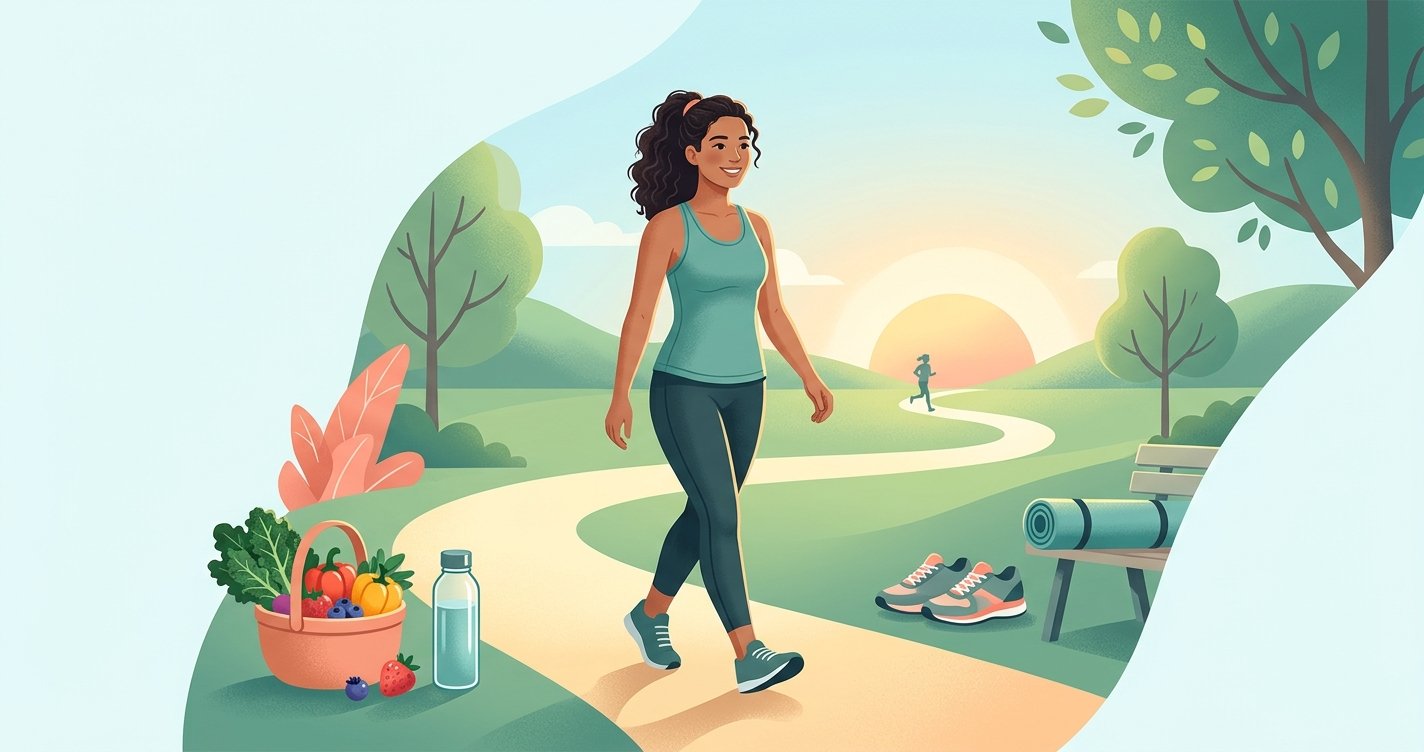
Beyond the Quick Fix: Building Sustainable Fat Loss Habits for Life
Feeling stuck in the endless cycle of diets that promise rapid results only to leave you right back where you started? You're not alone. The truth is, genuine, lasting fat loss isn't about extreme restrictions or grueling workout binges; it's about building sustainable habits that seamlessly integrate into your everyday life. Imagine a future where you feel confident, energetic, and in control, not because you're constantly fighting against your body, but because you've learned to nourish and move it in a way that feels natural and empowering. This isn't just a dream; it's an achievable reality when you shift your focus from temporary fixes to foundational, evidence-based habits. Let's explore how to make fat loss a sustainable journey, not just another fleeting destination.
The Core Principle: Understanding Your Energy Balance (Without Starvation!)
At its heart, fat loss boils down to a fundamental scientific principle: consistently consuming fewer calories than your body expends. This is known as creating a 'calorie deficit.' But here's the crucial part – a deficit doesn't mean starvation or misery! In fact, a moderate, well-managed deficit is far more effective and sustainable than drastic cuts that leave you feeling deprived and prone to rebound eating. Your body is incredibly adaptive, and severe calorie restriction can lead to metabolic slowdown, making future fat loss even harder. Instead, focus on a gentle deficit – typically 300-500 calories below your maintenance level – that your body can comfortably adapt to, allowing it to tap into stored fat for energy without feeling under siege. This approach supports consistent, healthy progress and helps preserve your lean muscle mass, which is vital for a healthy metabolism. this excellent wellness product
Fueling Your Body: Nutrition Habits for Lasting Results
Forget 'good' and 'bad' foods; let's talk about smart choices and mindful eating. Sustainable fat loss isn't about eliminating entire food groups, but rather prioritizing nutrient-dense options that keep you full, energized, and satisfied. Here are key habits to cultivate:
- Prioritize Protein: Protein is your best friend for fat loss. It's incredibly satiating, helping you feel fuller for longer, and it's essential for preserving muscle mass during a calorie deficit. Aim for a lean protein source at every meal – think chicken breast, fish, eggs, Greek yogurt, or plant-based options like lentils and tofu.
- Embrace Fiber-Rich Foods: Vegetables, fruits, and whole grains are packed with fiber, which aids digestion, stabilizes blood sugar, and contributes to satiety. Filling half your plate with non-starchy vegetables is a simple, effective habit.
- Hydrate Smart: Often overlooked, water plays a critical role. Drinking enough water can help with satiety, boost metabolism slightly, and ensure your body's systems are running optimally. Make it a habit to sip water throughout the day, especially before meals.
- Mindful Eating: Slow down. Pay attention to your body's hunger and fullness cues. Eating slowly, without distractions, allows your brain to register satiety, preventing overeating.
- Strategic Meal Planning: A little planning goes a long way. Preparing healthy meals or snacks in advance can prevent impulsive, less-healthy choices when hunger strikes. This doesn't mean you need to meal prep every single meal, but having a few go-to options ready can be a game-changer.
Moving with Purpose: Exercise Habits That Stick
Exercise isn't just about burning calories; it's about building strength, improving cardiovascular health, boosting mood, and shaping your body. The key to sustainable exercise is finding activities you genuinely enjoy and can stick with consistently.
- Strength Training is Non-Negotiable: While cardio is great for calorie burn and heart health, strength training is paramount for fat loss. Building and maintaining muscle mass not only makes you stronger but also boosts your resting metabolism, meaning you burn more calories even at rest. Aim for 2-3 full-body strength sessions per week, focusing on compound movements like squats, deadlifts, presses, and rows.
- Find Your Movement Joy: If you hate running, don't force yourself to run! Explore different activities – dancing, hiking, swimming, cycling, yoga, team sports. The best exercise is the one you'll actually do consistently.
- Incorporate Daily Movement (NEAT): Non-Exercise Activity Thermogenesis (NEAT) refers to the calories burned from everyday activities that aren't formal exercise. Think taking the stairs, parking further away, walking during phone calls, or doing chores. These small movements add up significantly and can make a big difference in your overall energy expenditure.
- Consistency Over Intensity: It's better to do moderate exercise consistently than to attempt intense workouts sporadically and burn out. Aim for progress, not perfection.
The Unsung Heroes: Sleep, Stress, and Hydration
You can eat perfectly and train hard, but if you neglect these three crucial pillars, your fat loss efforts will be significantly hampered. They are the silent saboteurs or powerful allies in your journey.
- Prioritize Quality Sleep: Lack of sleep wreaks havoc on your hormones. It increases cortisol (the stress hormone, which promotes fat storage, especially around the belly) and ghrelin (the hunger hormone) while decreasing leptin (the satiety hormone). Aim for 7-9 hours of quality sleep per night to keep your hormones balanced and your cravings in check.
- Manage Stress Effectively: Chronic stress, like sleep deprivation, elevates cortisol levels. Find healthy ways to manage stress: meditation, deep breathing, spending time in nature, hobbies, or connecting with loved ones. Reducing stress helps create a more favorable environment for fat loss.
- Stay Adequately Hydrated: We mentioned water for satiety, but it's also critical for every bodily function, including metabolism. Dehydration can make you feel sluggish, sometimes mistaken for hunger, and can impair your body's ability to burn fat efficiently. Keep a water bottle handy and sip throughout the day.
Mindset Matters: Cultivating a Sustainable Approach
Your mental approach to fat loss is just as important as your physical actions. This isn't just about changing your body; it's about transforming your relationship with yourself and your habits.
- Patience and Persistence: Fat loss is not linear. There will be plateaus and setbacks. Understand that this is normal. Focus on long-term consistency rather than instant gratification. Celebrate small victories along the way.
- Practice Self-Compassion: You are human. There will be days when you don't stick to your plan perfectly. Instead of self-criticism, practice self-compassion. Acknowledge the slip, learn from it, and get back on track without dwelling on it.
- Focus on Health, Not Just the Scale: While the scale can be a useful tool, it doesn't tell the whole story. Pay attention to how your clothes fit, your energy levels, your strength gains, and your overall mood. These non-scale victories are powerful indicators of progress and health.
- Build Habits, Not Rules: Rules often lead to feelings of deprivation and rebellion. Habits, on the other hand, become second nature. Focus on integrating small, positive actions into your daily routine until they become effortless.
Tracking Your Progress: Beyond Just the Scale
While the scale offers one data point, it rarely tells the full, nuanced story of your fat loss journey. Water retention, muscle gain (which is denser than fat), and hormonal fluctuations can all obscure true progress. To get a more comprehensive and motivating picture, incorporate a few other tracking methods:
- Body Measurements: Take measurements of your waist, hips, thighs, and arms every 2-4 weeks. Losing inches, even if the scale hasn't budged, indicates fat loss and body recomposition.
- Progress Photos: Take photos (front, side, back) in the same clothing and lighting every 4-6 weeks. These visual comparisons can be incredibly motivating and often reveal changes that the scale or even measurements miss.
- How Your Clothes Fit: This is a powerful, everyday indicator. If your jeans are looser or you're dropping a size, that's undeniable progress!
- Energy Levels and Sleep Quality: As you nourish your body better and move more, you should notice an improvement in your energy throughout the day and the quality of your sleep.
- Strength and Endurance: Are you lifting heavier? Can you walk further without getting tired? Are your workouts feeling easier? These performance improvements are direct results of your healthy habits.
By combining these different tracking methods, you’ll gain a more holistic and encouraging view of your success, keeping you motivated even when the scale seems stubborn.
Your Sustainable Fat Loss Journey Starts Now
The journey to sustainable fat loss isn't about perfection; it's about consistency, patience, and making small, manageable changes that compound over time. By focusing on evidence-based nutrition, purposeful movement, adequate rest, and a positive mindset, you're not just losing weight – you're building a healthier, stronger, and more vibrant version of yourself. Forget the quick fixes and embrace the power of lasting habits. Start small, be kind to yourself, and trust the process. Your body and mind will thank you for it.