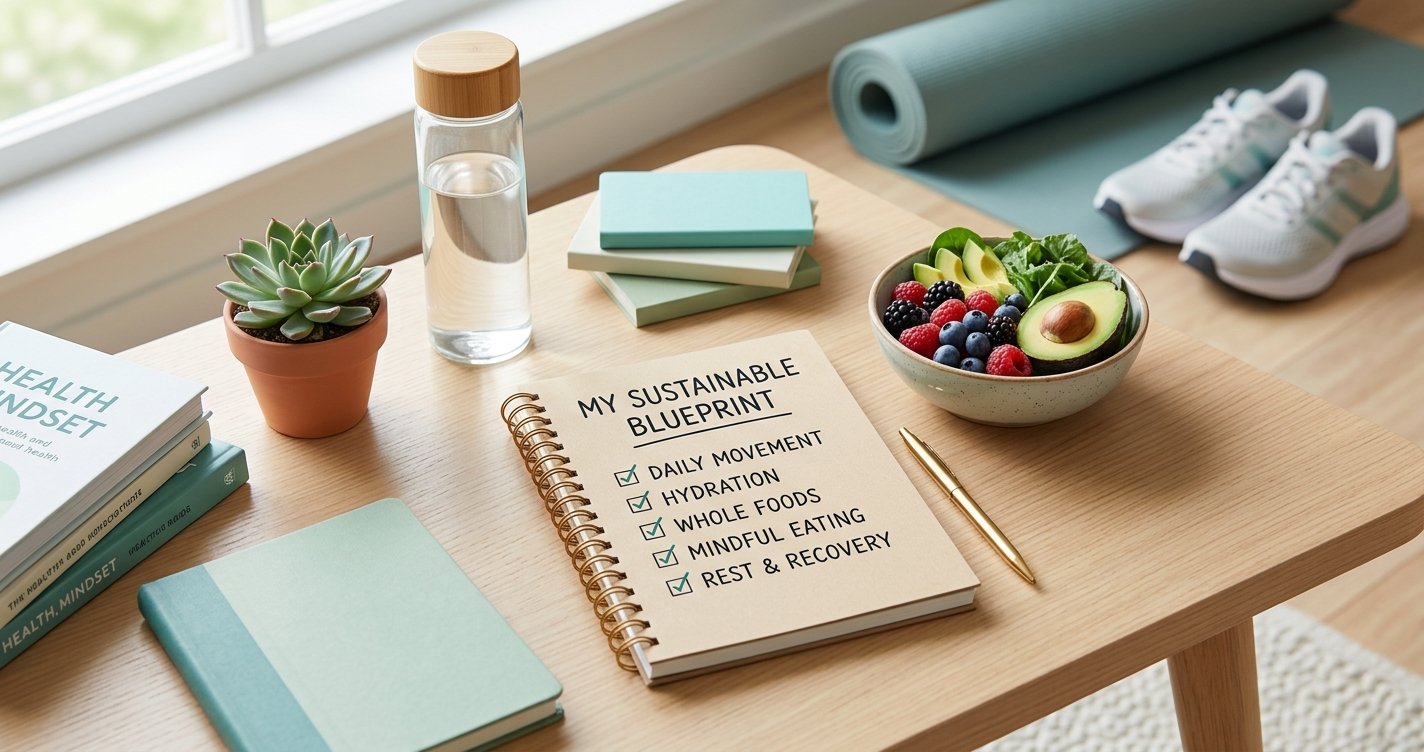
Tired of the Yo-Yo Diet Cycle? Let's Build Lasting Fat Loss Habits!
You've tried the crash diets, the extreme cleanses, and the "lose weight fast" fads. You might even see initial results, only to find the weight creeping back, often bringing a few extra pounds with it. Sound familiar? You're not alone. The journey to fat loss can feel frustrating and overwhelming when focusing solely on quick fixes.
But what if there was a different way? A path that focuses not on deprivation, but on building sustainable habits that support your body, boost your metabolism, and lead to lasting change? This isn't about perfection; it's about consistency, understanding your body, and cultivating a healthier relationship with food and movement. Get ready to discover the blueprint for sustainable fat loss that truly lasts. this excellent wellness product
1. Understanding the Core Principle: The Calorie Deficit (Without Obsession)
At its heart, fat loss comes down to one fundamental principle: consuming fewer calories than your body expends. This is known as a calorie deficit. When your body doesn't get enough energy from food, it turns to its stored energy reserves – your fat – to make up the difference.
What is a Calorie Deficit?
Imagine your body as a car. Food is the fuel. If you put less fuel in than you burn driving around, your car will eventually run out. Similarly, if you consistently eat slightly less than your body needs to maintain its current weight, you will lose fat. It’s simple physics!
Why "Without Obsession"?
While the calorie deficit is foundational, it's crucial not to let it become an obsession. Constantly tracking every single calorie can be exhausting and unsustainable. Instead, think of it as a guiding principle. You can achieve a calorie deficit through mindful eating, understanding portion sizes, choosing nutrient-dense foods, and increasing your activity levels, without needing to log every morsel. The goal is to create a slight, consistent deficit that your body can comfortably adapt to, rather than a drastic cut that leaves you feeling starved and deprived.
2. Fueling Your Body Smart: Nutrition Strategies for Lasting Results
Nutrition plays a starring role in sustainable fat loss. It's not just about eating less, but about eating smarter – choosing foods that nourish your body, keep you feeling full, and support your metabolism.
The Power of Protein
If there's one nutrient to prioritize for fat loss, it's protein. Here's why:
- Satiety: Protein is incredibly filling, helping you feel satisfied for longer and reducing the urge to snack unnecessarily.
- Muscle Preservation: When you're in a calorie deficit, your body can sometimes break down muscle tissue for energy. Adequate protein intake helps protect your hard-earned muscle, which is metabolically active and crucial for a healthy metabolism.
- Thermic Effect of Food (TEF): Your body uses more energy to digest and metabolize protein compared to carbs or fats. This means you burn a few extra calories just by eating it!
Aim to include a good source of lean protein with every meal: chicken, turkey, fish, eggs, Greek yogurt, cottage cheese, tofu, lentils, and beans are excellent choices.
Embrace Complex Carbs and Healthy Fats
Carbohydrates and fats have gotten a bad rap in some diet cultures, but they are essential for your health and energy. The key is choosing the right kinds:
- Complex Carbohydrates: These are your body's preferred energy source. Opt for whole grains (oats, brown rice, quinoa), fruits, and vegetables. They provide sustained energy, fiber, and vital micronutrients. Avoid highly processed, sugary carbs that cause blood sugar spikes and crashes.
- Healthy Fats: Fats are crucial for hormone production, nutrient absorption, and satiety. Include sources like avocados, nuts, seeds, olive oil, and fatty fish (salmon). They are calorie-dense, so portion control is important, but don't cut them out!
Hydration is Key
Often overlooked, water is critical for fat loss. It helps with metabolism, can reduce hunger pangs (sometimes thirst is mistaken for hunger), and supports overall bodily functions. Aim for at least 8 glasses of water a day, more if you're active.
The Role of Fiber
Found abundantly in fruits, vegetables, and whole grains, fiber is a fat loss ally. It adds bulk to your meals, making you feel fuller, aids digestion, and helps regulate blood sugar levels, preventing those energy crashes that lead to cravings.
3. Move Your Body: Exercise for More Than Just Burning Calories
While nutrition creates the deficit, exercise amplifies your results and offers incredible health benefits beyond just burning calories. It's about building strength, boosting your metabolism, and improving your overall well-being.
Strength Training: Your Fat Loss Superpower
If you're not already lifting weights, now's the time to start! Strength training is arguably the most impactful form of exercise for sustainable fat loss. Here's why:
- Builds Muscle: Muscle tissue is metabolically active, meaning it burns more calories at rest than fat tissue. The more muscle you have, the higher your resting metabolism.
- Shapes Your Body: Beyond the scale, strength training helps sculpt your physique, giving you a leaner, more toned appearance.
- Boosts Metabolism Post-Workout: The "afterburn effect" (EPOC – Excess Post-exercise Oxygen Consumption) means your body continues to burn extra calories for hours after a strength training session as it recovers.
Aim for 2-4 strength training sessions per week, targeting all major muscle groups.
Cardio: Heart Health and Calorie Burn
Cardiovascular exercise is excellent for heart health, endurance, and can certainly contribute to your calorie deficit. There are different types to consider:
- High-Intensity Interval Training (HIIT): Short bursts of intense exercise followed by brief recovery periods. Efficient for calorie burn and can boost metabolism.
- Low-Intensity Steady State (LISS): Activities like brisk walking, jogging, or cycling at a moderate pace. Great for active recovery and overall fitness.
Find what you enjoy and incorporate it regularly. Whether it's dancing, hiking, swimming, or cycling, consistent movement is what matters most.
Finding Movement You Enjoy
The best exercise is the one you'll actually do consistently. Don't force yourself into activities you dread. Explore different options until you find something that brings you joy. Consistency trumps intensity every single time.
4. Beyond Diet and Exercise: The Unsung Heroes of Sustainable Fat Loss
Fat loss isn't just about what you eat and how you move. Several other lifestyle factors play a huge, often underestimated, role in your success.
Prioritize Sleep
In our fast-paced world, sleep is often the first thing to be sacrificed. But skimping on sleep can sabotage your fat loss efforts:
- Hormone Regulation: Lack of sleep disrupts hunger-regulating hormones – ghrelin (which makes you feel hungry) increases, and leptin (which makes you feel full) decreases. This leads to increased cravings, especially for sugary and high-fat foods.
- Cortisol Levels: Poor sleep elevates cortisol, the stress hormone, which can promote fat storage, particularly around the belly.
- Energy Levels: When you're tired, you're less likely to have the energy for workouts and more likely to make poor food choices.
Aim for 7-9 hours of quality sleep per night.
Manage Stress Effectively
Chronic stress, like poor sleep, leads to elevated cortisol levels. This not only encourages fat storage but can also trigger emotional eating. Finding healthy ways to manage stress is vital:
- Practice mindfulness or meditation.
- Engage in hobbies you love.
- Spend time in nature.
- Connect with loved ones.
- Consider journaling.
Learning to identify and cope with stress without turning to food is a powerful tool for sustainable fat loss.
The Power of Consistency (Not Perfection)
Sustainable fat loss is a marathon, not a sprint. There will be days when you don't eat perfectly or miss a workout. That's okay! The key is to get back on track with your next meal or workout, rather than letting one slip-up derail your entire journey. Small, consistent efforts over time yield far greater results than short bursts of extreme perfection.
5. Cultivating a Winning Mindset: Your Long-Term Ally
Your mental approach to fat loss is just as important as your physical actions. A positive, patient, and compassionate mindset will be your greatest asset.
Shift Your Focus: Health Over Weight
Instead of fixating solely on the number on the scale, shift your focus to overall health and well-being. Celebrate non-scale victories: improved energy, better sleep, stronger lifts, clothes fitting better, a clearer mind, and increased confidence. These are often more motivating and sustainable than just a fluctuating number.
Set Realistic Goals
Sustainable fat loss typically occurs at a pace of 1-2 pounds per week. Aim for achievable goals that fit into your lifestyle. Rapid weight loss is often unsustainable and can lead to muscle loss and nutrient deficiencies. Be patient with yourself and trust the process.
Build a Support System
You don't have to do this alone. Share your goals with supportive friends or family. Consider joining an online community or working with a coach or dietitian. Having people who encourage you and hold you accountable can make a significant difference.
Your Journey to Sustainable Fat Loss Starts Now!
Sustainable fat loss isn't about chasing the latest fad; it's about building a foundation of healthy habits that support your body and mind for the long haul. By focusing on a smart calorie deficit, nourishing your body with quality foods, incorporating consistent movement, prioritizing sleep and stress management, and cultivating a positive mindset, you're not just losing weight – you're transforming your lifestyle.
Remember, this is a journey of self-improvement and self-care. Be patient, be kind to yourself, and celebrate every step of your progress. Choose one habit to start with today, and watch as these small, consistent changes lead to the lasting fat loss and vibrant health you deserve. You've got this!