Tired of the endless cycle of crash diets, rapid weight loss, and inevitable rebound? You're not alone. Many people embark on a fat loss journey with enthusiasm, only to find themselves frustrated by unsustainable methods and fleeting results. If you're ready to ditch the quick fixes and embrace a path that truly works, you've come to the right place.
This guide isn't about deprivation or extreme measures. It's about understanding the science of your body and building sustainable, healthy habits that lead to lasting fat loss, improved energy, and a stronger, healthier you. We'll explore evidence-based strategies that focus on long-term well-being, not just a number on the scale. Get ready to transform your approach to fat loss and create a lifestyle you can genuinely maintain! this excellent wellness product
Beyond the Crash Diet: Why Sustainability Matters
The allure of rapid weight loss can be incredibly strong. Promises of shedding pounds in mere weeks often lead people down the path of severely restrictive diets, extreme calorie deficits, or cutting out entire food groups. While these methods might yield initial results, they often come with a heavy price:
- Metabolic Adaptation: Your body is smart. When faced with extreme calorie restriction, it adapts by slowing down your metabolism to conserve energy, making further fat loss harder.
- Nutrient Deficiencies: Restrictive diets can deprive your body of essential vitamins, minerals, and macronutrients, leading to fatigue, poor immune function, and other health issues.
- Muscle Loss: Without adequate protein and resistance training, rapid weight loss often includes a significant amount of muscle loss, which further slows your metabolism.
- Rebound Weight Gain: The unsustainability of crash diets makes them impossible to maintain long-term. Once you return to a more 'normal' eating pattern, the weight often comes back, sometimes with extra.
- Negative Relationship with Food: Restrictive eating can foster feelings of guilt, shame, and a disordered relationship with food.
True, sustainable fat loss is about making gradual, manageable changes that you can integrate into your everyday life indefinitely. It's a marathon, not a sprint, and the rewards are well worth the patience.
The Foundation: Understanding Your Calorie Deficit (Without Starving!)
At its core, fat loss boils down to one fundamental principle: consuming fewer calories than your body burns. This is known as a calorie deficit. However, a sustainable calorie deficit is vastly different from a starvation diet.
Your body burns calories through basic metabolic functions (breathing, circulation), physical activity, and digesting food. This total is your Total Daily Energy Expenditure (TDEE). To lose fat, you need to eat consistently below your TDEE.
- Moderate Deficit is Key: Aim for a deficit of 300-500 calories below your TDEE. This allows for steady fat loss (typically 1-2 pounds per week) without triggering extreme metabolic slowdown or intense hunger.
- Estimate Your TDEE: Many reliable online calculators can give you a good starting estimate based on your age, sex, weight, height, and activity level. Remember, these are estimates, and you'll need to adjust based on your progress.
- Focus on Nutrient Density: A calorie isn't just a calorie. 500 calories of whole, unprocessed foods (lean protein, vegetables, fruits) will leave you feeling much more satisfied and provide more essential nutrients than 500 calories of highly processed junk food.
The goal is to create a deficit that is just large enough to stimulate fat loss, but small enough to be manageable, keep your energy levels stable, and provide your body with the fuel it needs to thrive.
Fueling Your Body: Nutrition Habits for Lasting Change
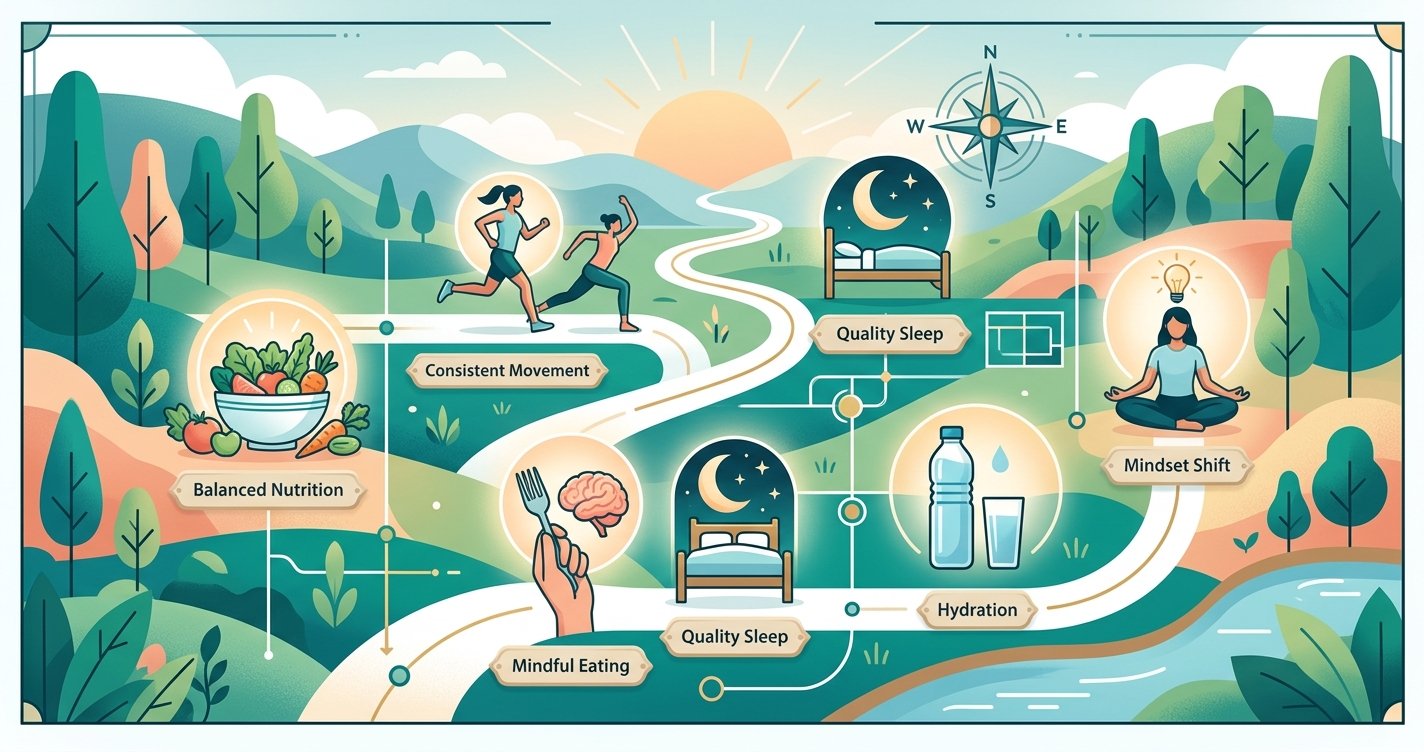
Your plate is your most powerful tool in the fat loss journey. Focusing on these nutrition habits will make your calorie deficit feel effortless and keep you nourished.
Prioritize Protein
Protein is the king of macronutrients for fat loss. It's incredibly satiating, meaning it helps you feel full for longer, reducing overall calorie intake. Furthermore, protein is crucial for preserving lean muscle mass during a calorie deficit, which helps keep your metabolism humming. Aim for 0.7-1 gram of protein per pound of body weight. Excellent sources include lean meats, poultry, fish, eggs, dairy, legumes, and tofu.
Embrace Whole Foods
Shift your focus from processed, packaged foods to whole, unprocessed options. Vegetables, fruits, whole grains, and lean proteins are packed with fiber, vitamins, and minerals. Fiber, in particular, aids digestion, promotes satiety, and helps regulate blood sugar levels, preventing energy crashes and cravings.
Smart Carb and Fat Choices
Don't fear carbohydrates or fats! They are essential for energy, hormone regulation, and nutrient absorption. Focus on complex carbohydrates like oats, brown rice, quinoa, and sweet potatoes, which provide sustained energy. Choose healthy fats from sources like avocados, nuts, seeds, and olive oil, which are crucial for hormone health and satiety in moderation.
Hydration is Key
Often overlooked, adequate water intake plays a vital role in fat loss. Water can help you feel fuller, boost metabolism slightly, and is essential for all bodily functions. Aim for at least 8-10 glasses of water a day, and consider drinking a glass before meals to aid satiety.
Mindful Eating
Slow down and pay attention to your body's hunger and fullness cues. Eat without distractions, savor your food, and stop when you're comfortably full, not stuffed. This practice helps you truly enjoy your meals and prevents overeating.
Moving Your Body: Exercise Strategies for Fat Loss and Fitness
While nutrition is paramount, exercise is your powerful ally in accelerating fat loss, building a resilient body, and boosting your overall well-being.
Strength Training is Your Secret Weapon
Forget the myth that strength training is just for bodybuilders. Lifting weights (or using your body weight) is incredibly effective for fat loss. Muscle tissue is metabolically active, meaning it burns more calories at rest than fat tissue. Building muscle not only sculpts your physique but also boosts your resting metabolism, making it easier to maintain a calorie deficit. Aim for 2-4 strength training sessions per week, focusing on compound movements that work multiple muscle groups.
Incorporate Cardio (Smartly)
Cardiovascular exercise is excellent for heart health, endurance, and burning extra calories. However, you don't need to spend hours on the treadmill. Incorporate a mix of moderate-intensity cardio (like brisk walking, jogging, cycling) and perhaps some high-intensity interval training (HIIT) if appropriate for your fitness level. HIIT can be very time-efficient and effective for calorie expenditure and improving fitness.
Boost NEAT (Non-Exercise Activity Thermogenesis)
NEAT refers to the calories you burn through everyday movements not classified as formal exercise. Think walking, fidgeting, taking the stairs, gardening, cleaning. These small movements add up significantly over the day and can contribute substantially to your total calorie expenditure. Look for opportunities to move more throughout your day!
The Unsung Heroes: Sleep, Stress, and Mindset
Fat loss isn't just about what you eat and how you move; it's deeply intertwined with your overall lifestyle. Neglecting these crucial elements can sabotage even the best diet and exercise plans.
The Power of Sleep
Lack of sleep can wreak havoc on your hormones, specifically ghrelin (the hunger hormone) and leptin (the satiety hormone). When you're sleep-deprived, ghrelin levels rise, making you feel hungrier, while leptin levels drop, meaning you don't feel full. This can lead to increased cravings for high-calorie, processed foods. Aim for 7-9 hours of quality sleep per night to support optimal hormone balance and recovery.
Master Your Stress
Chronic stress triggers the release of cortisol, a hormone that, in excess, can promote fat storage, particularly around the abdominal area. Stress can also lead to emotional eating as a coping mechanism. Incorporate stress-reducing practices into your daily routine, such as meditation, yoga, deep breathing exercises, spending time in nature, or engaging in hobbies you enjoy.
Cultivate a Growth Mindset
Your mental approach is critical. Fat loss is a journey with ups and downs. Embrace patience, self-compassion, and focus on progress, not perfection. Celebrate non-scale victories like increased energy, improved strength, better sleep, or clothes fitting better. Understand that setbacks are part of the process, and what matters is how you recover and continue moving forward.
Building Your Sustainable Routine: Consistency Over Perfection
The key to sustainable fat loss lies in building a routine that fits your life, not forcing your life to fit an extreme routine. Here's how to make it stick:
- Start Small, Build Gradually: Don't try to overhaul everything at once. Pick one or two habits to focus on each week or month. For example, start by adding more protein to your breakfast, then gradually incorporate regular walks.
- Track and Adjust: Keep a journal or use an app to track your food intake, exercise, sleep, and even mood. This provides valuable data to understand what's working and where you might need to make adjustments. Don't just track weight; track energy levels, measurements, and performance in the gym.
- Flexibility is Key: Life happens. There will be holidays, social events, and busy periods. Instead of viewing these as failures, plan for them. Enjoy treats in moderation, then get back on track with your healthy habits. Don't let one 'off' meal derail your entire week.
- Seek Support: Share your goals with a supportive friend, family member, or consider working with a certified coach or dietitian. Accountability and encouragement can make a huge difference.
Conclusion
Sustainable fat loss isn't about chasing a fleeting ideal; it's about investing in your long-term health, energy, and happiness. By focusing on a moderate calorie deficit, prioritizing nutrient-dense whole foods, incorporating effective exercise (especially strength training), and optimizing your sleep and stress management, you're building a foundation for success that goes far beyond the scale.
Remember, this is your journey, and it's unique to you. Be patient, be consistent, and most importantly, be kind to yourself. Embrace the process of building healthy habits, and you'll not only achieve your fat loss goals but also cultivate a lifestyle that supports a vibrant, energetic, and fulfilling life for years to come. You've got this!