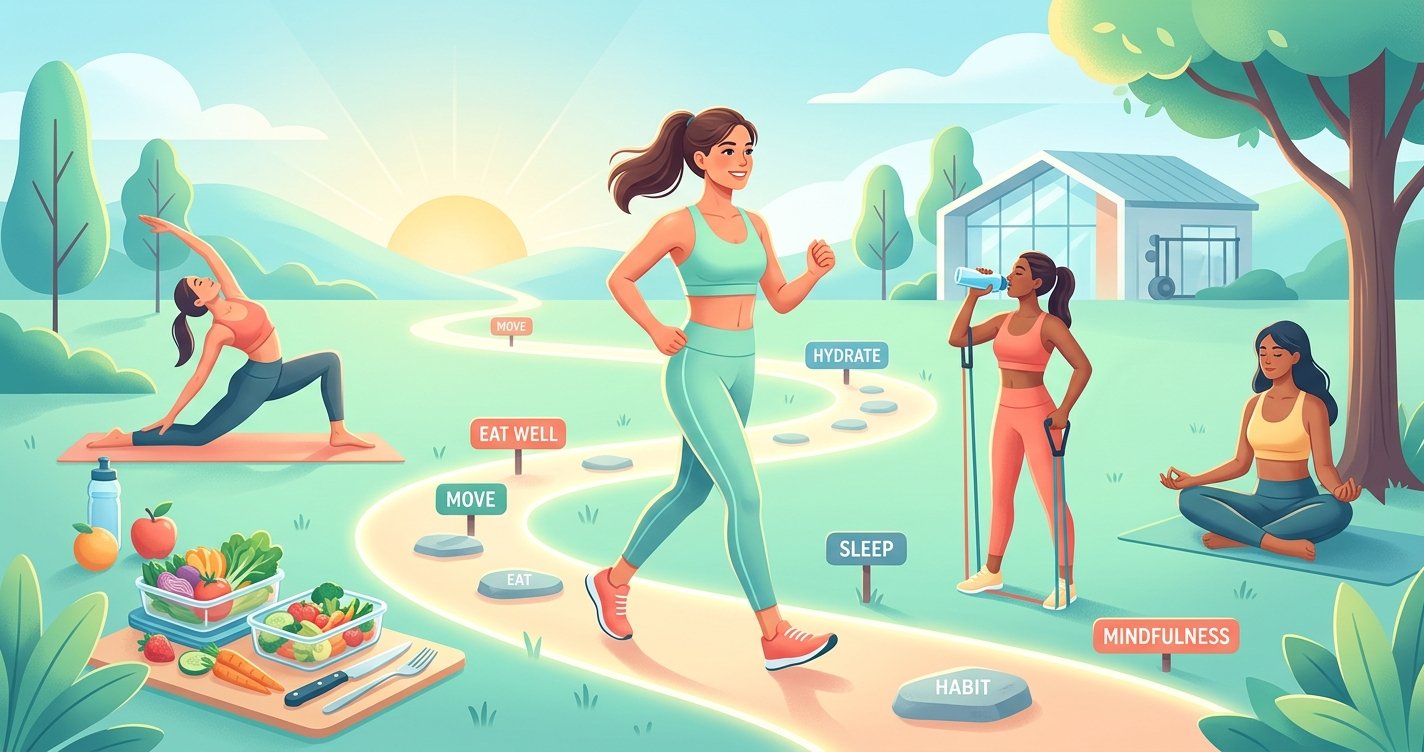
Unlock Sustainable Fat Loss: Ditch Crash Diets, Build Habits That Last
Have you ever found yourself caught in the exhausting cycle of crash dieting? You restrict, you lose weight quickly, then you rebound, often gaining back more than you lost. It’s a frustrating, demoralizing loop that many people experience. The truth is, quick fixes rarely lead to lasting results, especially when it comes to fat loss. Sustainable fat loss isn’t about deprivation or extreme measures; it’s about building a foundation of healthy habits that you can maintain for life. This evidence-based guide will show you how to break free from the diet cycle and achieve the lasting change you deserve, focusing on practical, encouraging strategies.
Why Crash Diets Always Fail (and What to Do Instead)
The allure of rapid weight loss is strong, but crash diets come with a hefty price. They often lead to significant muscle loss, which slows your metabolism, making it harder to keep the weight off in the long run. Your body, sensing starvation, goes into “survival mode,” adapting by becoming more efficient at storing fat. This metabolic adaptation is a major reason for the notorious “yo-yo” effect. Beyond the physical toll, the psychological impact – constant hunger, irritability, and guilt – can lead to binge eating and a negative relationship with food. Instead of drastic cuts, our focus shifts to creating a moderate, consistent caloric deficit that allows for steady, healthy fat loss without sacrificing muscle or mental well-being. This gentle approach respects your body's physiology, fostering long-term success. this excellent wellness product
The Cornerstone: Smart Nutrition for Lasting Results
Nutrition is paramount for sustainable fat loss. It's not about eating less; it's about eating smarter.
Caloric Deficit, Not Deprivation
To lose fat, you need to consume fewer calories than you burn. However, this deficit should be moderate – typically 300-500 calories below your maintenance level. This allows for steady fat loss (around 1-2 pounds per week) without triggering extreme hunger or metabolic slowdown. Focus on nutrient-dense foods that provide satiety and essential vitamins and minerals.
Prioritize Protein for Satiety and Muscle Preservation
Protein is your best friend for fat loss. It’s highly satiating, meaning it keeps you feeling full longer, reducing the urge to snack. More importantly, adequate protein intake (aim for 0.7-1 gram per pound of body weight) helps preserve lean muscle mass during a caloric deficit. Muscle is metabolically active tissue, so maintaining it is crucial for a healthy metabolism. Incorporate lean meats, fish, eggs, dairy, legumes, and protein supplements.
Embrace Whole Foods: Fiber, Nutrients, Sustained Energy
Build your meals around whole, unprocessed foods. Fruits, vegetables, whole grains, and healthy fats provide essential fiber, vitamins, and minerals. Fiber is key for satiety and digestive health, while complex carbohydrates offer sustained energy without the blood sugar spikes and crashes associated with refined sugars. Healthy fats from sources like avocados, nuts, seeds, and olive oil are vital for hormone function and nutrient absorption, and they also contribute to satiety.
Hydration is Key
Often overlooked, proper hydration plays a significant role in fat loss. Drinking enough water can help you feel full, reduce cravings, and support metabolic processes. Sometimes, what feels like hunger is actually thirst. Aim for at least 8-10 glasses of water daily, and consider drinking a glass before meals.
Move Your Body: Exercise for Fat Loss and Beyond
While nutrition is the foundation, exercise is a powerful accelerator and enhancer for sustainable fat loss and overall health.
Strength Training is Your Superpower
If there’s one form of exercise you prioritize for fat loss, make it strength training. Building and maintaining muscle mass is critical. Muscle burns more calories at rest than fat, boosting your resting metabolic rate. It also helps with body recomposition – changing your body shape by increasing muscle and decreasing fat – leading to a leaner, more toned physique. Aim for 2-4 strength training sessions per week, targeting all major muscle groups.
Cardio for Health and Calorie Burn
Cardiovascular exercise complements strength training by increasing your daily calorie expenditure and improving heart health. You don’t need to spend hours on the treadmill. Incorporate a mix of steady-state cardio (like brisk walking, cycling, or swimming) and high-intensity interval training (HIIT). HIIT can be particularly effective for burning calories in a shorter amount of time and boosting post-exercise calorie burn (EPOC).
NEAT (Non-Exercise Activity Thermogenesis): Small Changes Add Up
Beyond structured workouts, increasing your NEAT can significantly impact your daily calorie burn. This includes all the movement you do outside of exercise, such as walking, fidgeting, taking the stairs, or doing household chores. Look for opportunities to move more throughout your day – park further away, take standing breaks, or go for a short walk during your lunch break. These seemingly small efforts accumulate over time.
The Unsung Heroes: Sleep, Stress, and Mindset
Sustainable fat loss isn't just about food and exercise; your mental and emotional well-being play a massive role.
Quality Sleep Matters
Lack of sleep can sabotage your fat loss efforts. Insufficient sleep disrupts hormones that regulate hunger (ghrelin increases, leptin decreases), leading to increased cravings for high-calorie foods. It also elevates cortisol, a stress hormone linked to fat storage, particularly around the midsection. Aim for 7-9 hours of quality sleep per night to optimize your body's fat-burning potential and recovery.
Stress Management: Taming the Cortisol Beast
Chronic stress, like lack of sleep, can lead to elevated cortisol levels. High cortisol can increase appetite, promote fat storage, and make it harder to lose weight. Find healthy ways to manage stress, such as meditation, yoga, spending time in nature, deep breathing exercises, or engaging in hobbies you enjoy. Prioritizing stress reduction is a powerful, yet often overlooked, component of sustainable fat loss.
Cultivating a Growth Mindset: Patience and Self-Compassion
The journey to sustainable fat loss requires patience and resilience. There will be good days and challenging days. Instead of viewing setbacks as failures, see them as learning opportunities. Celebrate small victories, focus on progress over perfection, and treat yourself with kindness. A positive, growth-oriented mindset will keep you motivated and committed to your long-term goals.
Tracking Progress & Adjusting Your Plan
The scale is just one metric, and it doesn't always tell the full story. For sustainable fat loss, look beyond just your weight.
- Body Measurements: Track changes in your waist, hips, and other areas.
- Progress Photos: Visual changes can be incredibly motivating and reveal body recomposition.
- How Clothes Fit: Notice if your clothes are looser, even if the scale hasn't moved much.
- Energy Levels & Strength: Are you feeling more energetic? Are your workouts getting easier or are you lifting heavier?
Consistency is key, but so is knowing when to adjust. If you hit a plateau for several weeks, it might be time to slightly tweak your caloric intake or change up your exercise routine. Small, informed adjustments are far more effective than drastic overhauls.
Building Sustainable Habits: Small Steps, Big Impact
The secret to lasting fat loss lies in the daily habits you build. Don't try to change everything at once. Focus on one or two small, actionable habits that you can consistently implement.
- Start with adding a serving of vegetables to one meal.
- Commit to a 15-minute walk daily.
- Swap one sugary drink for water.
Make these habits enjoyable and integrate them seamlessly into your life. Prepare for setbacks – they are part of any journey. The key is how you respond: learn from it, forgive yourself, and get back on track. Seek support from friends, family, or a coach to stay accountable and motivated.
Embrace the Journey to Lasting Change
Sustainable fat loss is not a sprint; it's a marathon built on consistency, patience, and self-compassion. By shifting your focus from quick fixes to building lasting, healthy habits around smart nutrition, effective exercise, quality sleep, and stress management, you empower yourself to achieve profound, long-term results. Remember, this is a journey of self-improvement and self-care, not punishment. Embrace the process, celebrate every step forward, and trust that you have the power to create a healthier, happier you that lasts.